Subscribe to Our Newsletter

This field is for validation purposes and should be left unchanged.
Name(Required)
Email(Required)
Address(Required)
Check all that apply:

  • Skip to main content
  • Skip to footer

NC Coalition for Alternatives to the Death Penalty

Committed to ending the death penalty and creating a new vision of justice

  • Who We Are
    • Mission & History
    • Our Values
    • People Most Proximate
    • Coalition Members
    • Staff, Board, & Advisory Council
    • Our Funders
  • What We Do
  • Why End the Death Penalty?
    • Column 1
      • Racism
      • Innocence
      • Intellectual Disability & Mental Illness
    • Column 2
      • Public Safety
      • High Cost of Death
      • Waning Support
    • Column 3
      • Lethal Injection
      • Antiquated Sentences
      • Unfair Trials
  • Events
  • The Pledge
  • Blog
  • Commutations Campaign
  • Get Involved
  • Donate

Search NC Coalition for Alternatives to the Death Penalty

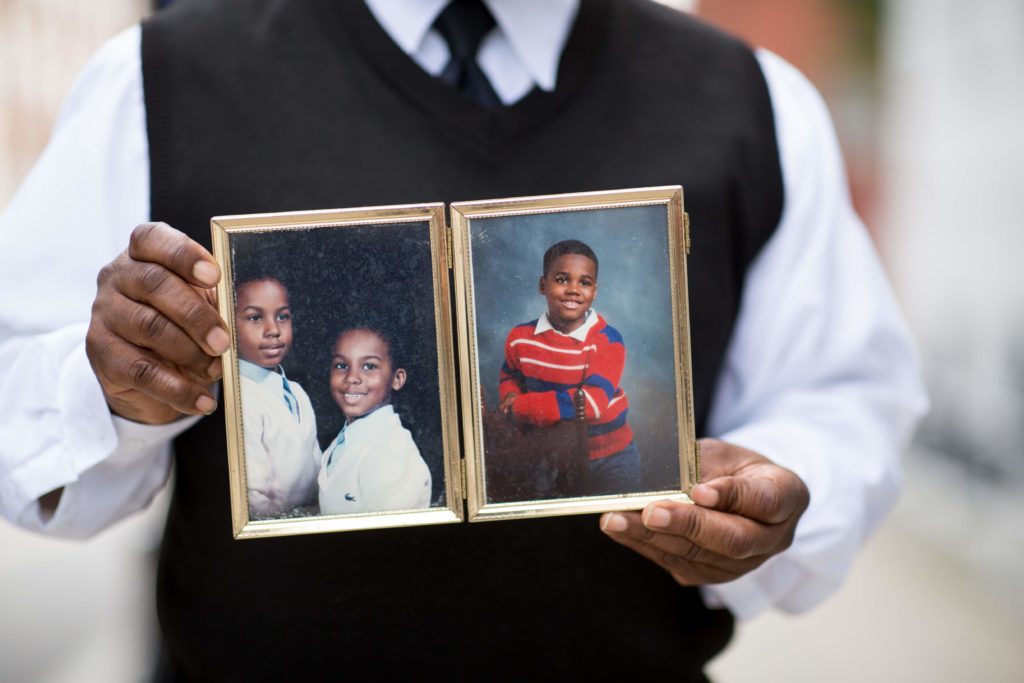
Tilmon & Kevin Golphin

Learn more: The death penalty is racist

Tilmon & Kevin Golphin as childr

In 1998, a jury was called to decide the fate of brothers Tilmon and Kevin Golphin, black teenagers who were accused of killing two white law enforcement officers during a traffic stop. Tilmon was 19 and Kevin was just 17 when the crime occurred, yet under the law at the time, both faced the death penalty.

The shooting happened in Fayetteville, but because of a media frenzy, the trial had to be moved. The judge chose Johnston County, a heavily white, conservative county that for many years welcomed visitors with a sign advertising it as the home of the Ku Klux Klan.
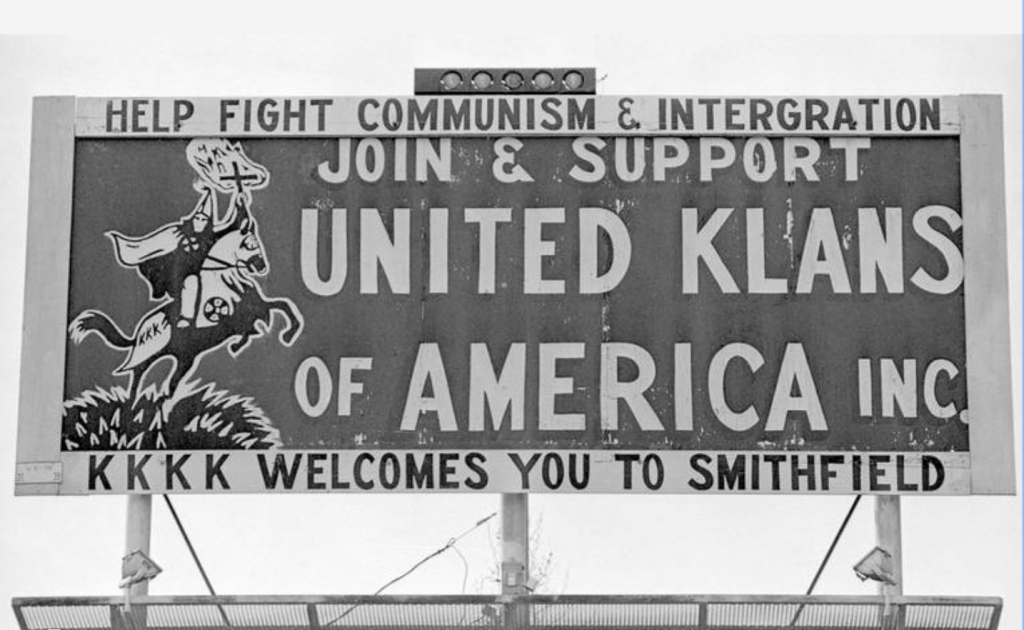
A Ku Klux Klan billboard in Smithfield, N.C. STEVE MURRAY NEWS & OBSERVER FILE PHOTO

During jury selection, a black member of the jury pool overheard two white members agreeing that the brothers “never should have made it out of the woods” where police arrested them. The black juror reported this baldly racist comment to the court. Yet, the judge made no attempt to identify or remove the white jurors.

Instead, the prosecutor aggressively questioned the black man about why he reported the incident, then struck the black man from the jury, citing his report as one of the reasons.

The same prosecutor questioned potential black jurors about whether they listened to Bob Marley or were familiar with Ethiopian emperor Haile Selassie, implying that they might sympathize with black defendants who practice Rastafarianism. No white jurors were asked similar questions.

In the end, the prosecutor struck all but two of the black jurors. The defense attorneys had to strike another who they felt wouldn’t be fair to their client. That left a jury of eleven whites and one black woman to decide the fate of two black teens. The white jurors who made racist comments were never identified, so it’s possible they were members of the final jury.

In front of this skewed jury, the prosecutor depicted Rastafarianism as a white-hating cult, rather than a religion that preaches black empowerment and redemption. The Golphin brothers were badly abused children growing up in a culture of violence, addiction, deprivation, and racism, factors that could have led the jury to choose life sentences. But the boys’ tragic life story sparked no mercy in a jury with such limited understanding of their backgrounds.

Both were sentenced to death. Kevin later received a life without parole sentence after the law was changed to prohibit death sentences for children.

In 2012, Tilmon was temporarily removed from death row and sentenced to life without parole after his attorneys proved, under the Racial Justice Act, that prosecutors used racist jury selection practices. It’s illegal to strike jurors because of their race, but a judge found that’s exactly what happened at Tilmon’s trial.

However, Tilmon was soon sent back to death row when his Racial Justice Act case was overturned on a technicality. In 2020, the N.C. Supreme Court once again ruled that he could not be executed because of the clear evidence of racism in his case. He is now serving life without parole.

Watch Tilmon’s longtime attorney Ken Rose and poet Cameron L. Bynum speak about the case at the Carolina Justice Policy Center’s Poetic Justice event in 2018.
Filed Under: Racial Bias

Footer

Contact

NCCADP Alternate Logo
NCCADP
3326 Durham-Chapel Hill Blvd.
Building D, Suite 201
Durham, NC 27707
noel@nccadp.org
919-404-7409

Follow Us on Instagram

"You're never too old to learn. You're never too y "You're never too old to learn. You're never too young to teach." – another pearl of wisdom shared by NC death row exoneree, Ed Chapman

Last week, we had the tremendous pleasure of joining students and community members at UNC Chapel Hill to screen "Racist Roots" and hear from Ed about his experience surviving 14 years wrongfully convicted under a sentence of death.

Thanks to the Wrongful Convictions Club at UNC (@wccunc) and the Carolina Justice Initiative (@carolinajusticeinitiative) for sponsoring this event and continually advocating for justice.

#EndTheDeathPenalty #NoMoreDeathRow #NCDeathPenalty #NorthCarolina #UNC
Ed Chapman holds a map that helped save his life. Ed Chapman holds a map that helped save his life.

Nearly 14 years after being sent to death row for a crime he did not commit, this map of Hickory, North Carolina became part of the evidence that proved his innocence. It was developed through years of relentless work alongside his mitigation specialist and law students who refused to give up on his case.

Those 14 years on the row were filled with loss. The men around him became family, and 37 of them were taken, one by one, to the execution chamber. Through it all, Ed kept fighting to come home. He was exonerated in 2008.

A new law in North Carolina  limits the appeals process to just two years. It took Ed 14.

We cannot accept a system that runs out the clock on innocence.

#NCCADP #EndTheDeathPenalty #AbolitionNC #JusticeNC #WrongfulConviction #NoMoreDeathRow
“Me personally, I live death row every day,” Ed Ch “Me personally, I live death row every day,” Ed Chapman shared during our Racist Roots screening at Duke University.

Ed spoke about being wrongfully convicted and losing 14 years of his life to death row after his innocence was deliberately buried by law enforcement in Catawba County.

We're grateful to Duke Partnership for Service (@@duke.dps), Duke Human Rights Center at the Franklin Humanities Institute (@dukehumanrightscenter), and Duke students Rohan, Lameese, and Grace for helping to make this evening possible. Thanks to all who showed up to learn alongside us.

Racist Roots is a project of The Center for Death Penalty Litigation (@centerfordeathpenaltylit).

#NoMoreDeathRow #EndTheDeathPenalty #Duke #NCCADP #RacistRoots
Follow on Instagram

Stay Connected

  • Facebook
  • Instagram
  • Twitter

Copyright © 2026 · NC Coalition for Alternatives to the Death Penalty · All Rights Reserved · Website by Tomatillo Design