Subscribe to Our Newsletter

This field is for validation purposes and should be left unchanged.
Name(Required)
Email(Required)
Address(Required)
Check all that apply:

  • Skip to main content
  • Skip to footer

NC Coalition for Alternatives to the Death Penalty

Committed to ending the death penalty and creating a new vision of justice

  • Who We Are
    • Mission & History
    • Our Values
    • People Most Proximate
    • Coalition Members
    • Staff, Board, & Advisory Council
    • Our Funders
  • What We Do
  • Why End the Death Penalty?
    • Column 1
      • Racism
      • Innocence
      • Intellectual Disability & Mental Illness
    • Column 2
      • Public Safety
      • High Cost of Death
      • Waning Support
    • Column 3
      • Lethal Injection
      • Antiquated Sentences
      • Unfair Trials
  • Events
  • The Pledge
  • Blog
  • Commutations Campaign
  • Get Involved
  • Donate

Search NC Coalition for Alternatives to the Death Penalty

Intellectual Disabilities

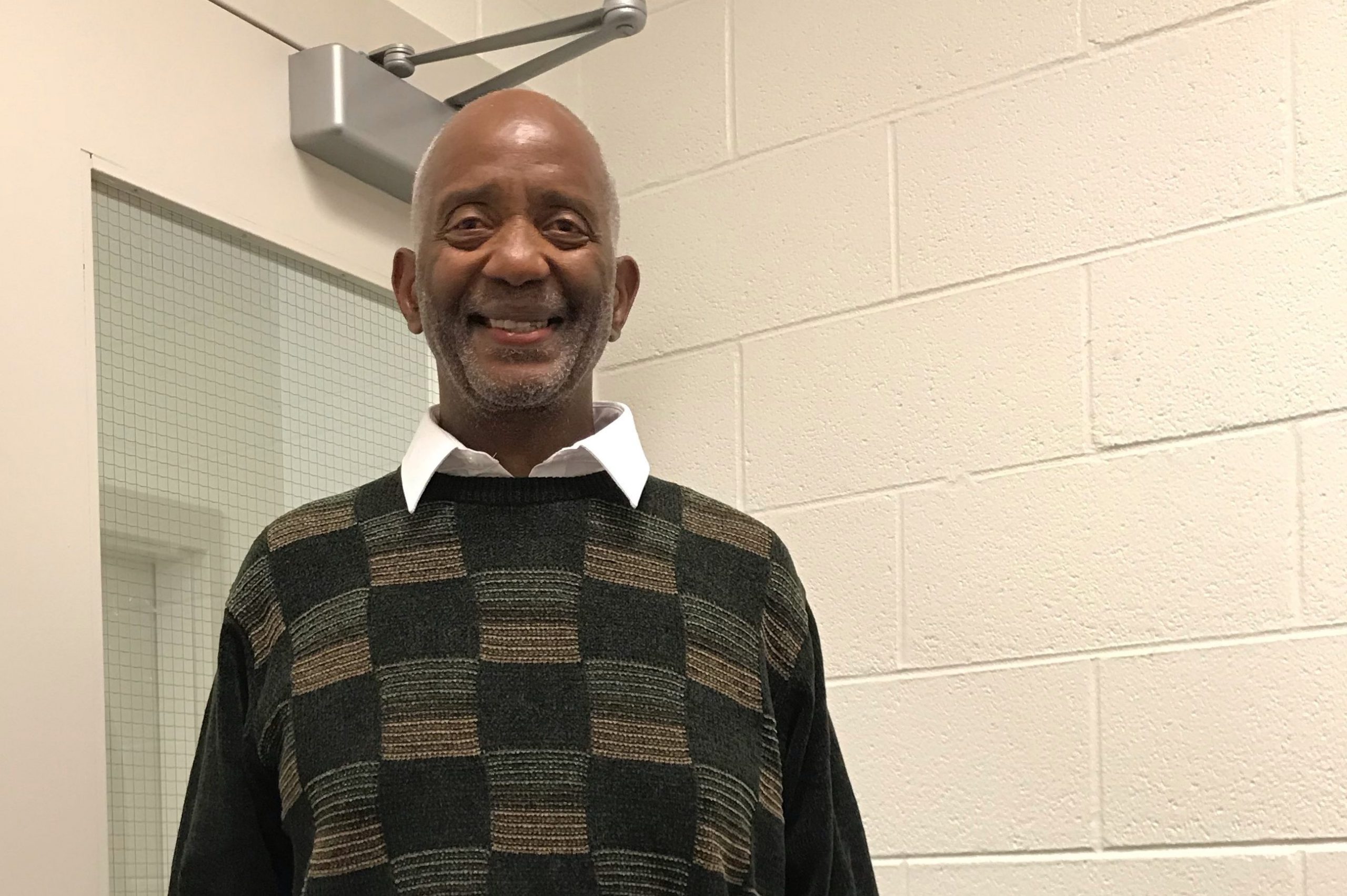
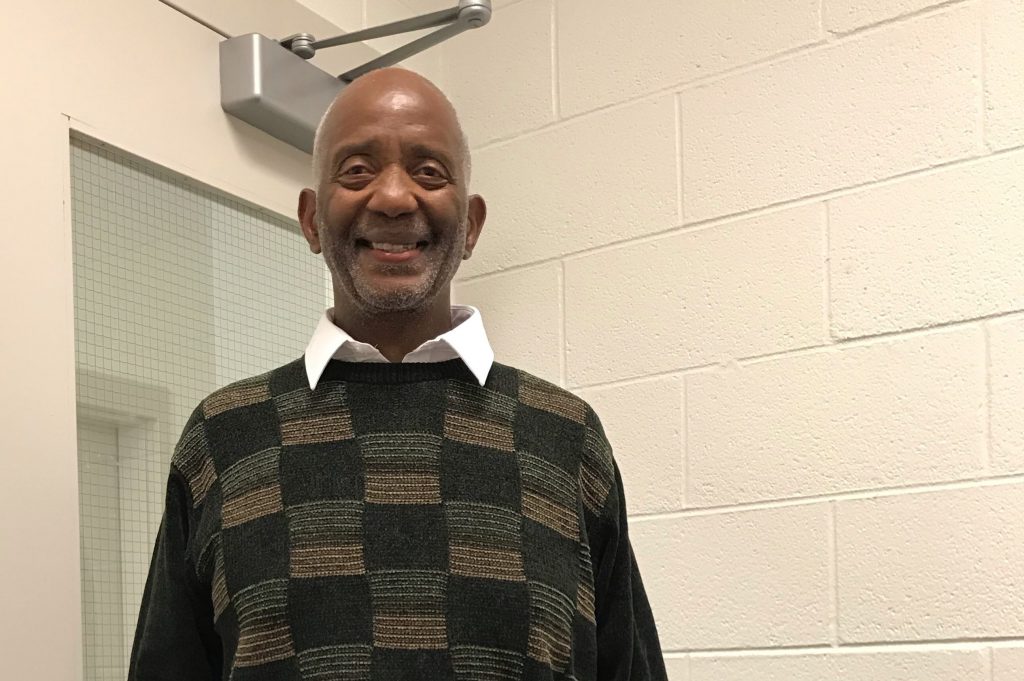
Jimmy Morgan, smiling, in a checkered sweater and white collar

Resentenced to Life: Why justice matters, even for my guilty clients

Nov 14, 2018
Legally, there was a strong argument that even though Jimmy was guilty, he should never have been sentenced to death. The jury that sentenced him didn’t know that this impulsive crime was in part the product of several traumatic brain injuries, which began in childhood. If Jimmy were retried now, he would never receive a death sentence. No Buncombe jury has sentenced anyone to death since 2000.
Resentenced to Life: Why justice matters, even for my guilty clients
November 14, 2018 · Kristin Collins

Jimmy Morgan, smiling, in a checkered sweater and white collar

Legally, there was a strong argument that even though Jimmy was guilty, he should never have been sentenced to death. The jury that sentenced him didn’t know that this impulsive crime was in part the product of several traumatic brain injuries, which began in childhood. If Jimmy were retried now, he would never receive a death sentence. No Buncombe jury has sentenced anyone to death since 2000.

Filed Under: Arbitrary Use, Guest Posts, Intellectual Disabilities, Latest News, Mental Disabilities, Why We Care

Justices' benches at the Supreme Court of the State of North Carolina

N.C. Supreme Court overturns death sentence for disabled man

Jun 12, 2018
Even with the number of death sentences slowed to a trickle, our state still can’t get it right in death penalty cases. The N.C. Supreme Court has just overturned the sentence of of a death row prisoner from Forsyth County, saying there was ample evidence that he had intellectual disabilities and mental illness that should have moved the jury to spare him from execution.

N.C. Supreme Court overturns death sentence for disabled man

June 12, 2018 · Kristin Collins

Justices' benches at the Supreme Court of the State of North Carolina

Even with the number of death sentences slowed to a trickle, our state still can’t get it right in death penalty cases. The N.C. Supreme Court has just overturned the sentence of of a death row prisoner from Forsyth County, saying there was ample evidence that he had intellectual disabilities and mental illness that should have moved the jury to spare him from execution.

Filed Under: Declining Use, Intellectual Disabilities, Latest News, Mental Disabilities

Footer

Contact

NCCADP Alternate Logo
NCCADP
3326 Durham-Chapel Hill Blvd.
Building D, Suite 201
Durham, NC 27707
noel@nccadp.org
919-404-7409

Follow Us on Instagram

NCCADP is delighted to welcome two new members to NCCADP is delighted to welcome two new members to our Board of Directors, Kerwin Pittman and Paul Klever. 

@kerwin_pittman is the founder of @rreps_. He is a re-entry expert and brings lived experience of spending more than 11 years behind bars. Kerwin sits on the NC Task Force for Racial Equity in Criminal Justice and the State Re-Entry Council Collaborative.

Paul Klever served as executive director of Charles House Association for 20 years. He brings expertise in nonprofit leadership and over a decade supporting people return to community life after incarceration through the Religious Coalition for a Nonviolent Durham. 

Their experience, insight, and commitment to ending the death penalty in North Carolina come at a pivotal time for our movement. We are grateful for their leadership and excited for the work ahead.

Read more about Paul and Kerwin at nccadp.org/leadership.

Special thanks to our two outgoing board members, Margaux Lander and Mark Pickett, whose leadership has helped shape many critical phases of our work!

#NoMoreDeathRow #EndTheDeathPenalty #NCCADP
Happening this Thursday in Asheville – you're invi Happening this Thursday in Asheville – you're invited!

Who benefits from mass incarceration and the prison industrial complex? In their new book, The Prison Industry: How It Works and Who Profits, Bianca Tylek and Worth Rises expose the economic forces that uphold and benefit from these systems.

Join us at Firestorm Books in Asheville on January 22 to hear Bianca in conversation with Rev. Philip Cooper of Operation Gateway, a fireside chat moderated by NCCADP’s Executive Director, Noel Nickle.

Learn more at the link in our bio.
Martin Luther King, Jr. was a dedicated death pena Martin Luther King, Jr. was a dedicated death penalty abolitionist. This MLK Day, we reflect on the connection between Dr. King's legacy of nonviolence and the movement to abolish the death penalty.

In 1952, at the young age of 16, Alabama high school student Jeremiah Reeves was accused of sexually assaulting a white woman. In a rushed trial, an all-white jury sentenced him to die. His defense argued that law enforcement had coerced his confession by strapping him to an electric chair and threatening to flip the switch immediately unless he declared his guilt. 

Reeves spent 6 years on death row as his case moved through the appeals process. Dr. King became a strong advocate for Reeves, but the state still put him to death. In 1958, just 9 days after Reeves' killing, Dr. King led a march, the Prayer Pilgrimage, to the steps of the Alabama capitol. In front of a crowd of more than 2,000 people, Dr. King boldly proclaimed the injustices of the death penalty: "It is the severity and inequality of the penalty that constitutes the injustice."

Reeves' execution was a flashpoint for civil rights advocates, one of a long series of injustices that fueled the Montgomery bus boycott and the Civil Rights Movement more broadly.

Throughout his life, Dr. King repeatedly spoke out against the death penalty, which he saw as racist, brutal, antiquated, and fundamentally in opposition to his theory of nonviolence. 

Read more about how we can honor Dr. King's legacy by ending the death penalty on our website: nccadp.org/mlk-day-2026

#NoMoreDeathRow #MLKDay #MartinLutherKingJr #EndTheDeathPenalty
Follow on Instagram

Stay Connected

  • Facebook
  • Instagram
  • Twitter

Copyright © 2026 · NC Coalition for Alternatives to the Death Penalty · All Rights Reserved · Website by Tomatillo Design