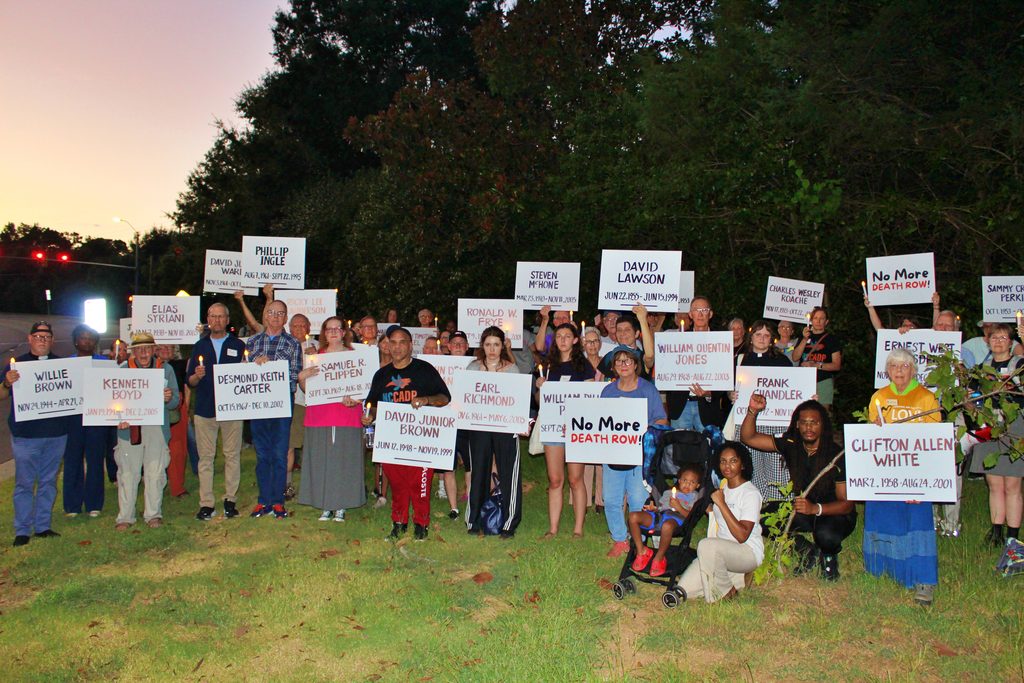
Twenty years ago, North Carolinians gathered at Pullen Memorial Baptist Church before walking to Central Prison, where the state would execute Samuel Flippen in the early hours of August 18, 2006.
North Carolina has not carried out an execution since.
This August, exactly twenty years later, we returned to that sanctuary, to Central Prison, to the legacy of capital punishment.
Over five days, we heard from people with very different experiences of the death penalty, united by a shared determination to end it.
Bearing Witness: Interfaith Service and Vigil
“Do not be weary in doing good.”
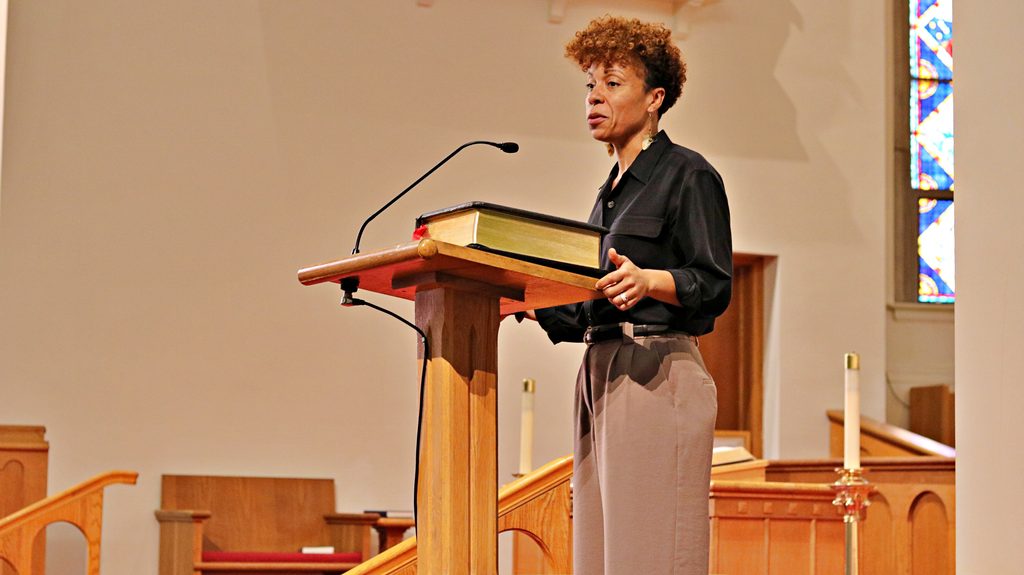
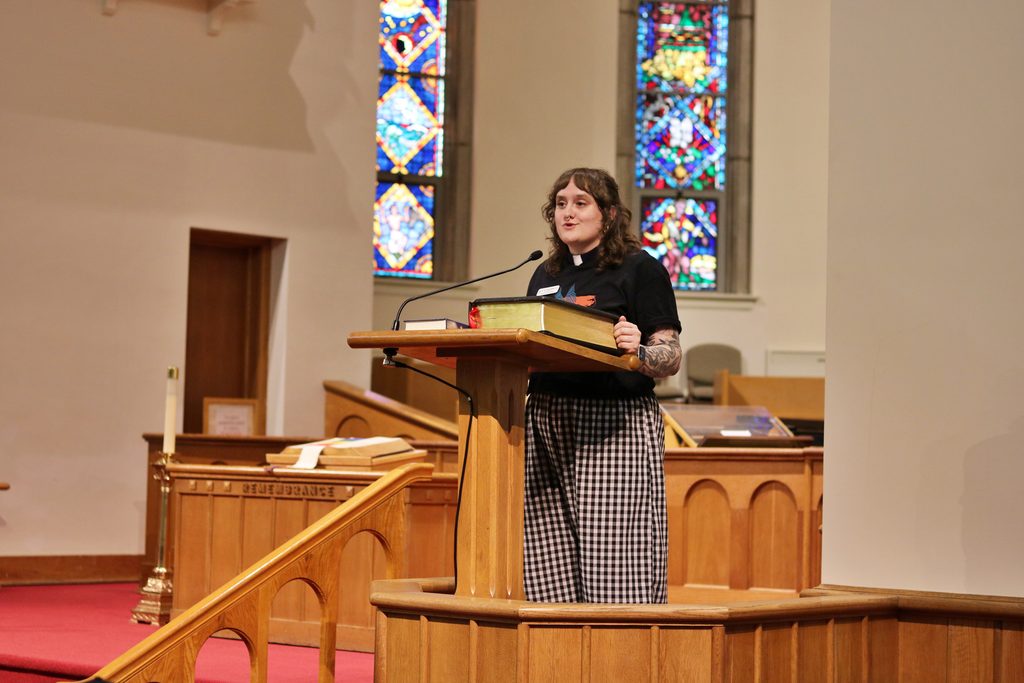
Rev. Chalice Overy offered those words from the Christian tradition at the beginning of the interfaith service at Pullen, speaking to people who have spent decades bearing witness to the death penalty.
“Every vigil you attended, every week you held a sign out at Central Prison, every time you bore witness in any way, every bit of it,” she said. “Sometimes it’s been wearying, absolutely heartbreaking work.”
“But, as we have heard, it has not been in vain.”
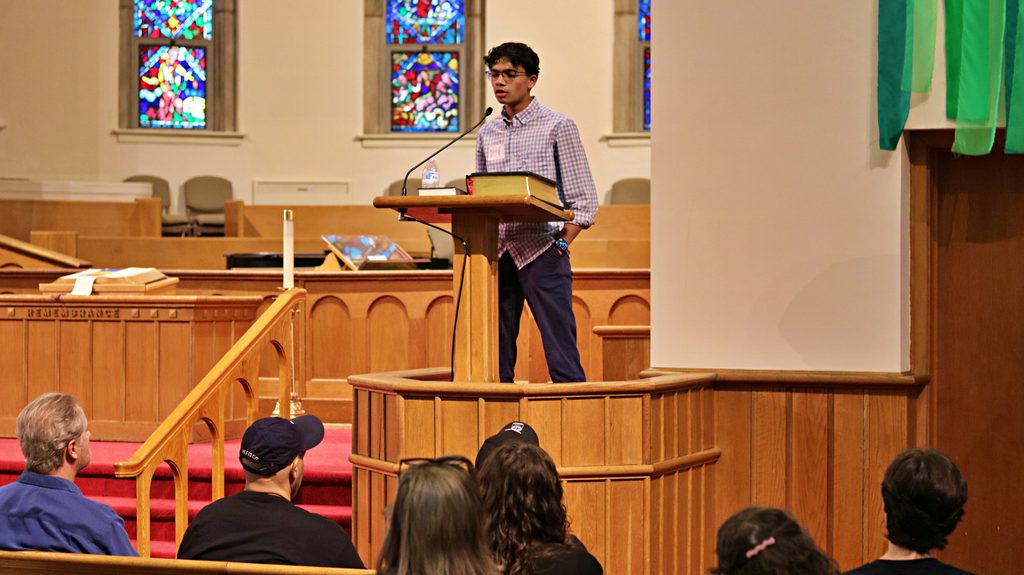
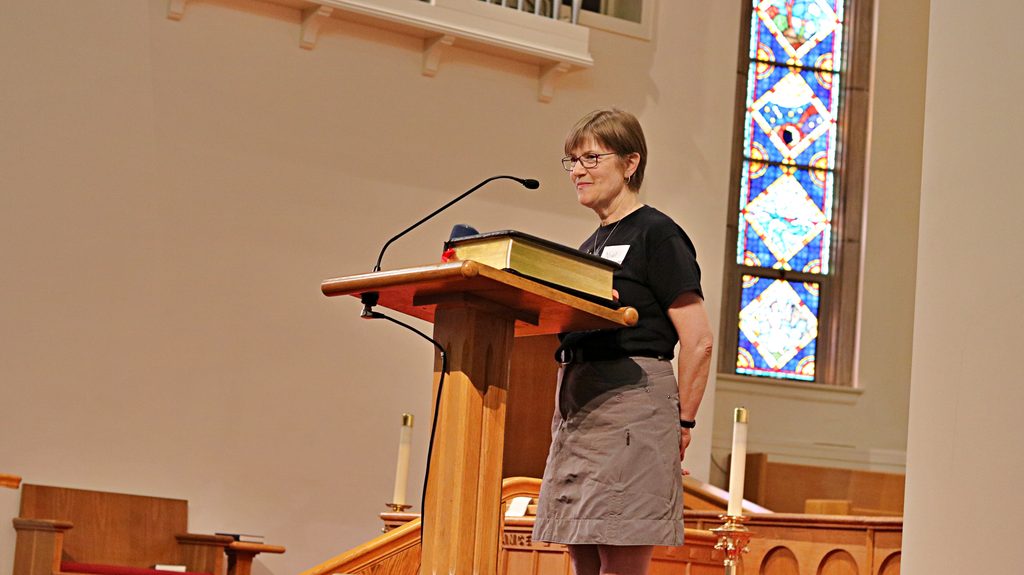
The service drew from Protestant, Catholic, Buddhist, Muslim, and Jewish traditions. Later, the congregation stood for a responsive litany led by people directly affected by violence and the death penalty.
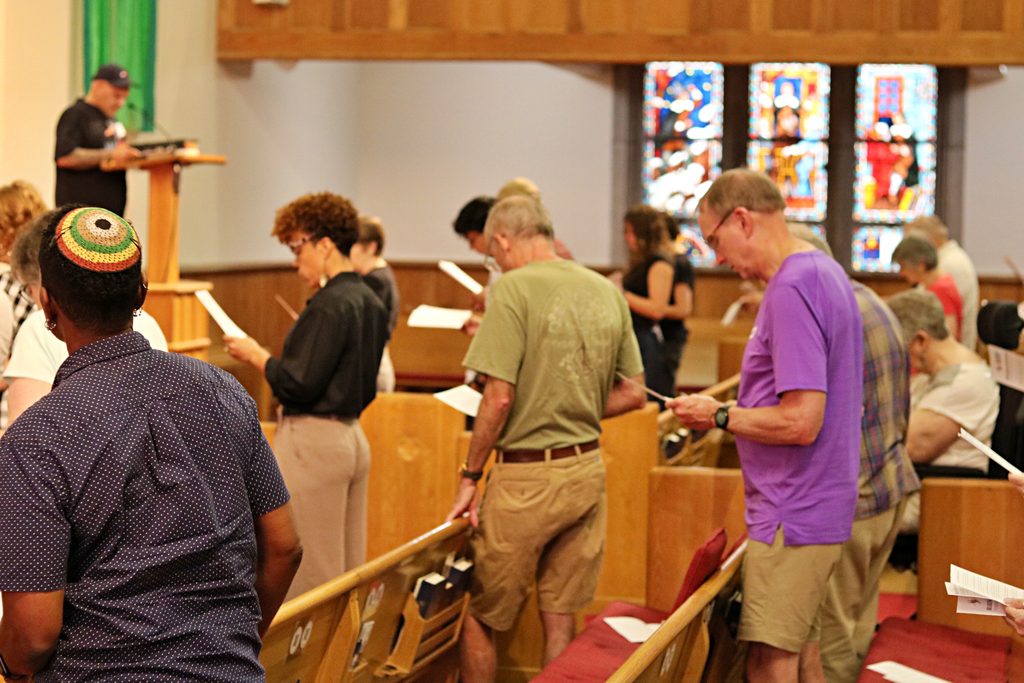
“We remember and bear witness to all who have been harmed by violence.”
The congregation remembered people who had lost loved ones to homicide. They remembered people who had caused harm and their families, the 43 people executed by the state since 1977, and people wrongfully convicted and sentenced to die.
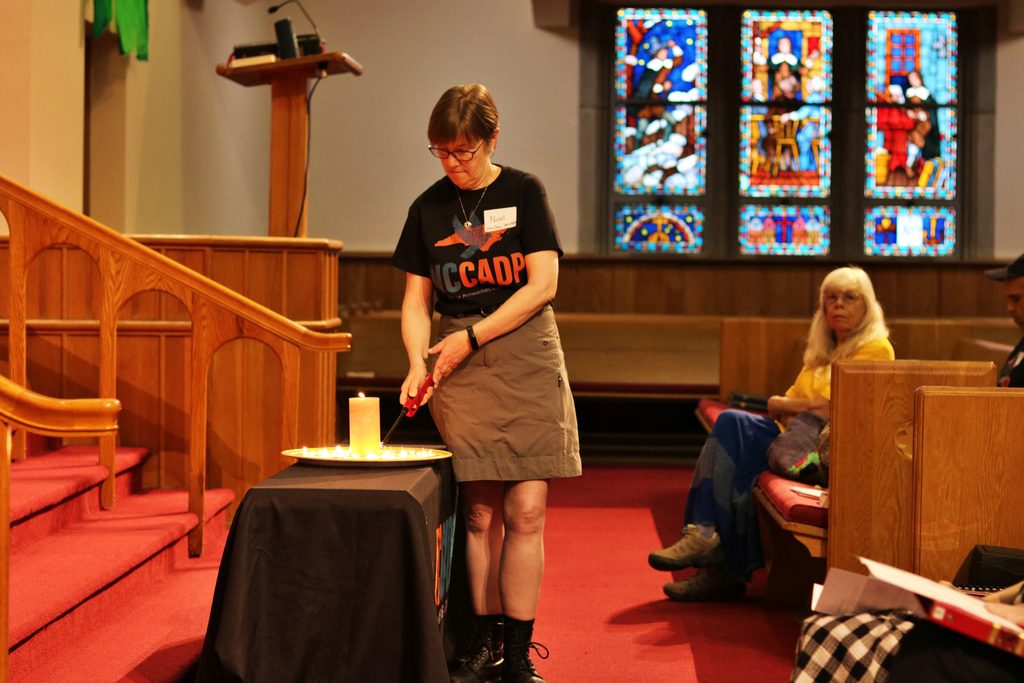
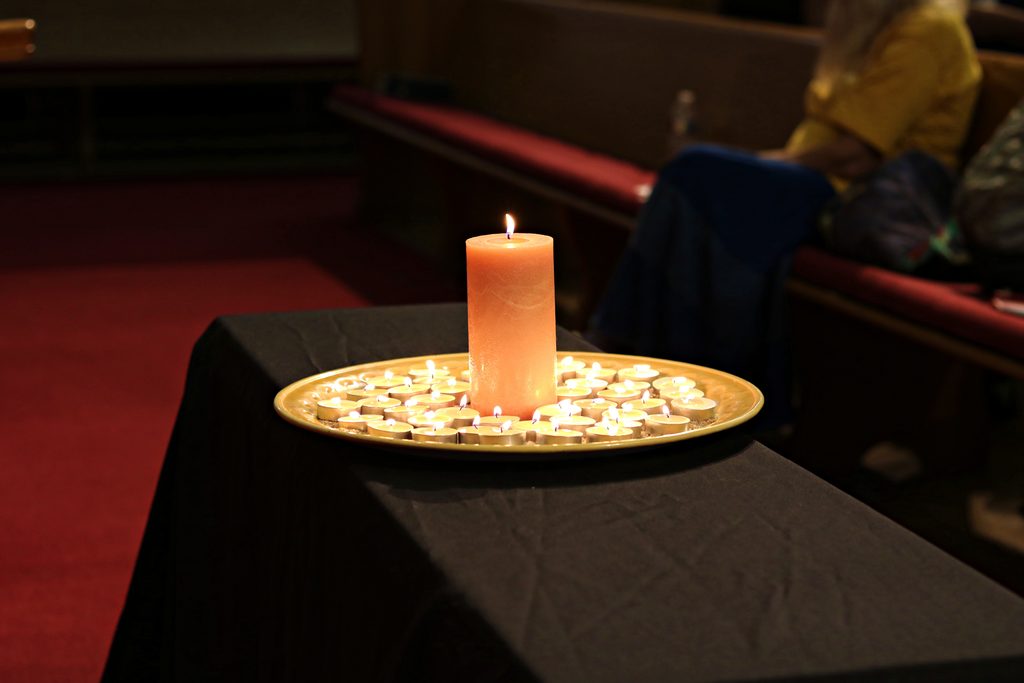
“In spite of our grief and a system designed to kill, we offer gratitude for the community we have found with one another,” the congregation read. “We pledge to continue to dismantle the usual division between victim and perpetrator.”
“We refuse to allow the system to instill hate between us.”
The service closed with a blessing from the Buddhist tradition, offered by Michael Flaherty.
“May I become at all times, both now and forever, a protector for those without protection, a guide for those who have lost their way, a ship for those who have oceans to cross, a sanctuary for those in danger, a lamp for those in the dark, and a servant to all those in need,” he said. “As long as living beings exist and suffering afflicts them, may I too abide to dispel the misery of the world.”
You can watch the full interfaith service here.
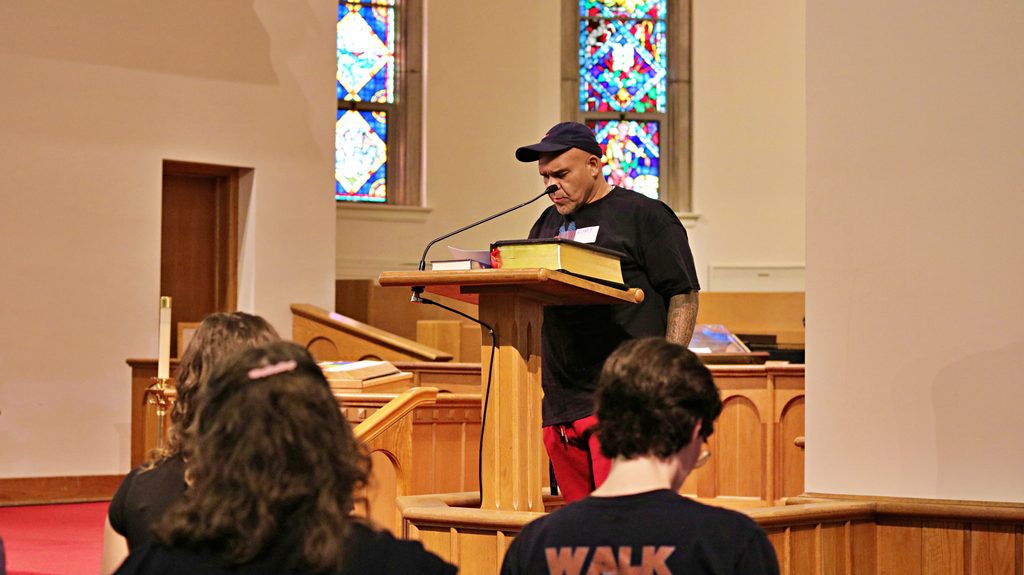
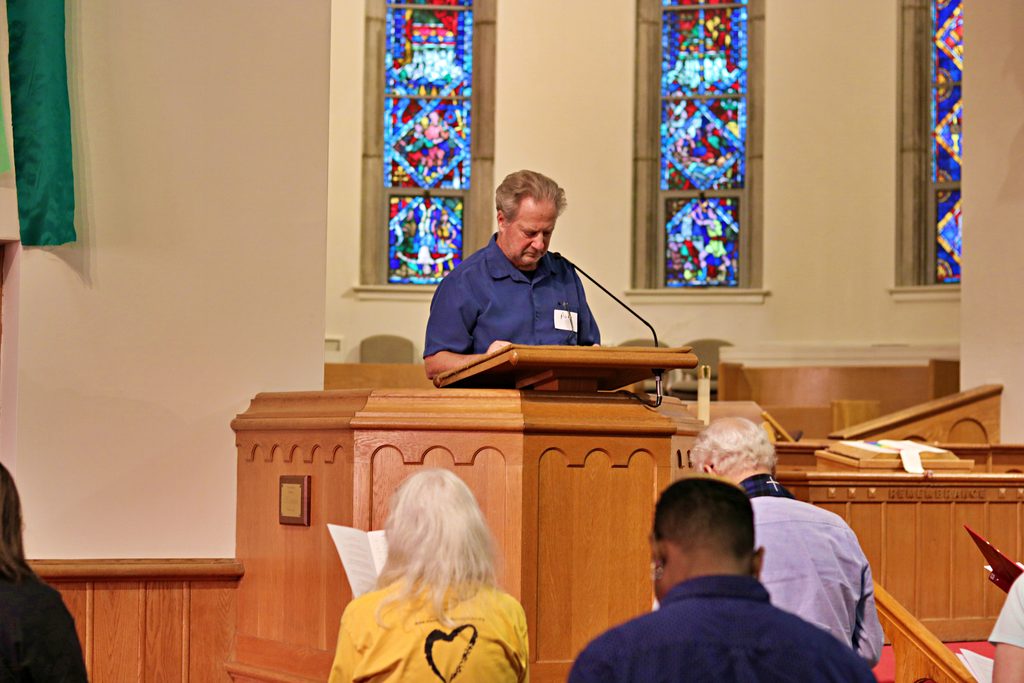
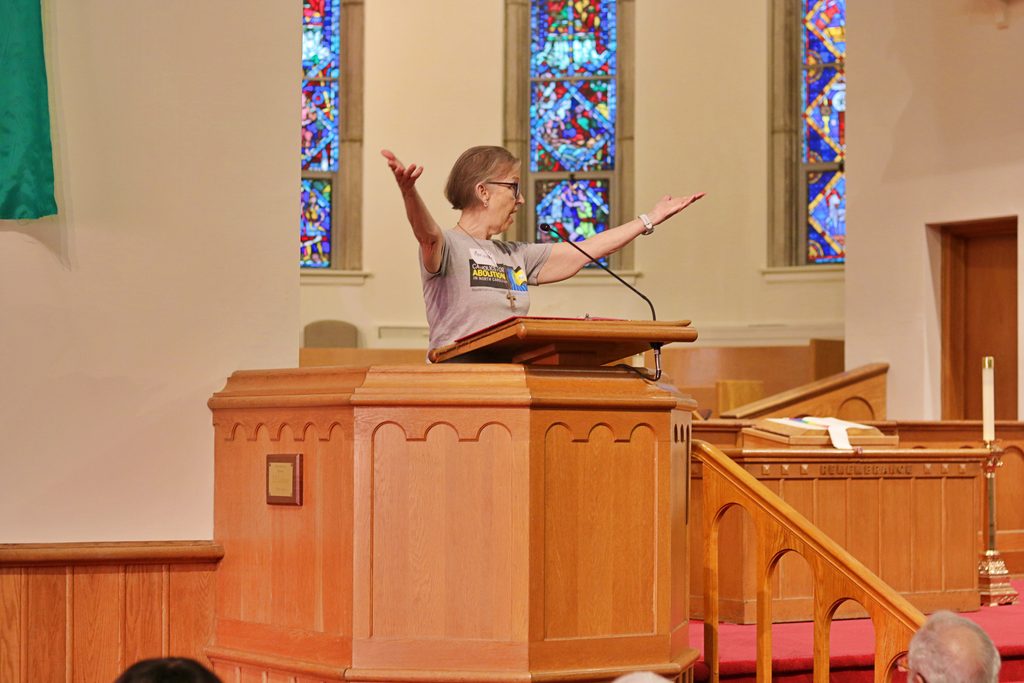
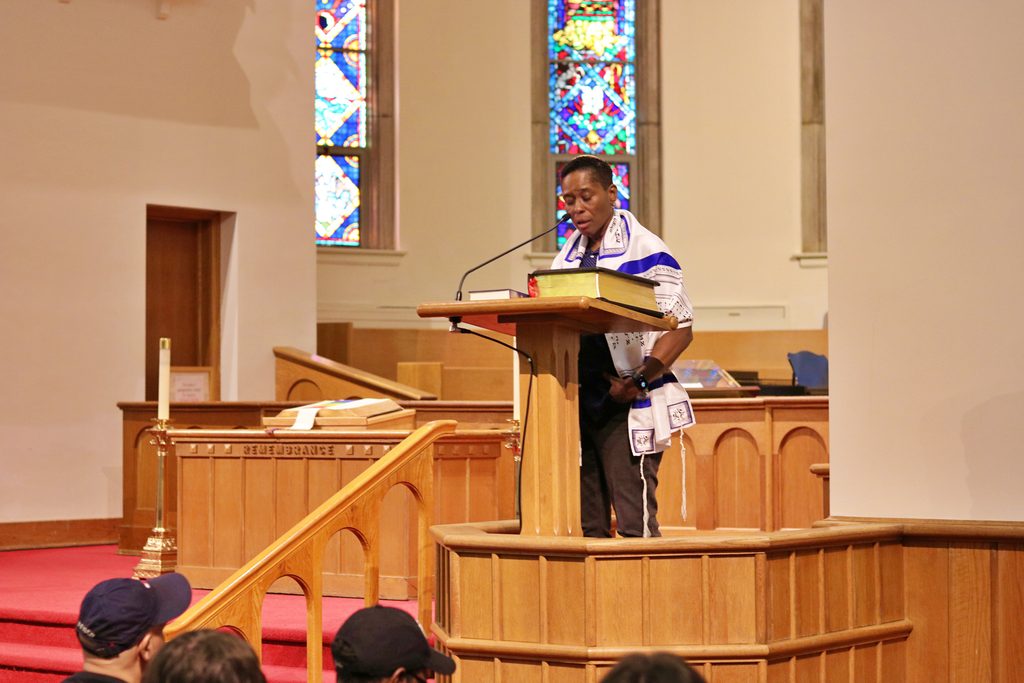
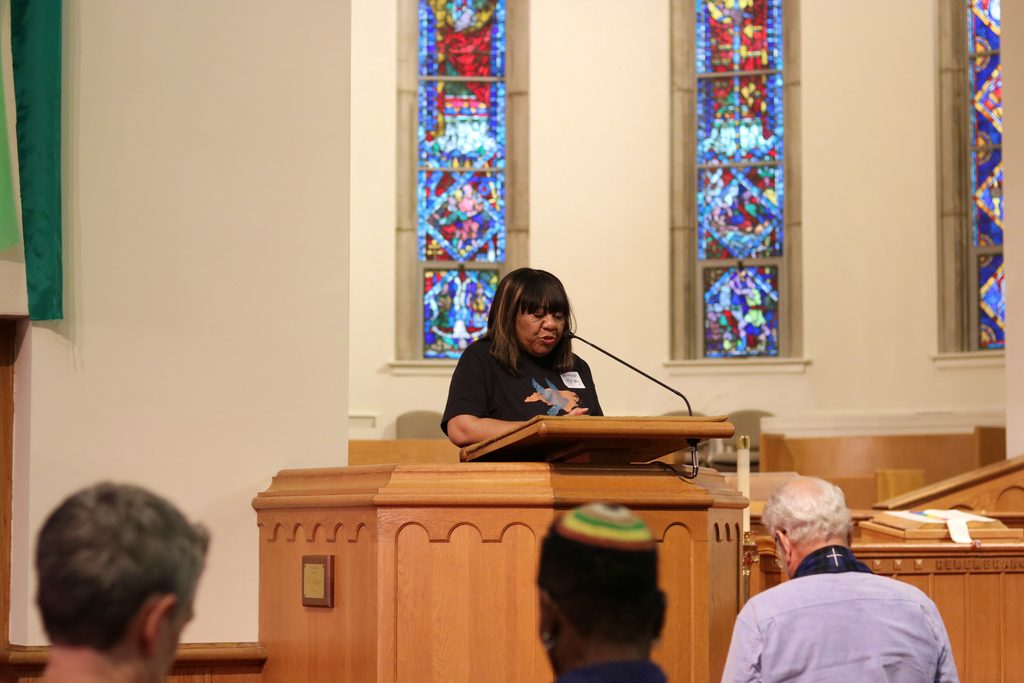
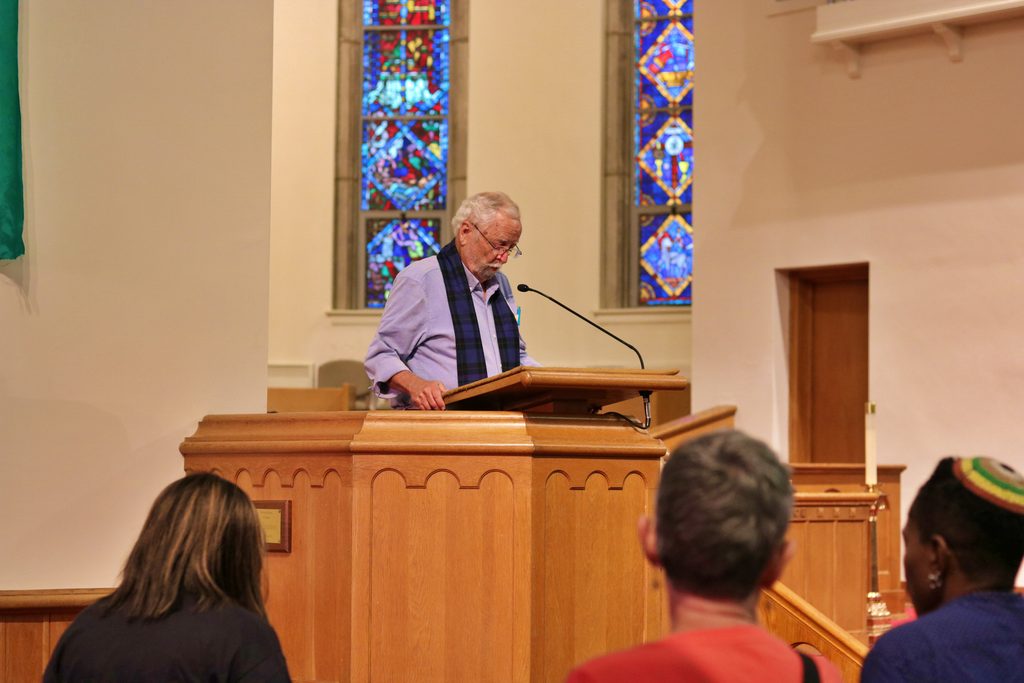
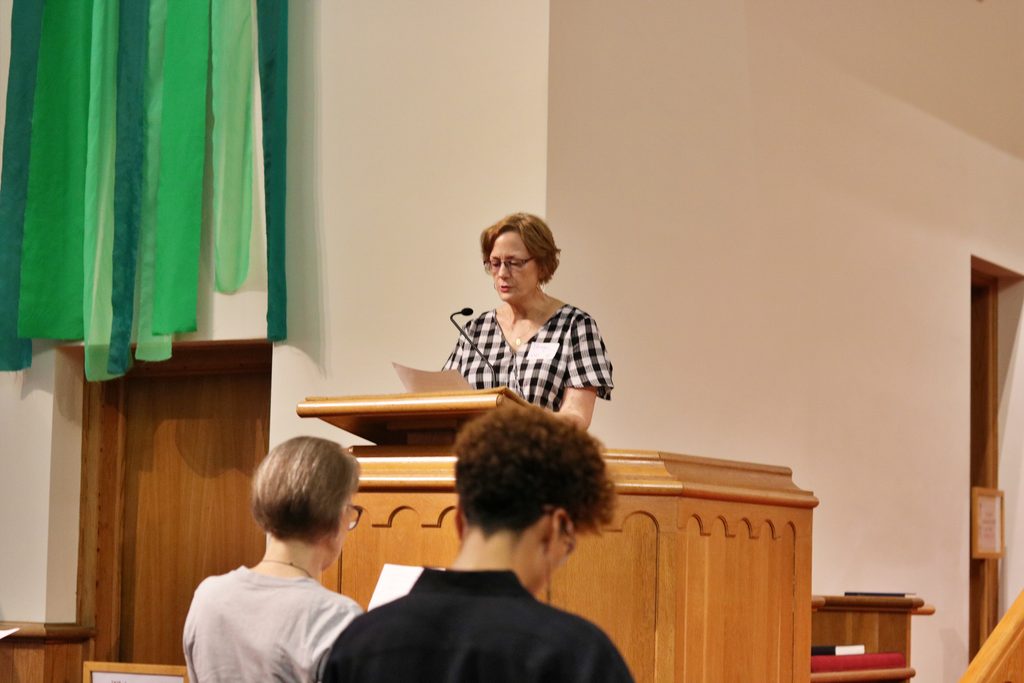
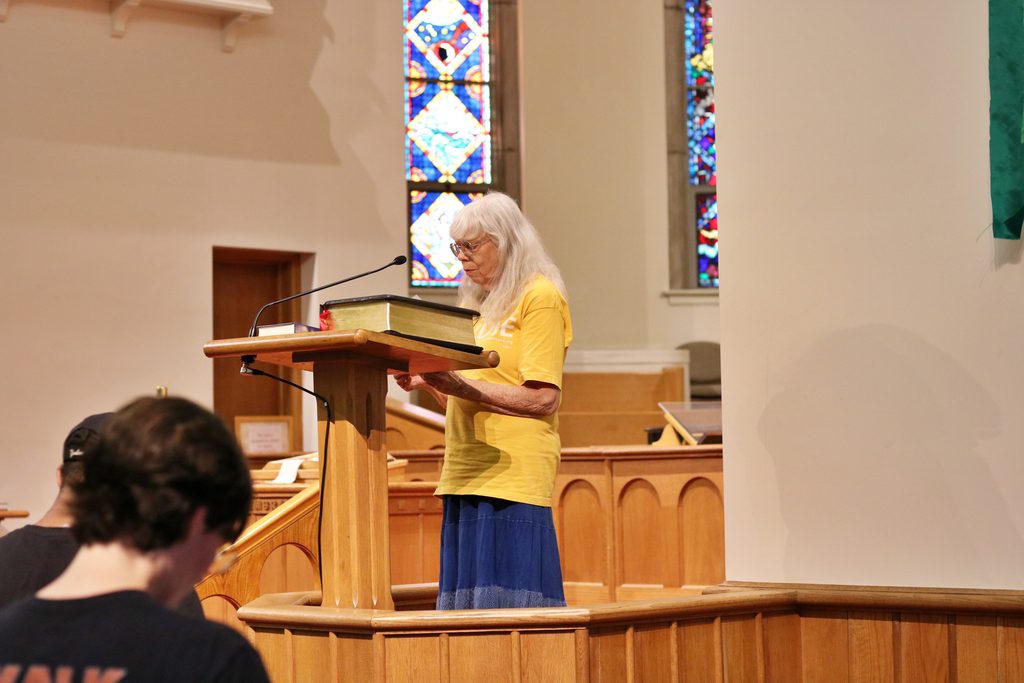
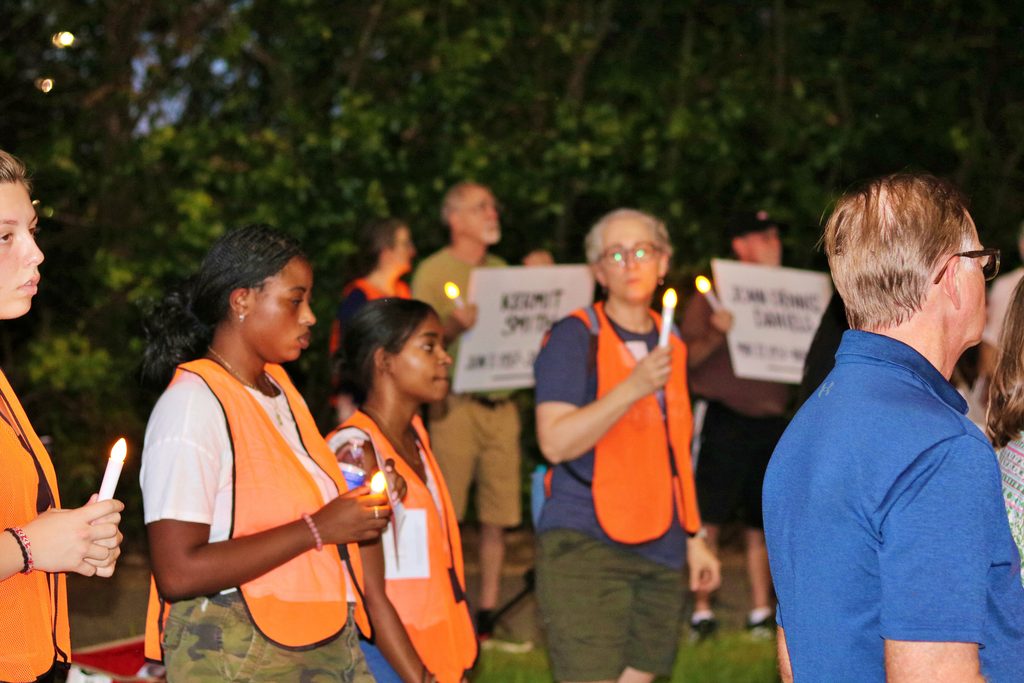
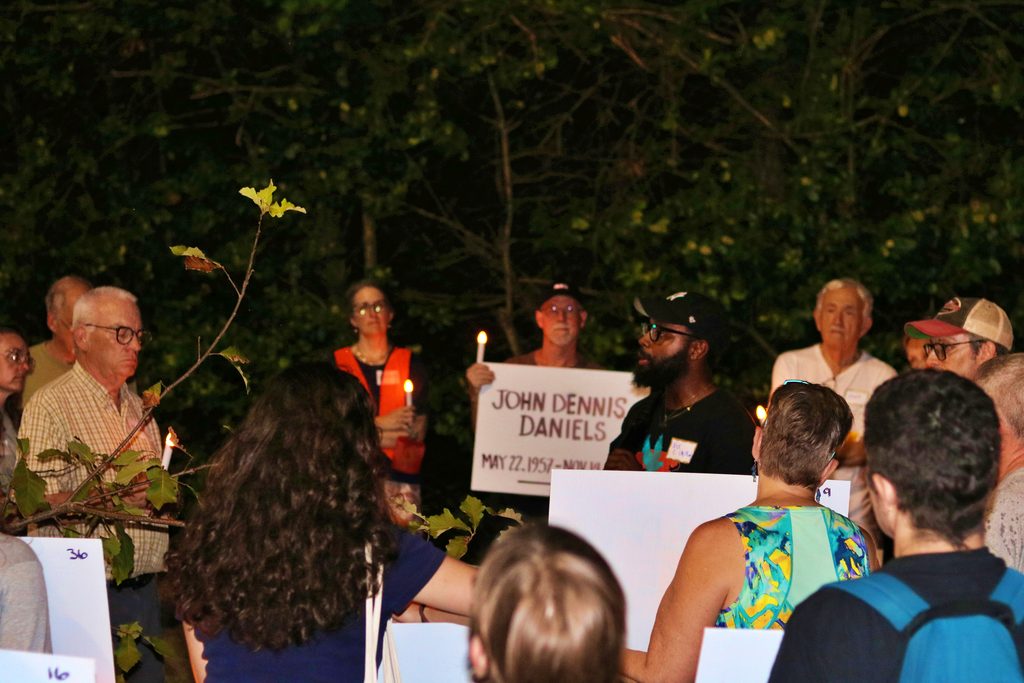
From Pullen, we picked up candles and signs and left on foot. The procession followed the same route to Central Prison that people had walked on the night of North Carolina’s last execution.
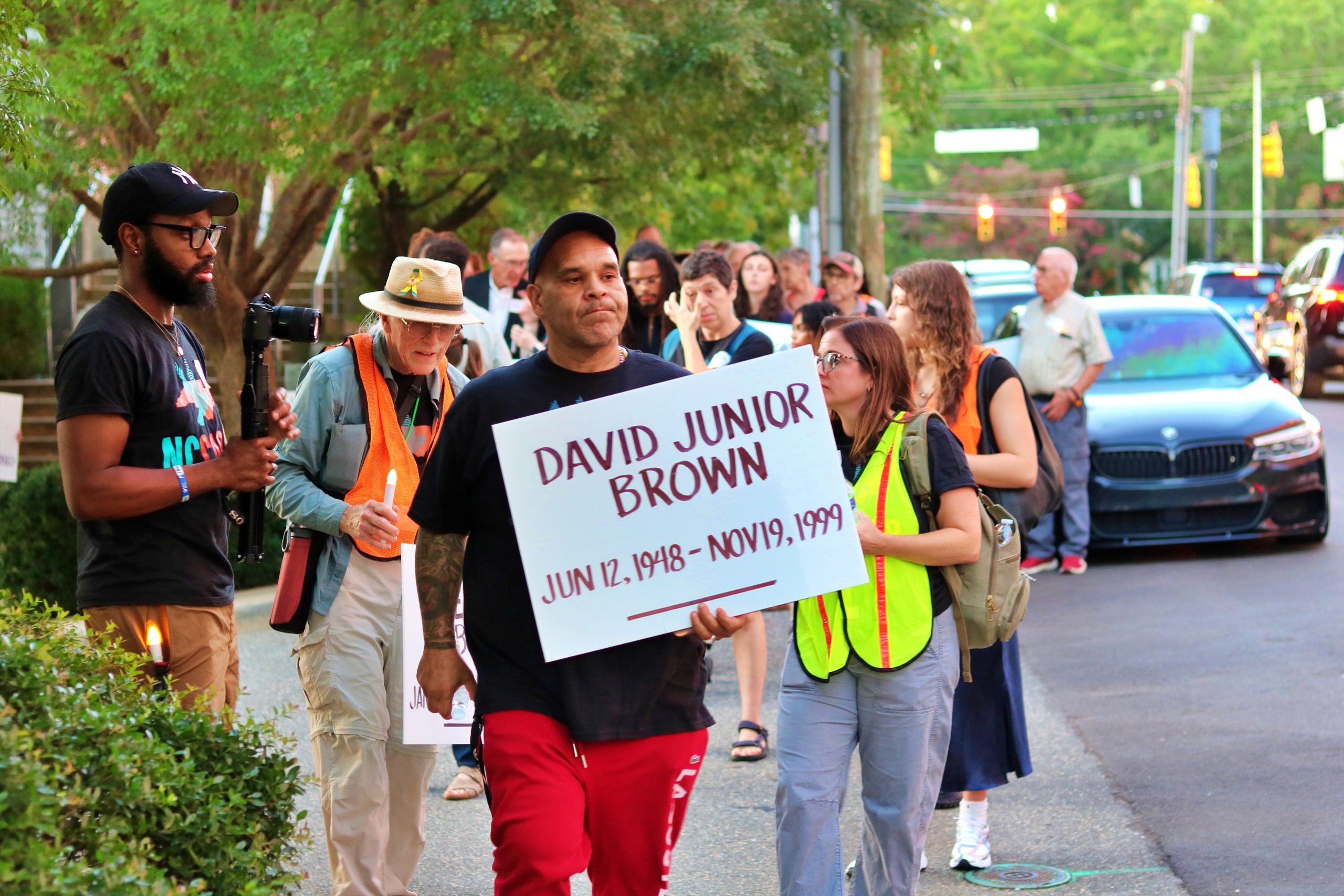
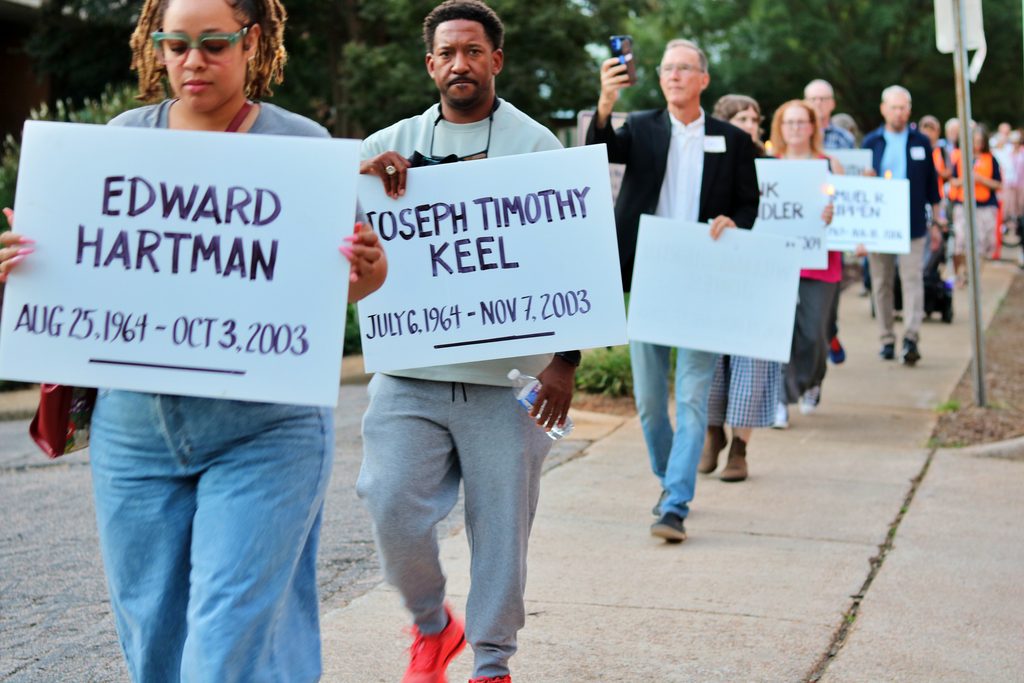
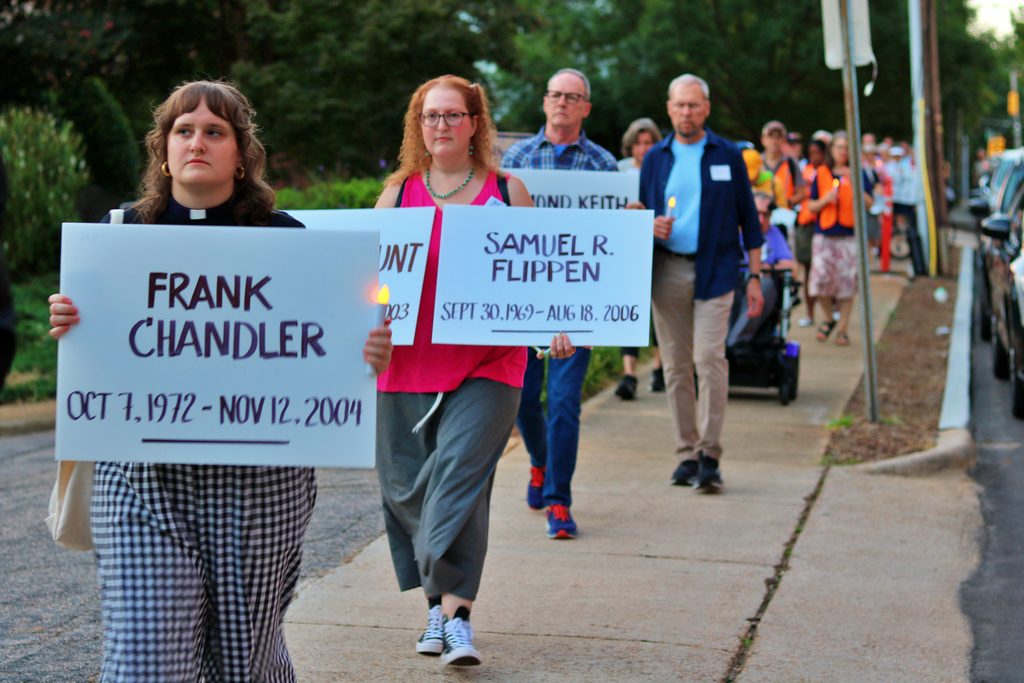
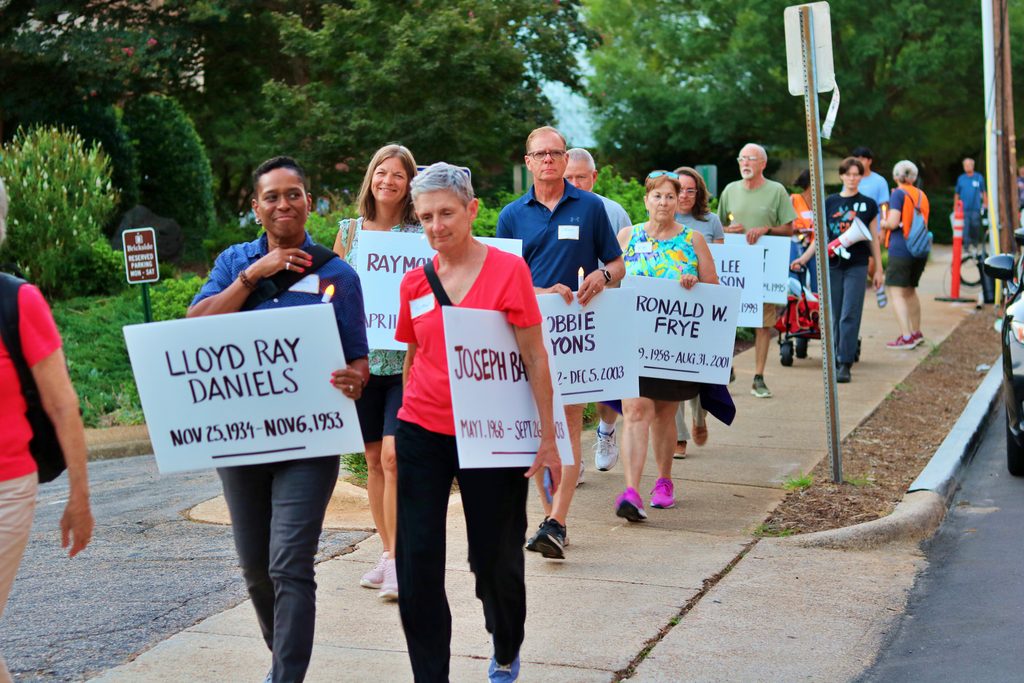
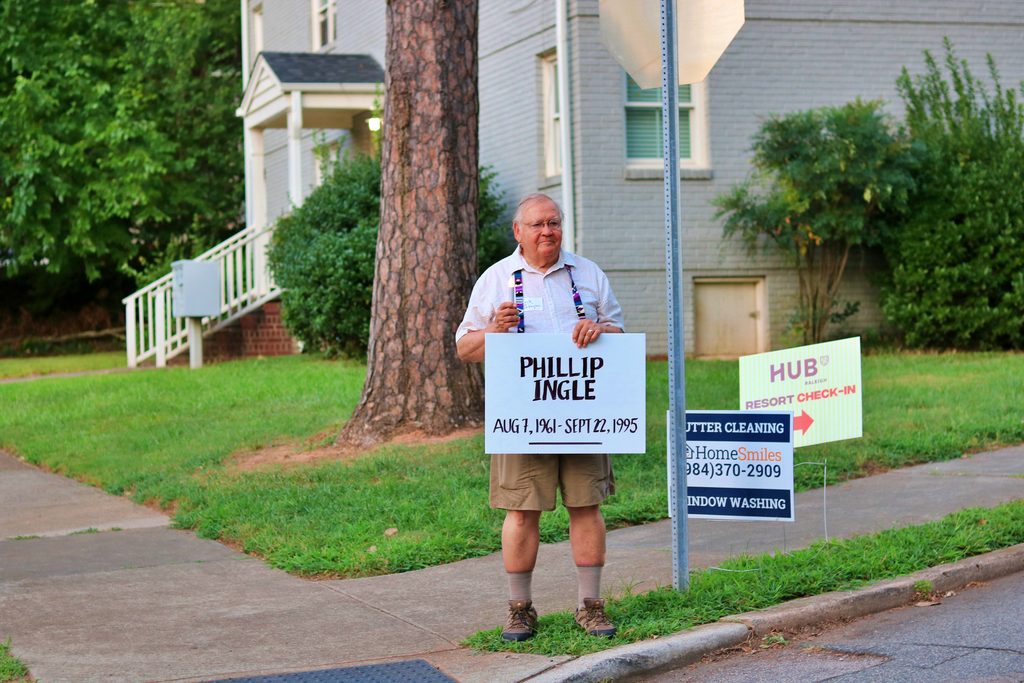
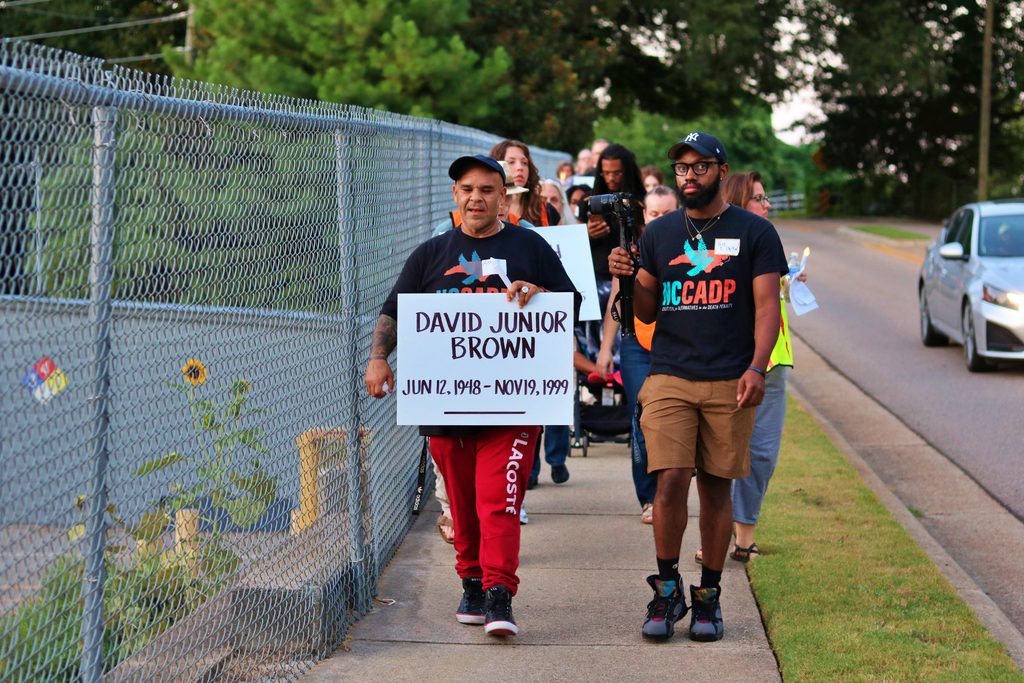
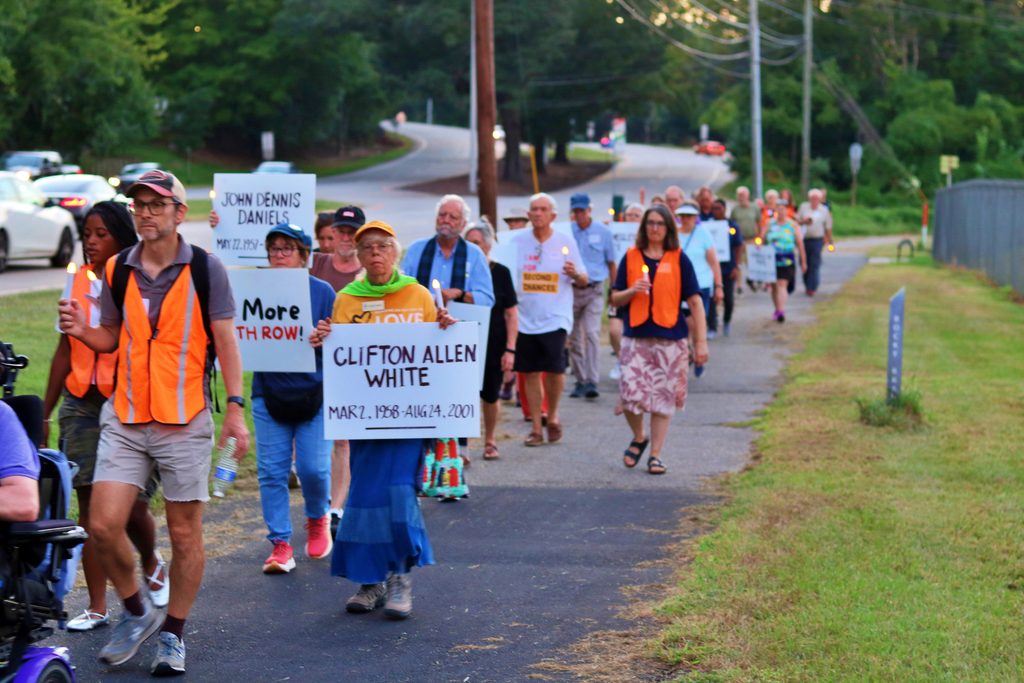
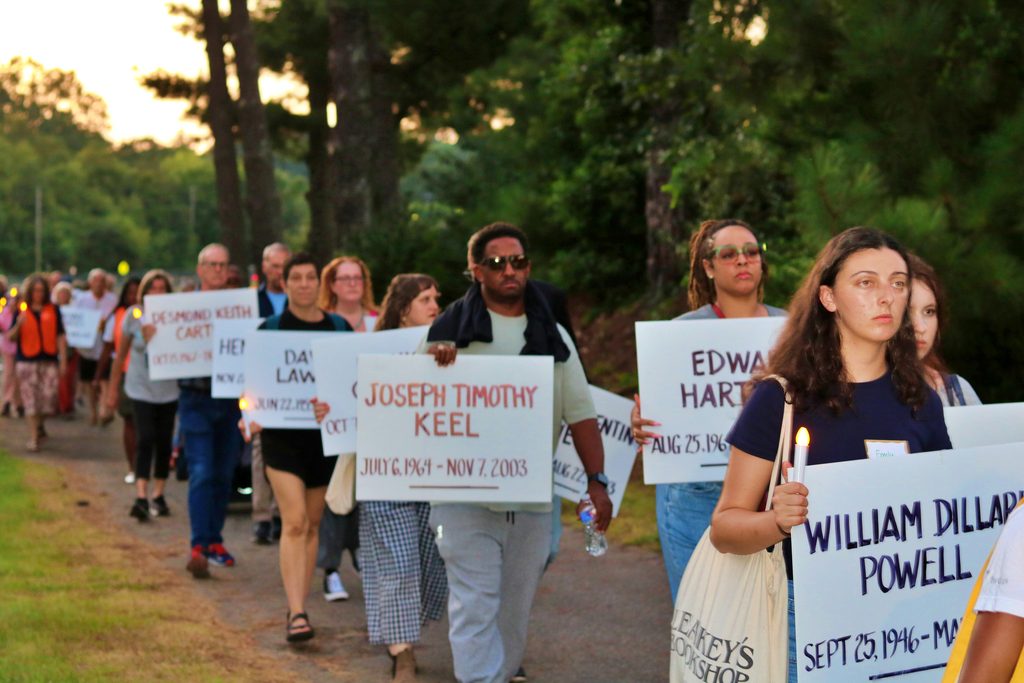
Twenty years earlier, people made that walk knowing an execution was coming. This time, we stood outside the prison calling for the last execution to remain the last.
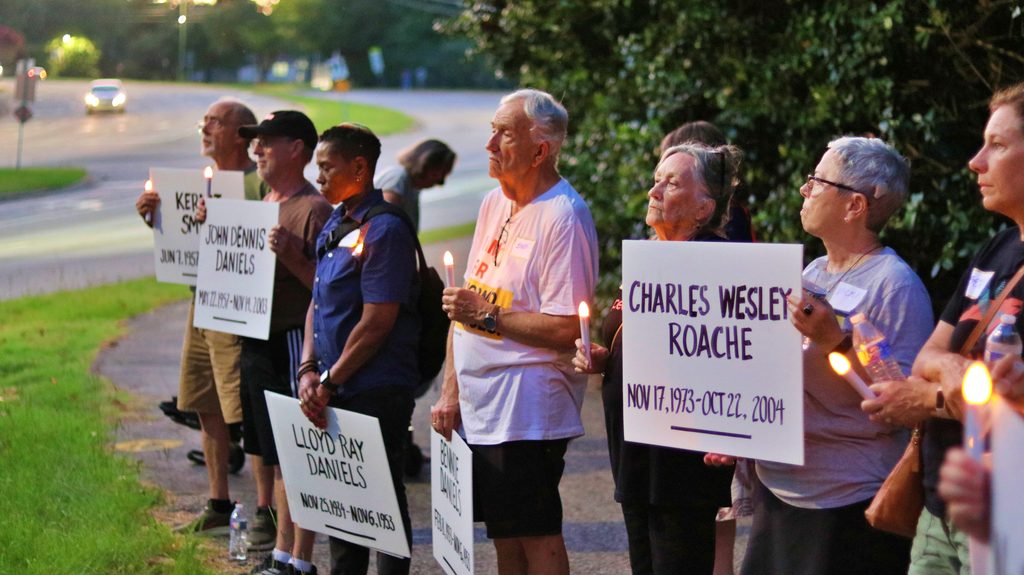
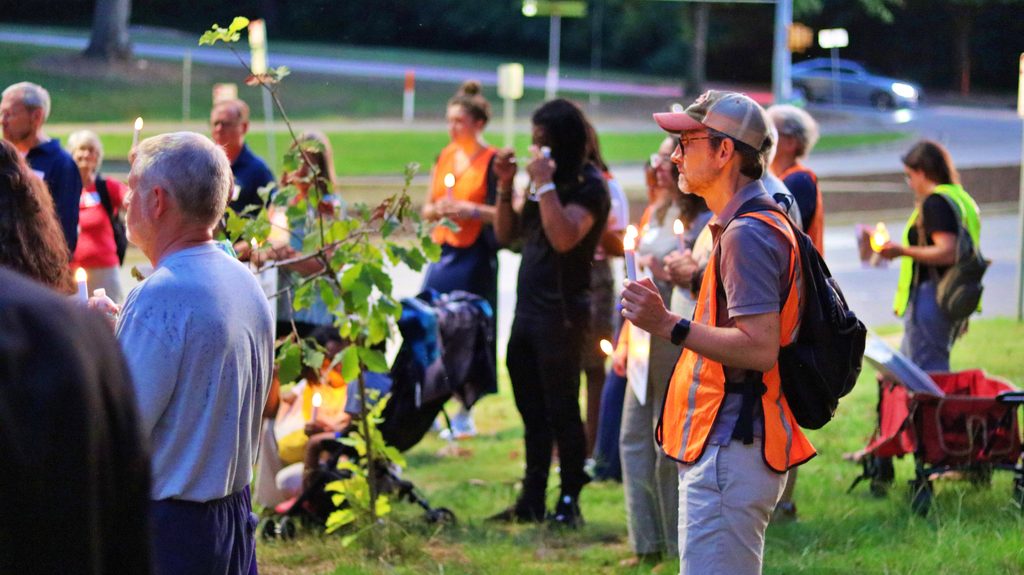
Beyond the Death Penalty: Symposium
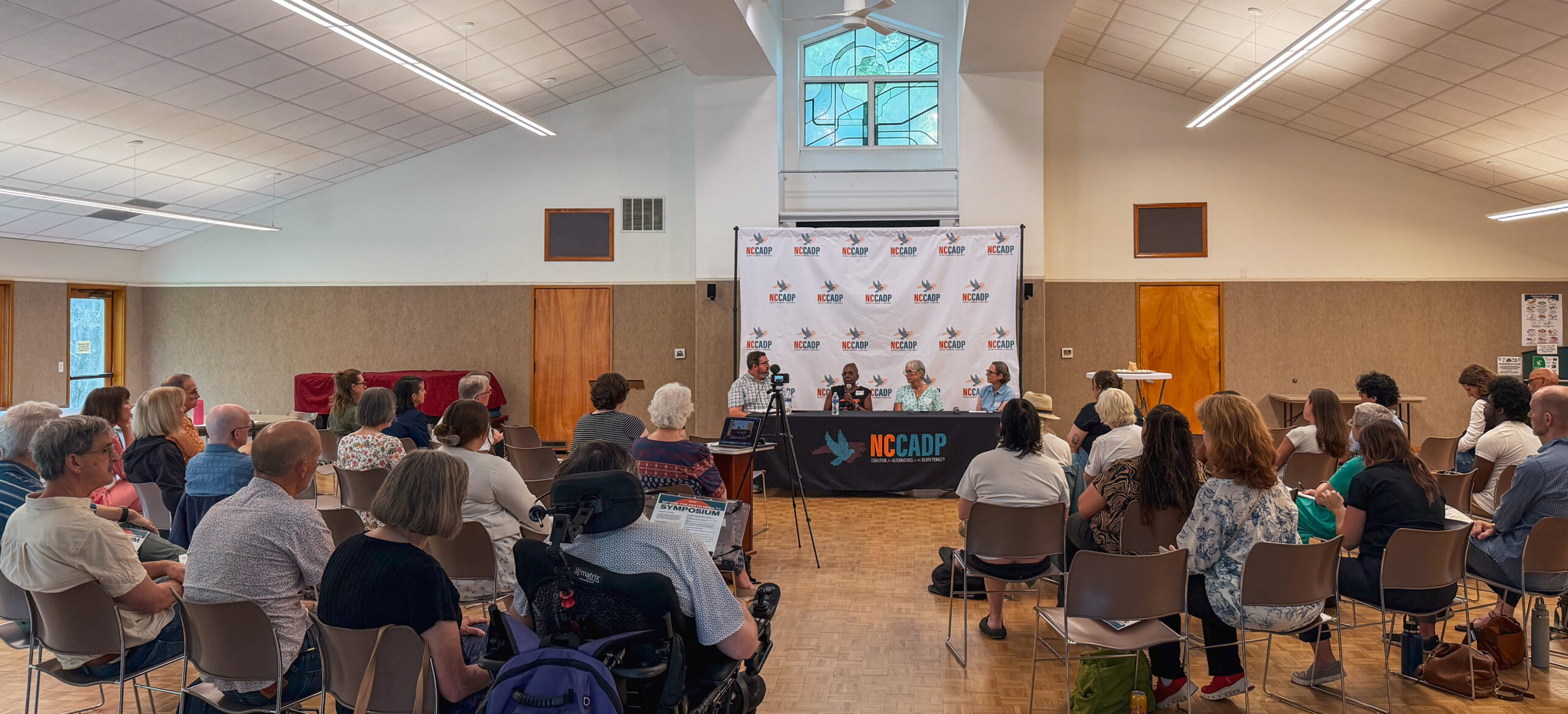
Four days later, we gathered in Durham for Beyond the Death Penalty, a symposium looking at what North Carolina has learned during two decades without executions.
Early in the first panel, Lynda Simmons described walking into a courtroom after her son was murdered.
“I remember going into the courtroom and walking down that middle aisle, and immediately I knew and felt that that was the great divide,” she said.
On one side sat the victim’s family. On the other sat the defendant’s family.
“Everybody in there, both sides are victims,” Lynda said.
Brenda Hooks knew the other side of that aisle. Her son, Cerron, was sentenced to death in 2000.
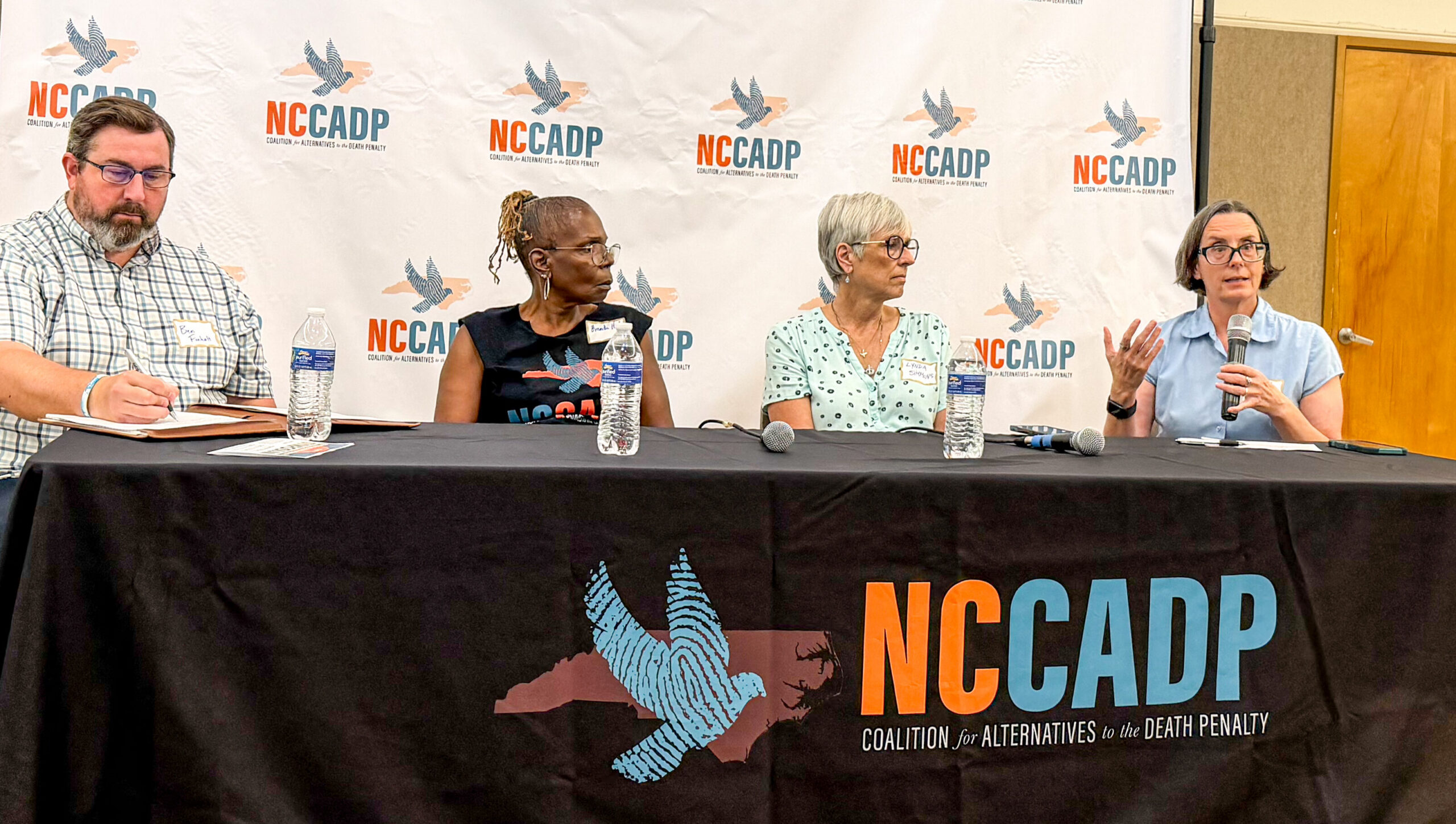
“The divide, the great divide. The good side, the bad side,” Brenda said. “Unfortunately, I was on the bad side.”
During Cerron’s trial, Brenda was kept apart from the victim’s family. Even leaving the courtroom reinforced the separation.
“I couldn’t even express my condolences to the family,” she said. “I couldn’t say that I was sorry, which I really was.”
Although Lynda had entered the courtroom from the other side of the aisle, she found that the system left little room for her, too.
“I thought I had rights and a voice as a victim, and I really didn’t,” she said.
“There’s no winners here today,” Lynda remembered telling the grandmother of the man who murdered her son. “Nobody won.”
Years later, Lynda and Brenda sat beside one another at the symposium. Both are members of NCCADP’s Survivor Family Engagement Group, where homicide victim family members, death row exonerees, and people with loved ones who have been executed or sentenced to death build relationships across experiences that are often treated as opposing.
Brenda spoke about how striking it still was to her that a victim family member had received her. Lynda responded.
“My heart always cramps a little when I hear Brenda, and she says, ‘Someone like Lynda accepts me,’” she said. “She has no idea how much she’s done for me and my healing.”
That exchange was one part of a much larger conversation. Across three panels, attorneys spoke about the resources consumed by capital cases. Death row exoneree Alfred Rivera spoke about surviving a wrongful conviction. Students joined people who have spent decades doing this work to consider what comes next.
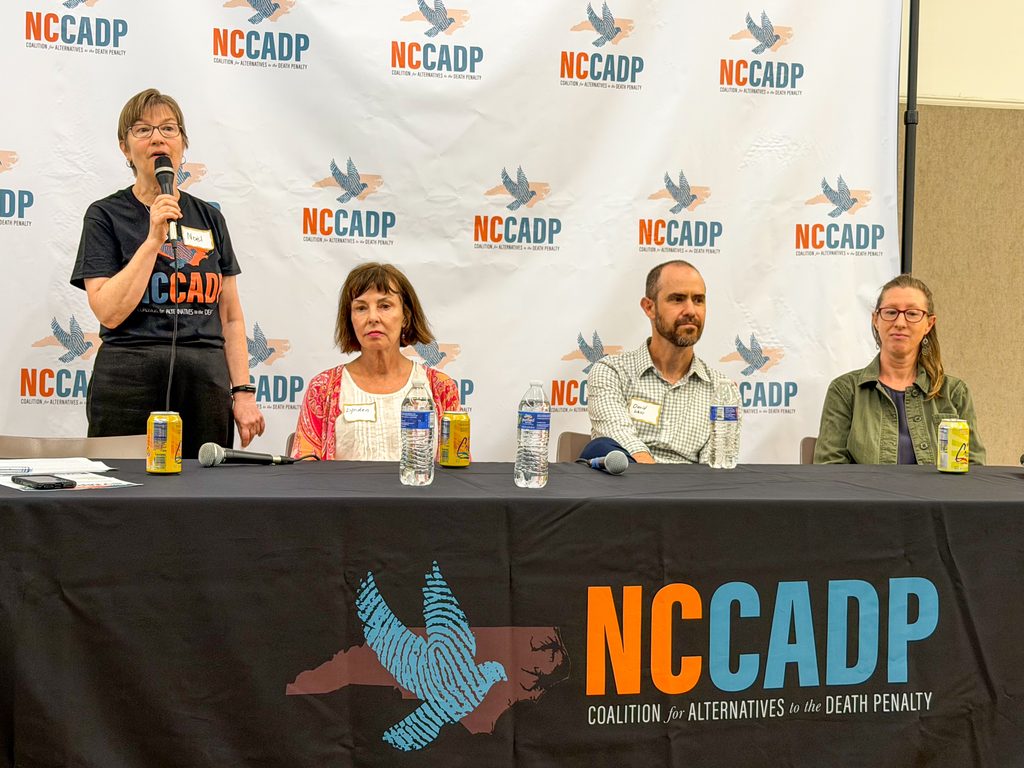
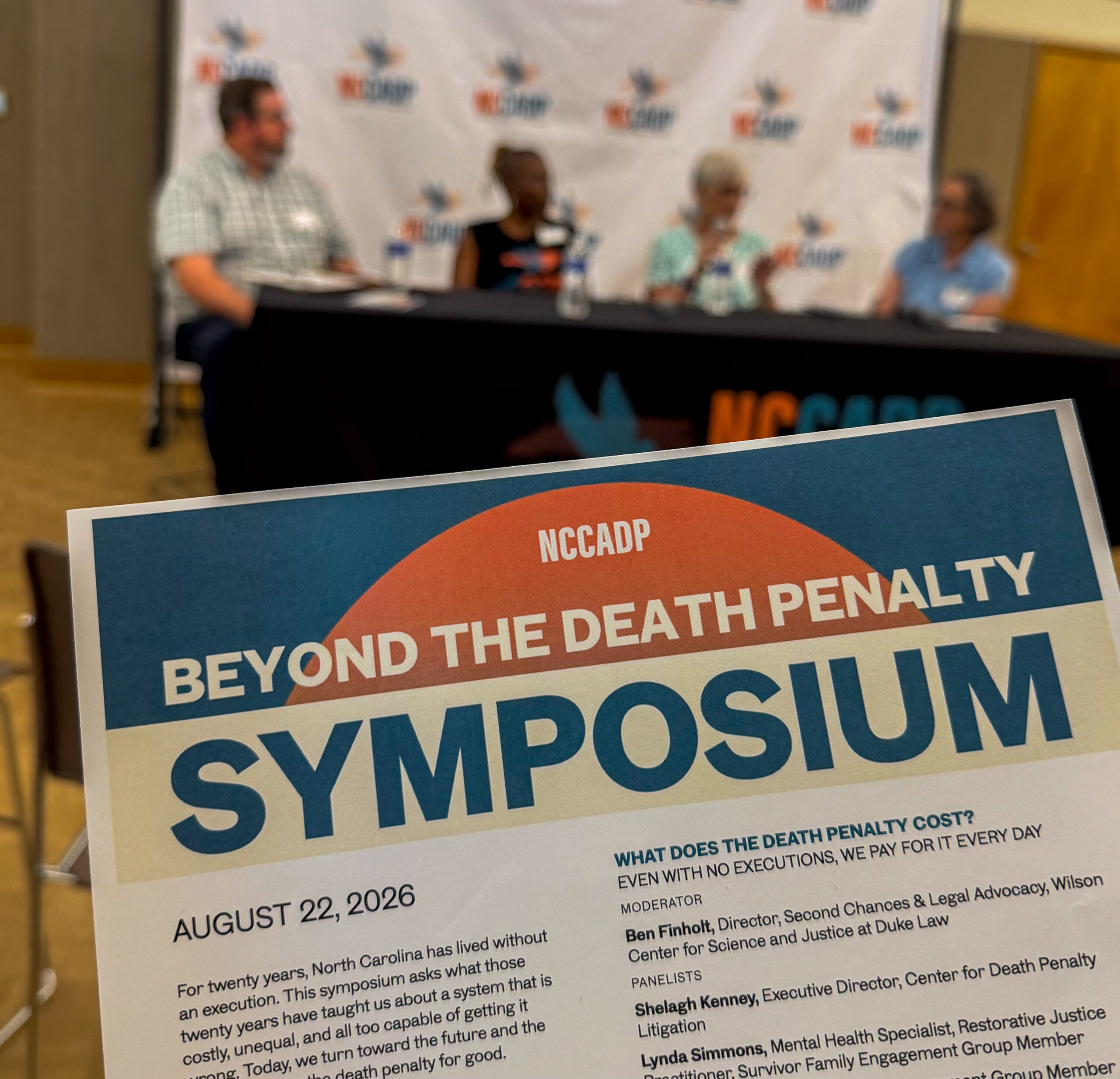
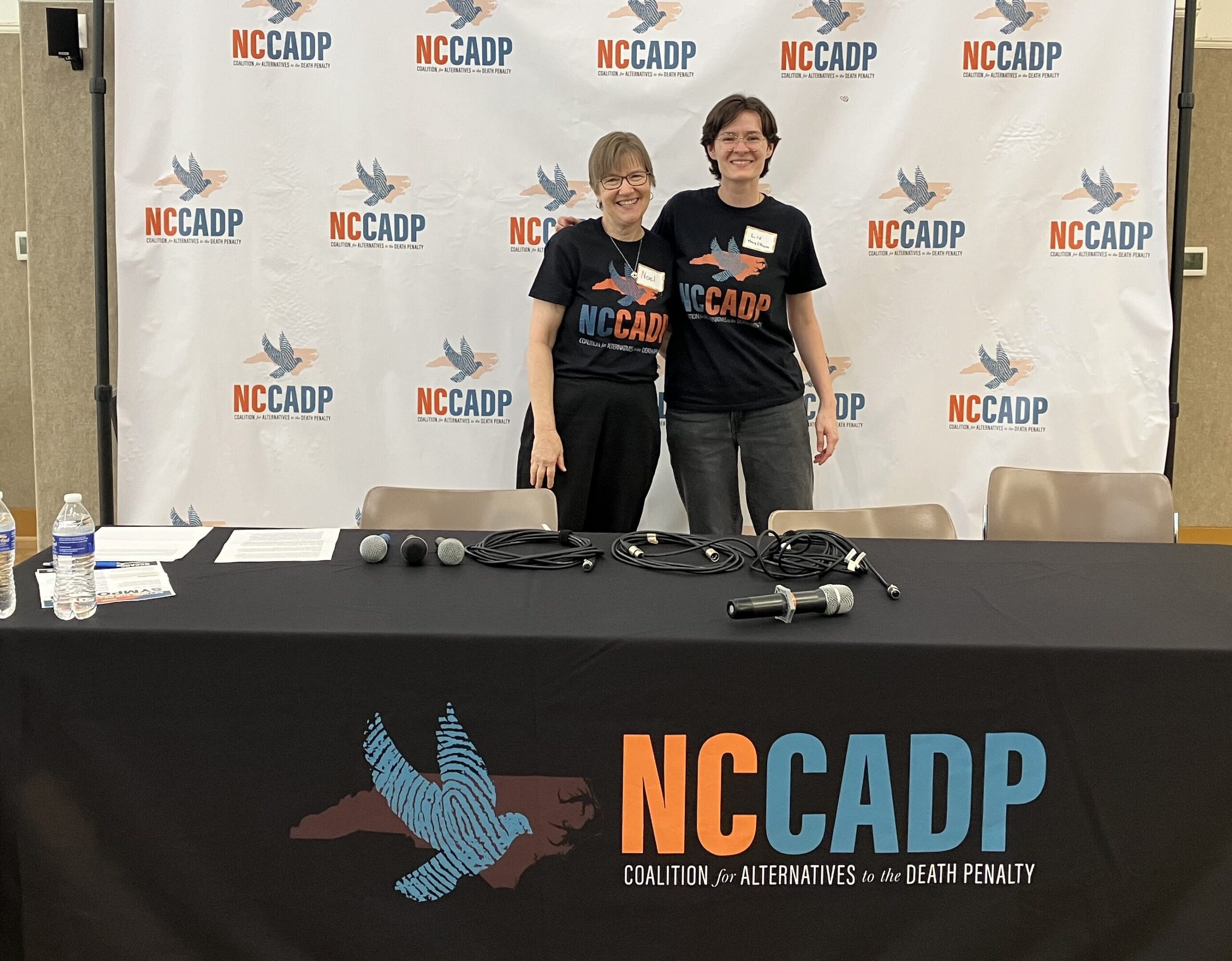
The afternoon showed how differently people encounter the death penalty and how much those experiences have to say to one another. No single story could account for the harm the system has caused or the reasons people have found to oppose it.
Lynda put it more simply.
“This is people helping people, and the system keeps that from happening with that divide.”
You can watch the full symposium here.
Looking Ahead
North Carolina has now lived for 20 years without an execution. Death sentences have become increasingly rare, and five people have been exonerated from death row during that time.
But the death penalty is still with us. There are 122 people on death row, and recent changes to state law have created new pathways for executions to resume.
The question now is what we do with these 20 years.
At the symposium, murder victim family member Megan Smith reflected on what she has seen in North Carolina.
“I feel like North Carolina is a really, really, really special place with a group that has broken down barriers that have been really intentionally placed,” she said.
Those barriers are not gone. Neither is the death penalty.
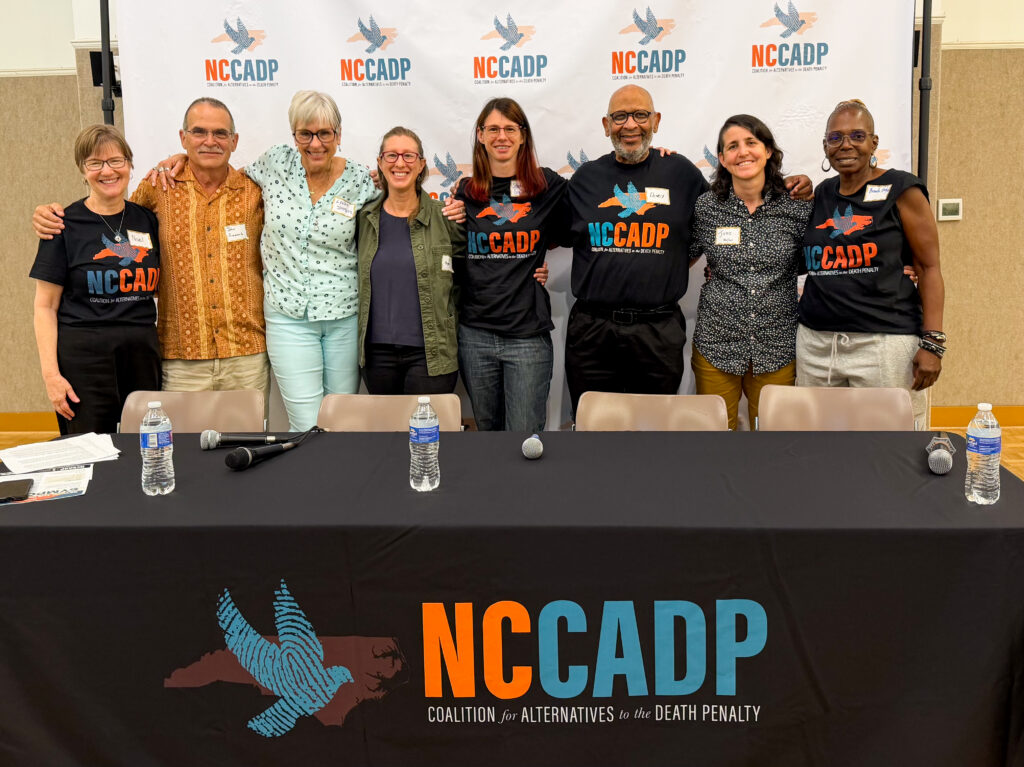
Twenty years without executions have shown us how much can change when we refuse the divisions created by the death penalty. The vigil and symposium brought people across those divisions into the same rooms, listening to one another and finding common cause.
We left with renewed energy for the work ahead and gratitude for the people who have brought North Carolina this far.
Ending the death penalty will take all of us.
With Gratitude
These gatherings were made possible by the generous sponsors who invested in this moment and in this movement to end the death penalty in North Carolina. We are incredibly grateful for their support.
See our 20th anniversary sponsors.