On August 18, 2026, North Carolina reached 20 years since its last execution.
An entire generation has grown up without an execution in our state, though capital punishment remains legal. Twenty years later, we know more about what the death penalty gets wrong and what North Carolina gains by leaving executions behind.
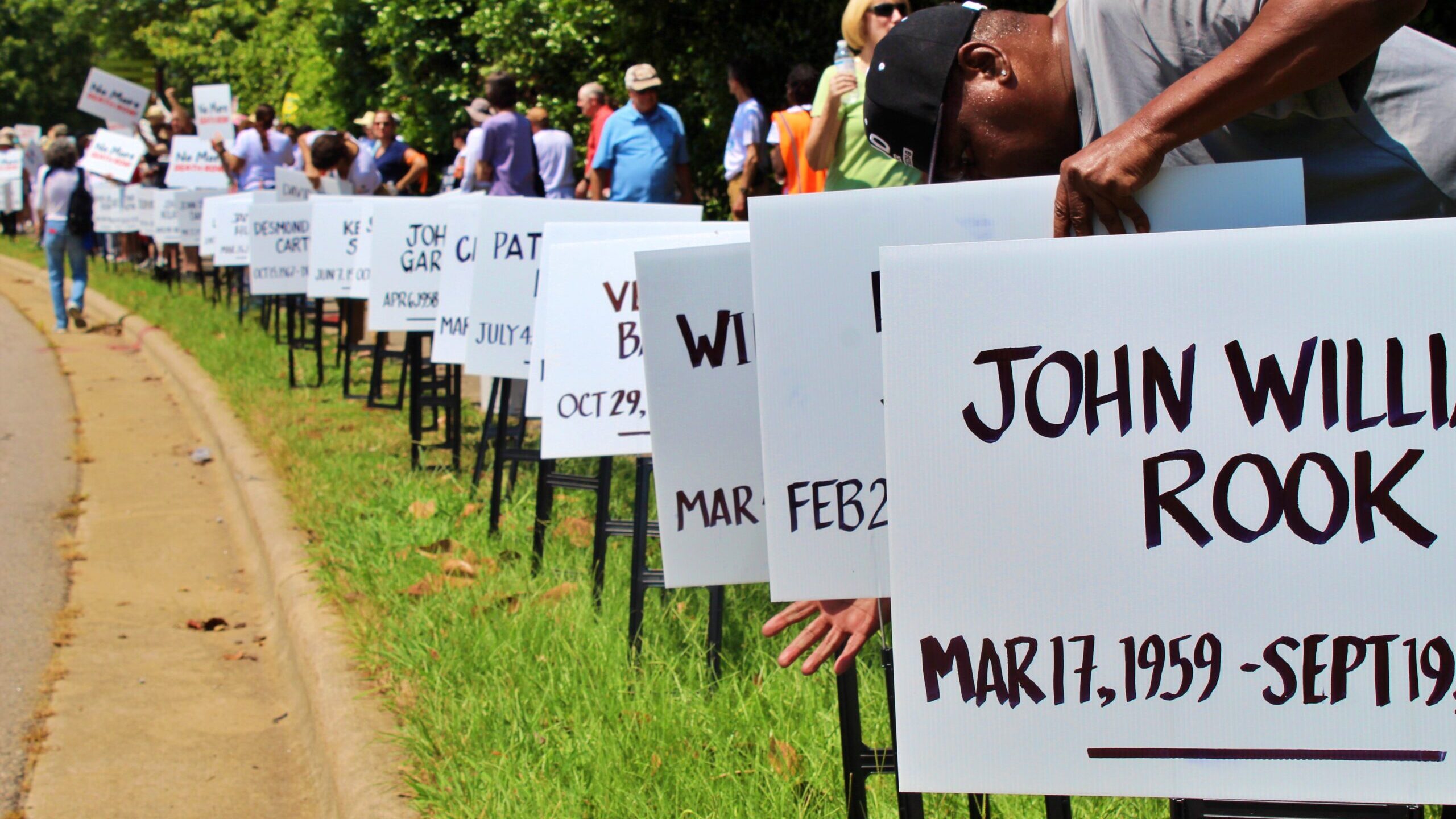
What 20 Years Have Shown Us
We do not need executions to stay safe.
Violent crime has fallen substantially since North Carolina’s last execution. In 2006, the state recorded 483.5 violent crimes per 100,000 residents. By 2024, that rate had fallen to 388.4 per 100,000, a decrease of nearly 20%.
For 20 years, North Carolina has held people accountable for serious harm without putting anyone to death.
Race still shapes the death penalty.
North Carolina courts have found overwhelming evidence of racial discrimination in capital cases. In 2025, Judge Wayland Sermons found that race was a significant factor in Hasson Bacote’s death sentence, including in jury selection and the decision to sentence a Black man to death. He also found that racial discrimination extended beyond Bacote’s case to death sentences in Johnston County and the prosecutorial district that included Harnett and Lee counties.
Race also affects who gets to sit on a capital jury. A 2022 study of 10 Wake County death penalty trials found that death qualification excluded 25% of otherwise eligible Black jurors, compared with 11% of white jurors. Black women were excluded at an even higher rate, at 36%.
The death penalty system still gets it wrong.
Since North Carolina’s last execution in 2006, five people have been exonerated from death row. Today, North Carolina has 12 death row exonerees in the modern death penalty era, one of the highest totals in the country.
Five exonerations mean five people were wrongly sentenced to die. A wrongful conviction can be overturned. An execution cannot.
How We Marked 20 Years
What have we learned?
Exoneree Alfred Rivera, criminal defense attorney Henderson Hill, and UNC professor Dr. Seth Kotch explore what North Carolina has learned in 20 years without executions.
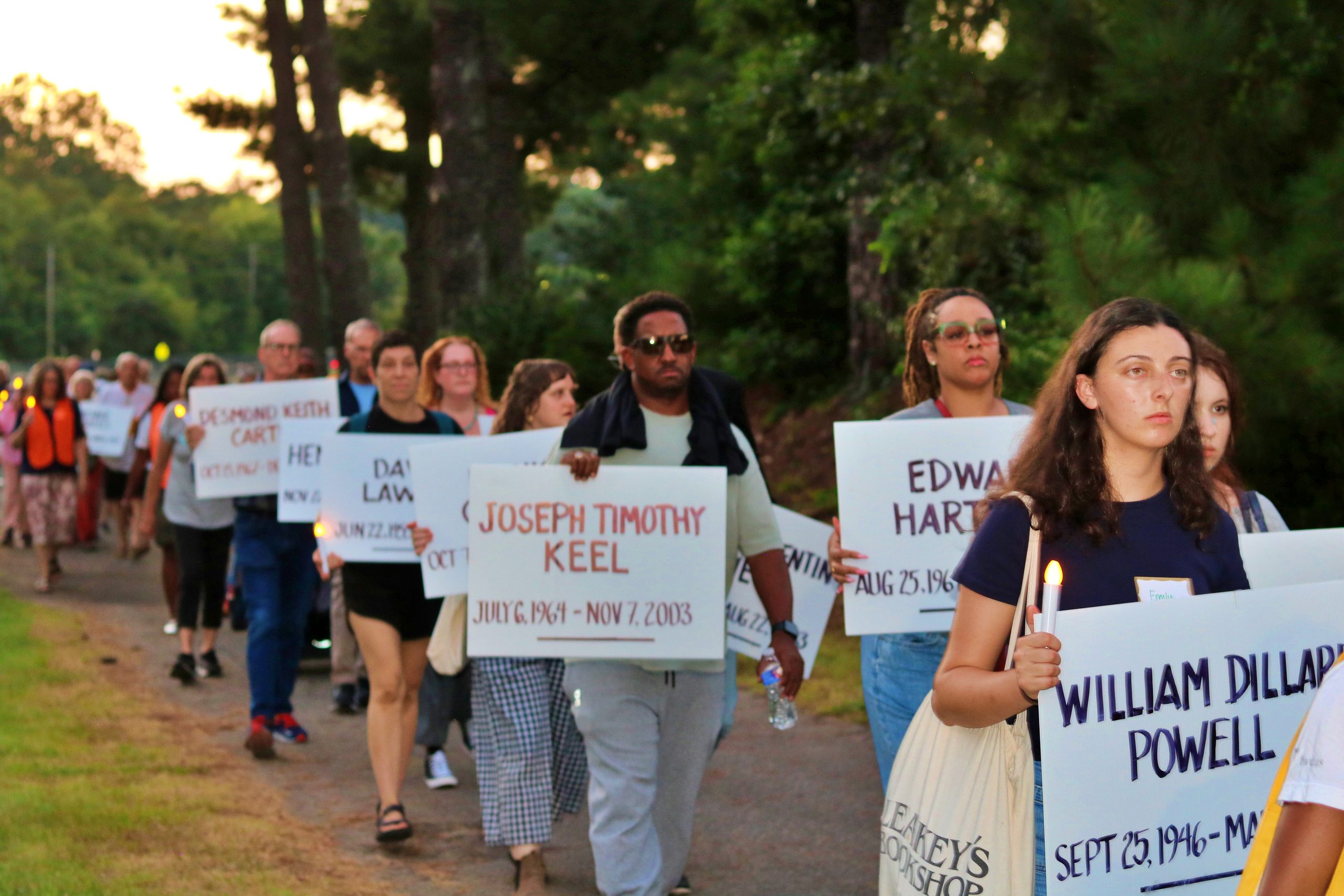
Bearing Witness
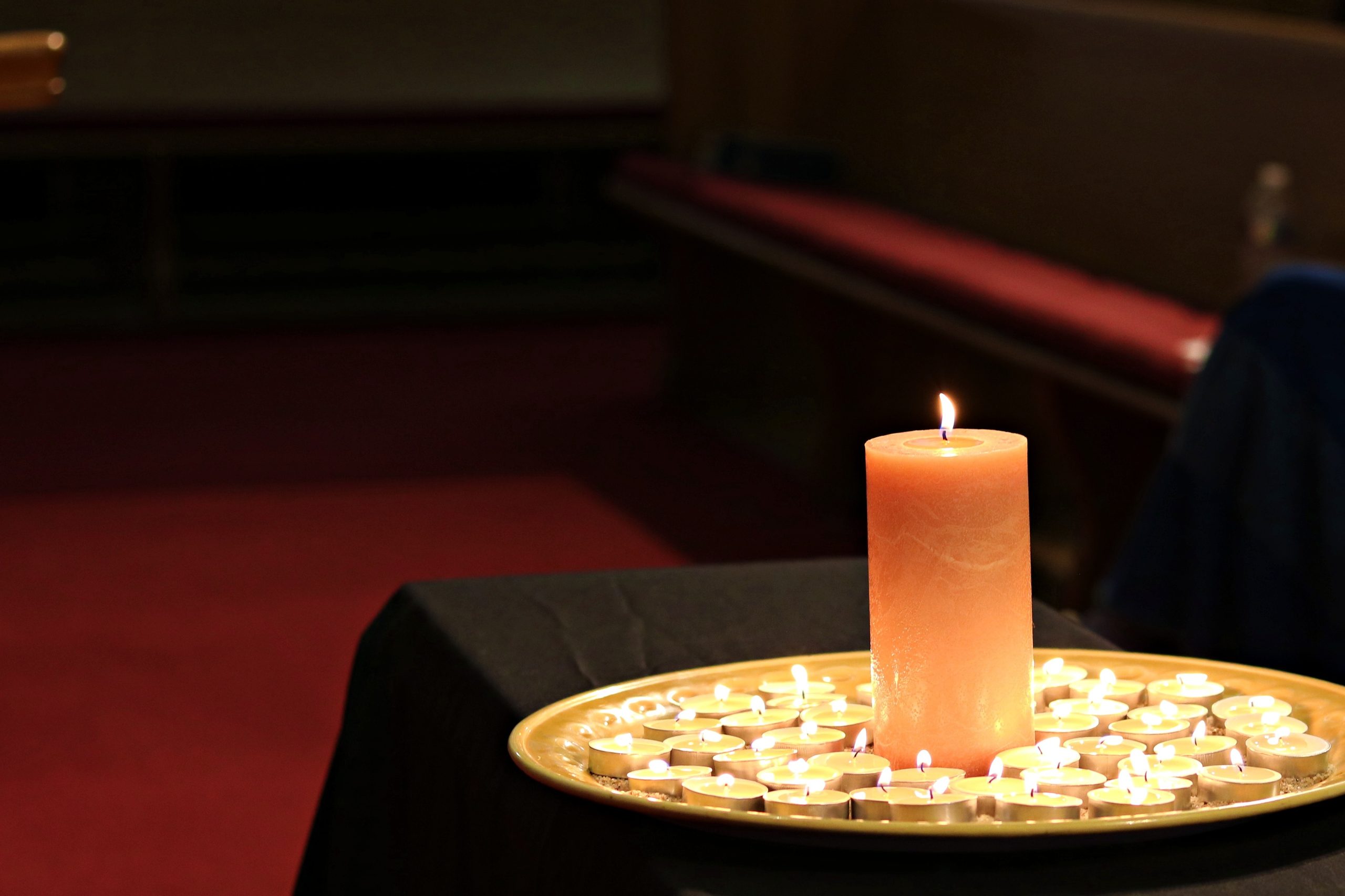
An interfaith service at Pullen Memorial Baptist Church and a candlelight vigil at Central Prison on the 20th anniversary of the last execution.
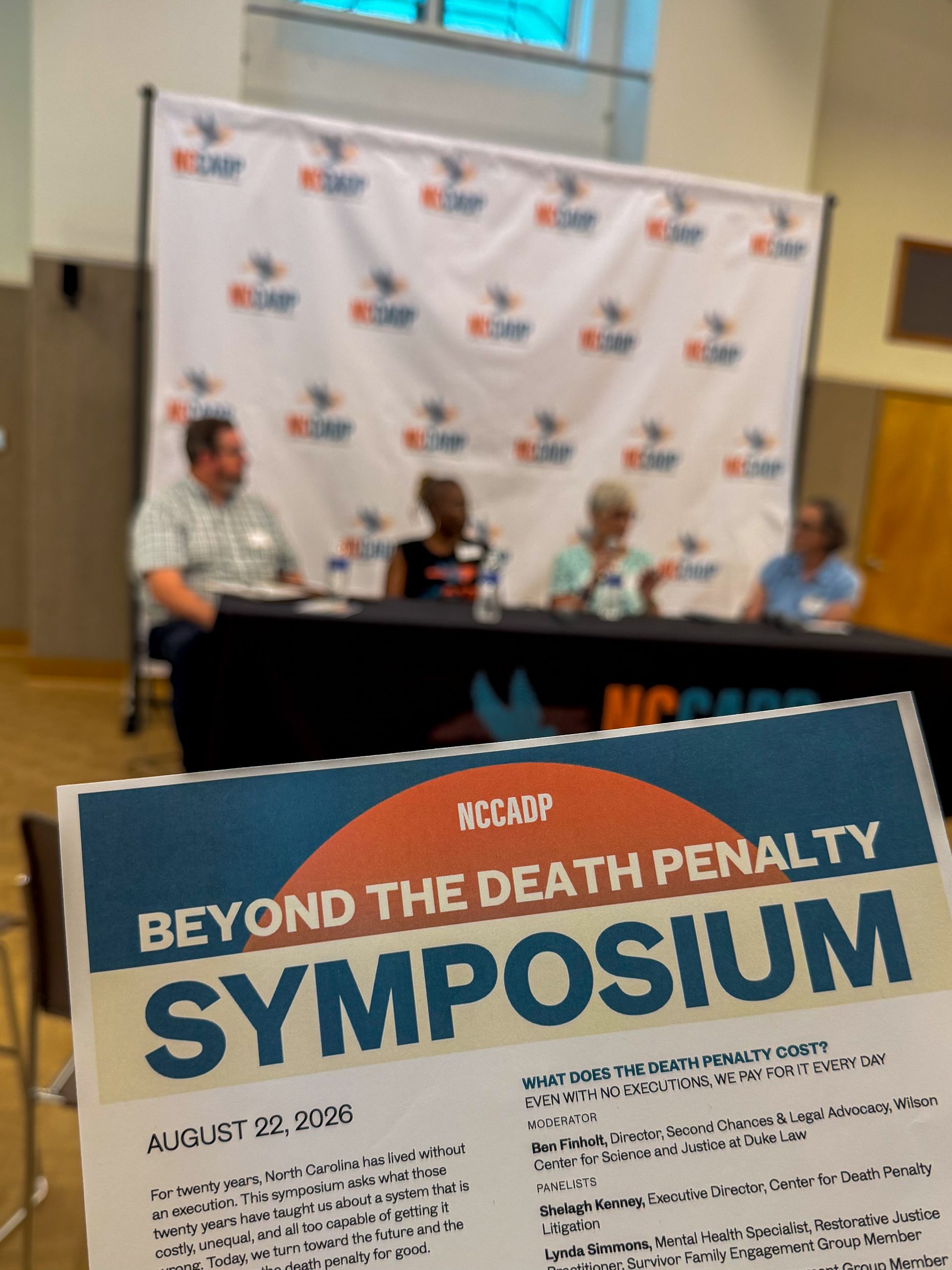
Beyond the Death Penalty
In a public symposium, directly impacted people and other experts consider the impacts of 20 years without executions and what comes next for our state.
More Than 100 Leaders Called for an Execution-Free Future
More than 100 organizations and leaders across North Carolina signed a statement calling on state officials to move permanently beyond the death penalty.
The signers included faith leaders, community organizations, legal experts, educators, and current and former public officials. Twenty years after the last execution, they agreed that North Carolina should never go back.
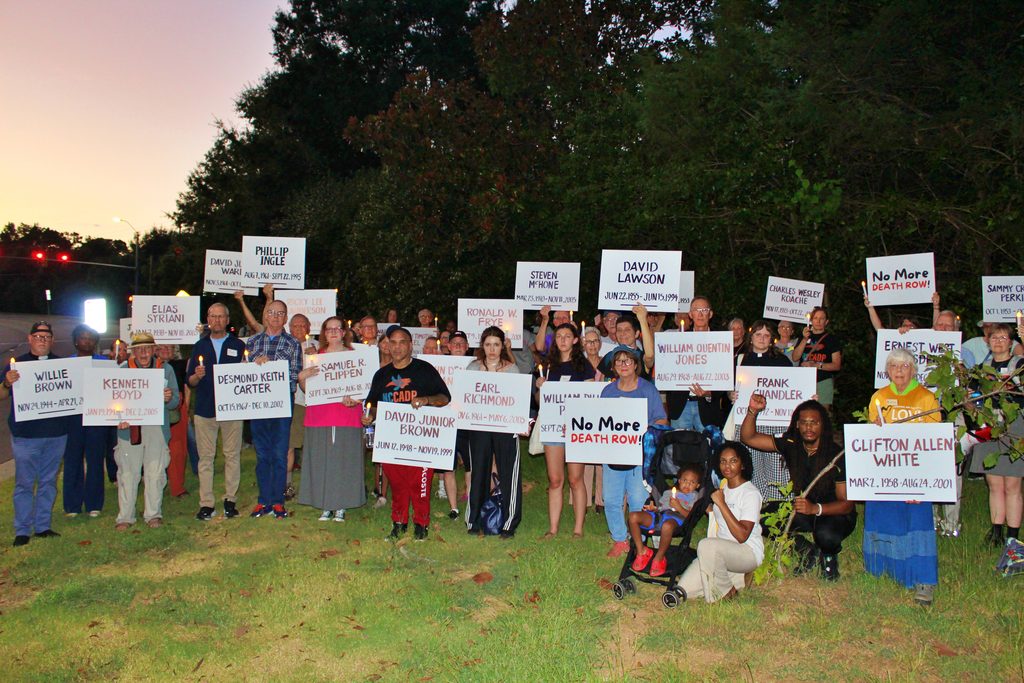
WHERE WE GO FROM HERE
Twenty years without an execution does not mean executions cannot return. North Carolina still has more than 120 people on death row. A law passed in 2025 accelerated the review of capital cases and opened new paths for the state to resume executions.
We know more now than we did 20 years ago. We know executions are not necessary for public safety. We know innocent people are sentenced to death. We know race still influences who receives a death sentence.
North Carolina has lived without executions for a generation. Now we have to make sure they never return.
HELP KEEP NORTH CAROLINA EXECUTION-FREE
The next chapter will depend on people across the state speaking out against executions and building support for an end to the death penalty.

JOIN US