Subscribe to Our Newsletter

This field is for validation purposes and should be left unchanged.
Name(Required)
Email(Required)
Address(Required)
Check all that apply:

  • Skip to main content
  • Skip to footer

NC Coalition for Alternatives to the Death Penalty

Committed to ending the death penalty and creating a new vision of justice

  • Who We Are
    • Mission & History
    • Our Values
    • People Most Proximate
    • Coalition Members
    • Staff, Board, & Advisory Council
    • Our Funders
  • What We Do
    • Commutations Campaign
  • Why End the Death Penalty?
    • Column 1
      • Racism
      • Innocence
      • Intellectual Disability & Mental Illness
    • Column 2
      • Public Safety
      • High Cost of Death
      • Waning Support
    • Column 3
      • Lethal Injection
      • Antiquated Sentences
      • Unfair Trials
  • Events
  • 20 Years With No Executions
  • Blog
  • The Pledge
  • Get Involved
  • Donate

Search NC Coalition for Alternatives to the Death Penalty

What Comes After Harm? Inside a Day of Restorative Justice

May 6, 2026 · Liv Perkins-Davenport

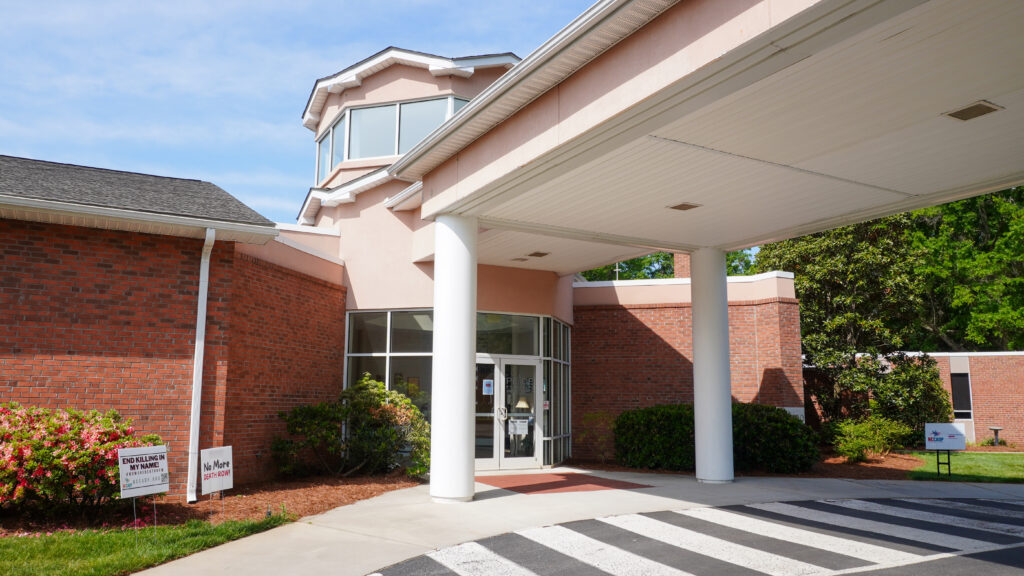
On April 25, community members from across North Carolina gathered at Peace Haven Baptist Church in Winston-Salem for Returning to the Circle, a day focused on restorative justice and collective healing.

More than thirty people joined, many with deep ties to the former Capital Restorative Justice Project. Though that effort concluded several years ago, its influence remains evident in the relationships that continue to bring people back together.

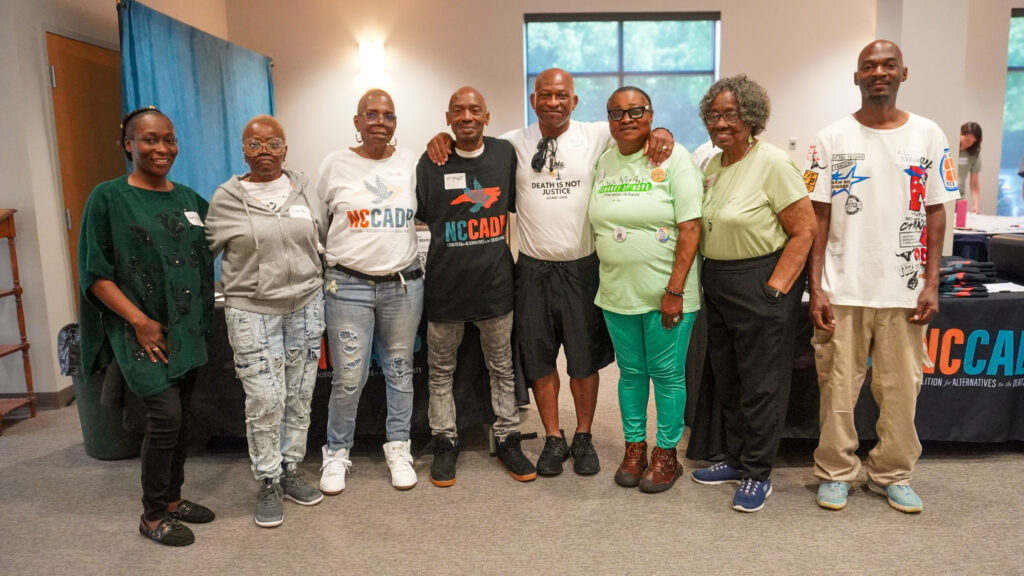
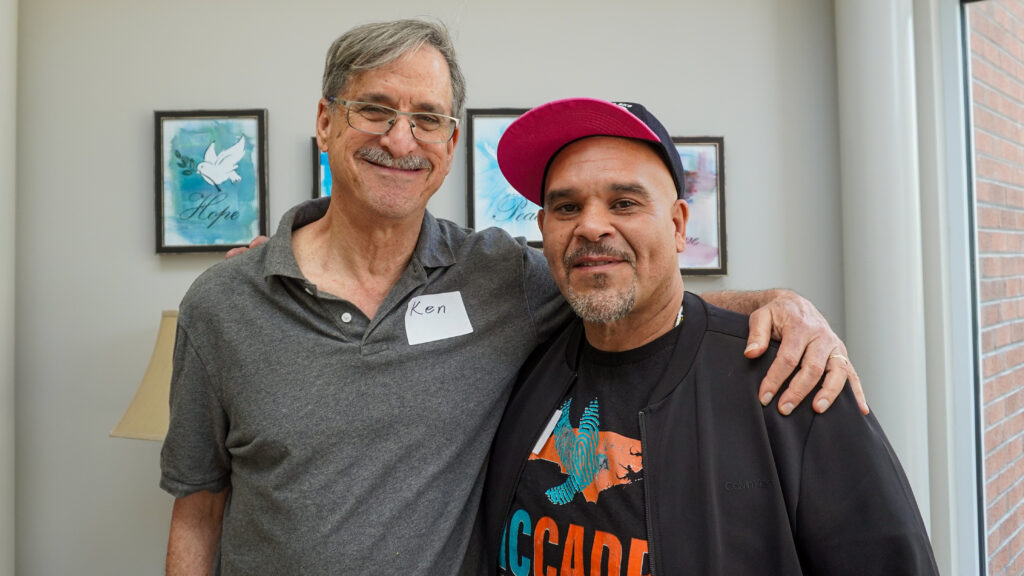
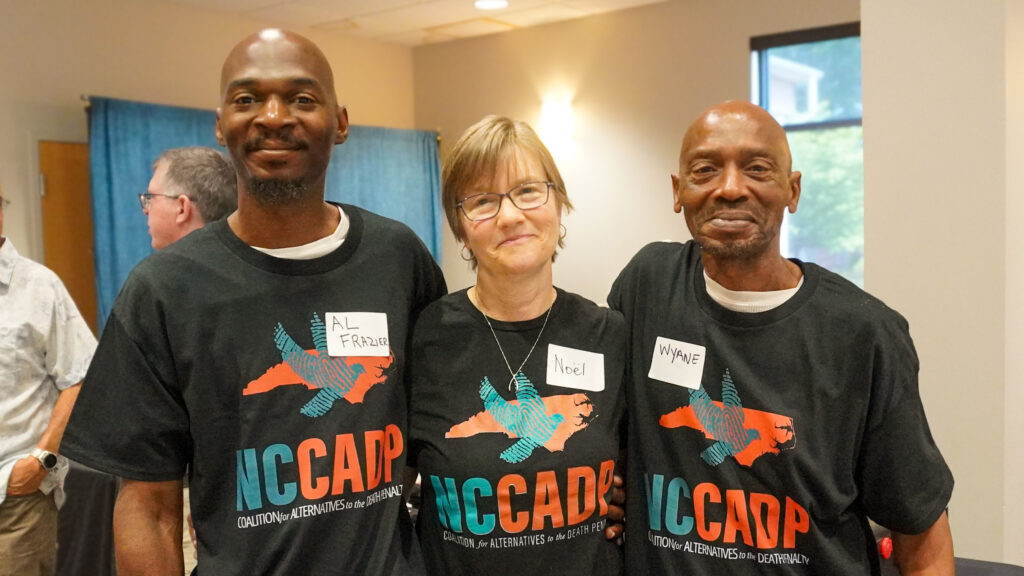
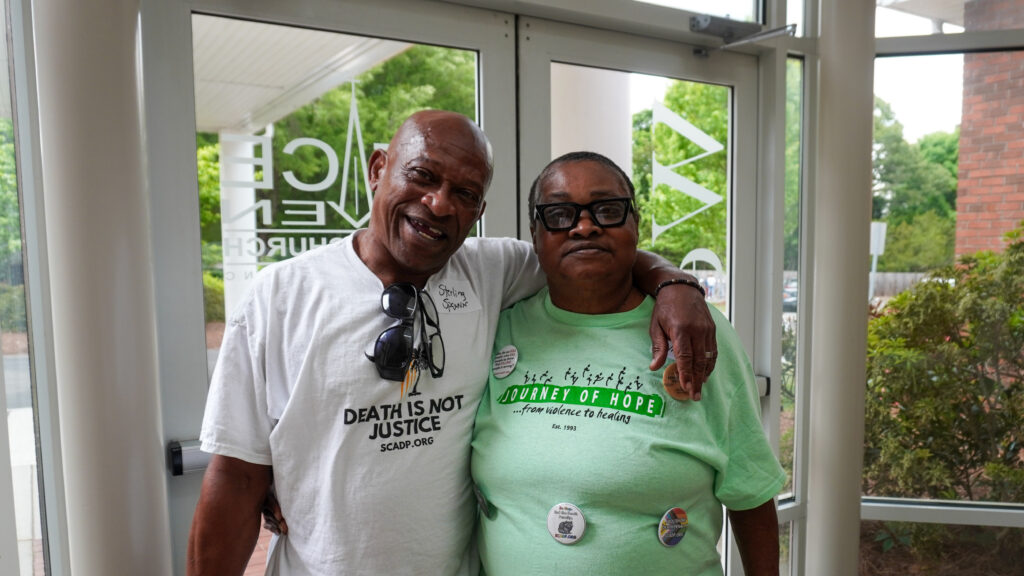
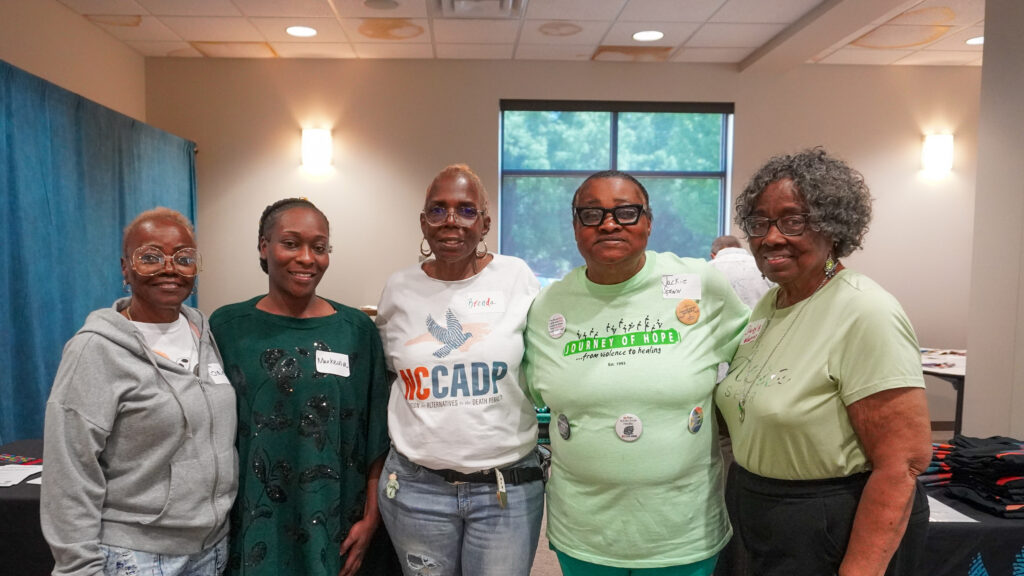
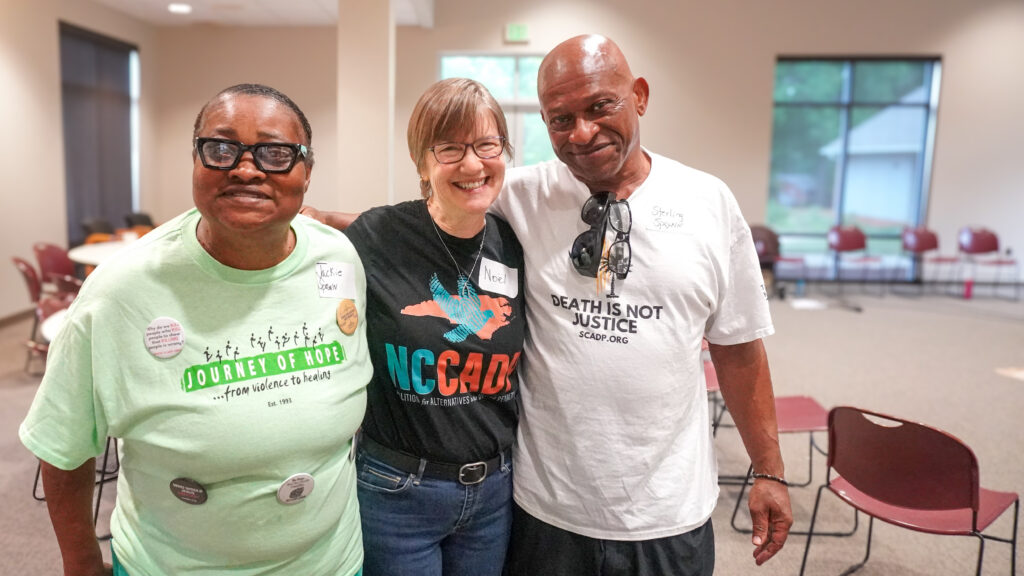
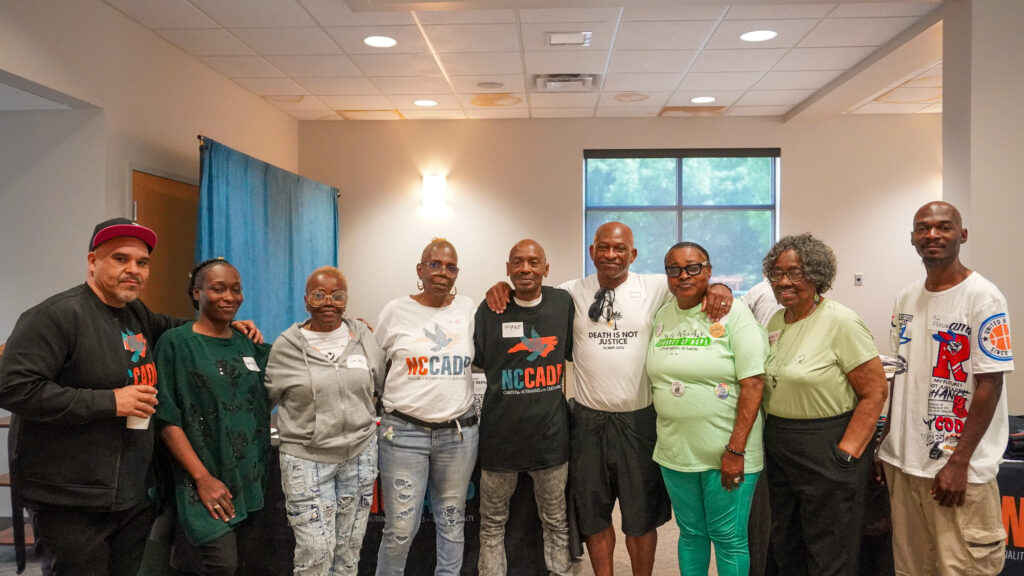
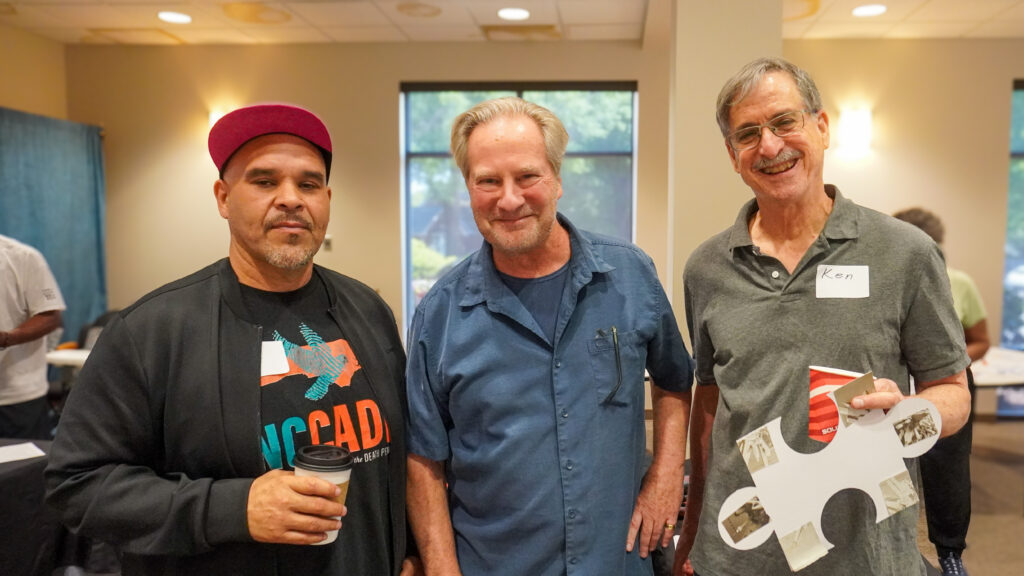
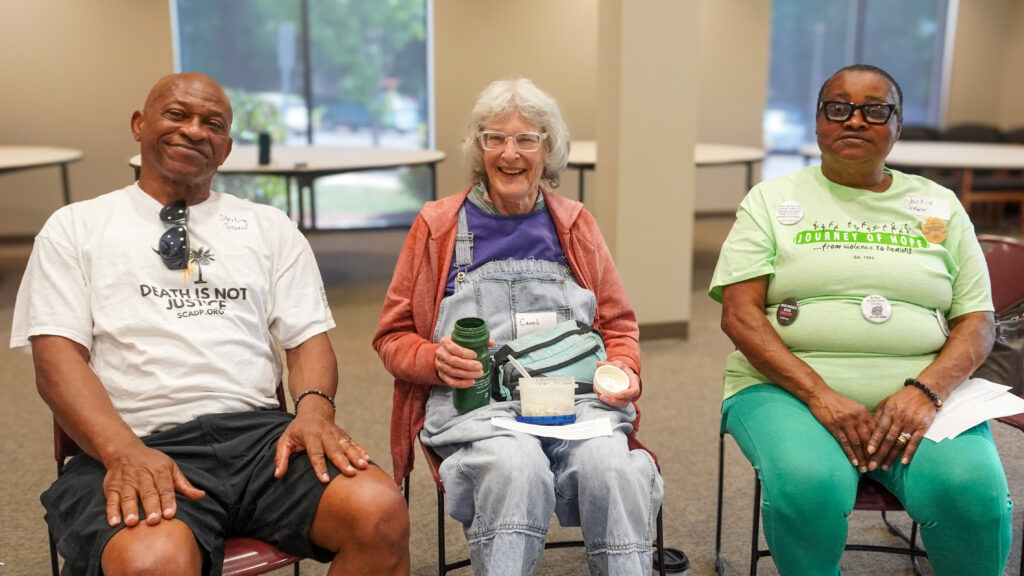
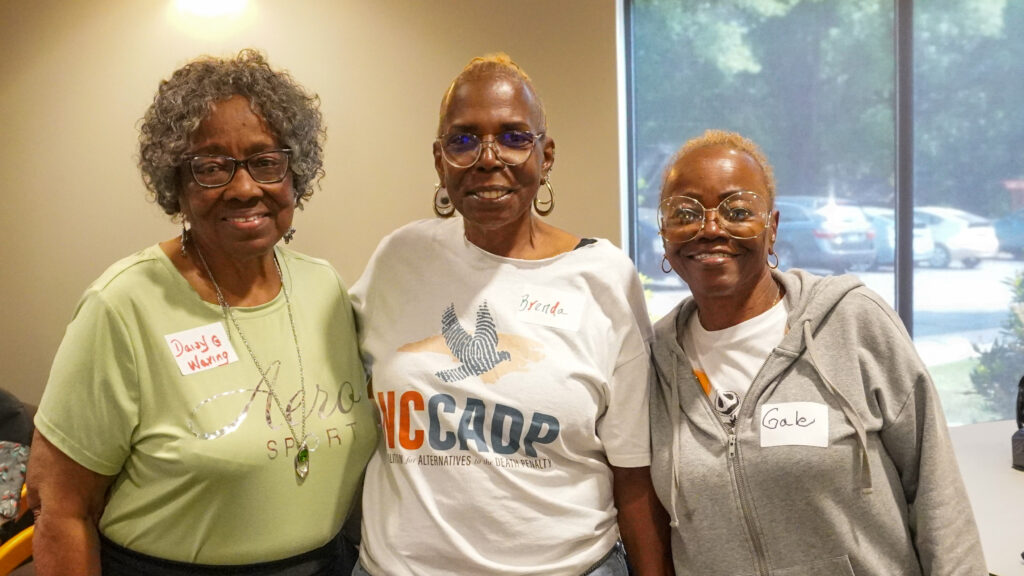
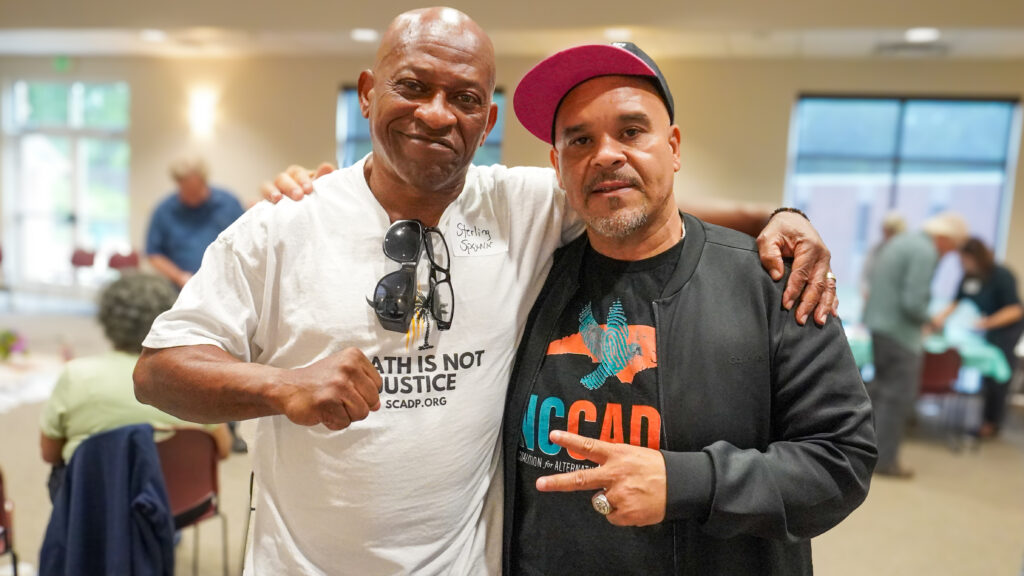
Participants traveled from across the state and beyond to attend. Death row exonerees, people whose loved ones faced execution or remain on death row, family members of those lost to homicide, and a few close friends sat shoulder-to-shoulder. The room reflected the wide reach of the death penalty.
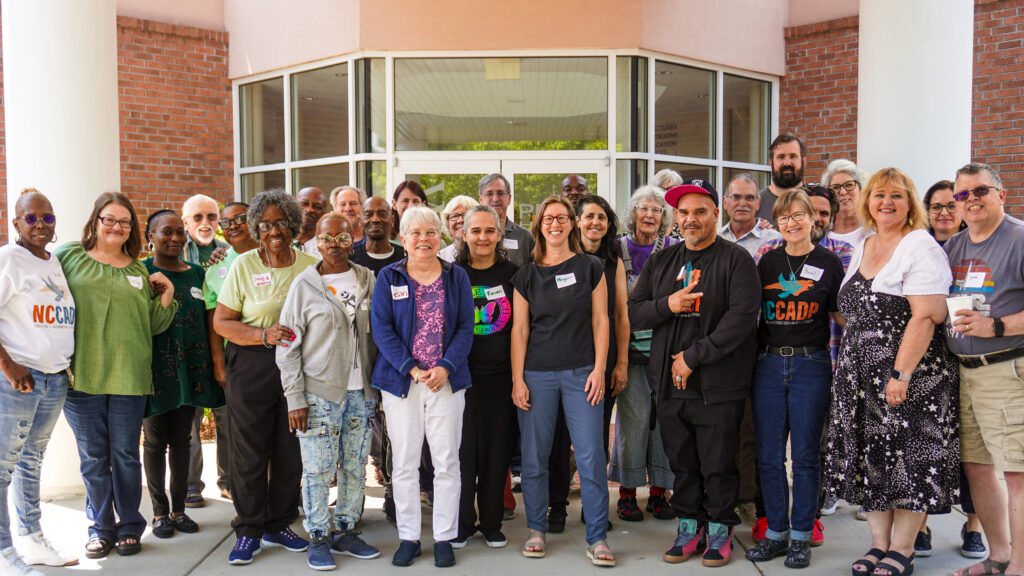
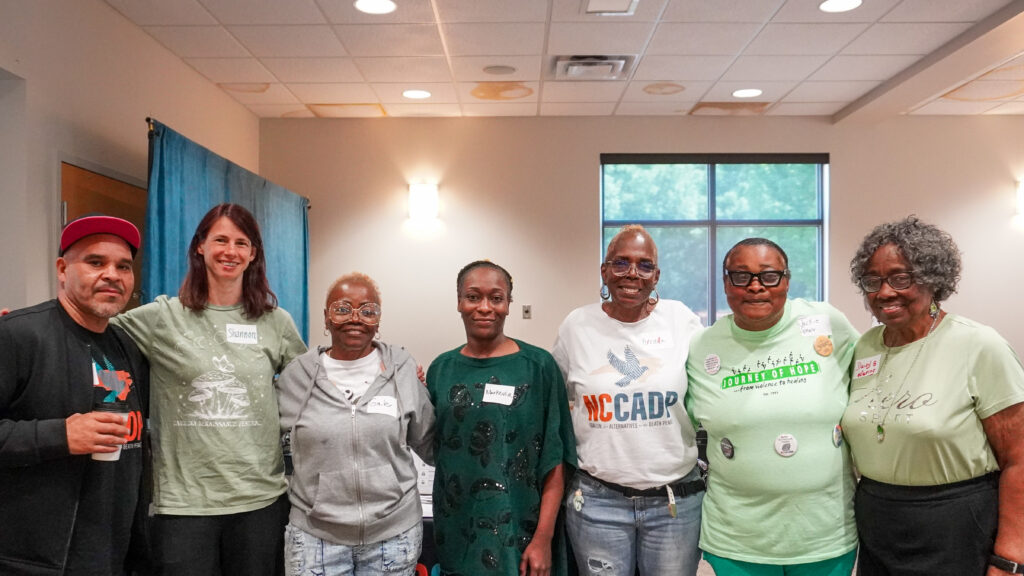
More than 30 people from North Carolina and beyond gathered on April 25th in the name of collective healing.

Several people who joined the event, exonerees and members of NCCADP’s Survivor Family Engagement Group (SFEG), regularly raise their voices of experiences to speak against the death penalty. They share their stories, their grief, and a window into some of the most difficult moments of their lives when they speak at NCCADP programs across the state. These are, without a doubt, the strongest leaders in our movement, and although they do it willingly, it is a burden. In contrast, this day was about their personal and collective healing. It was about community.

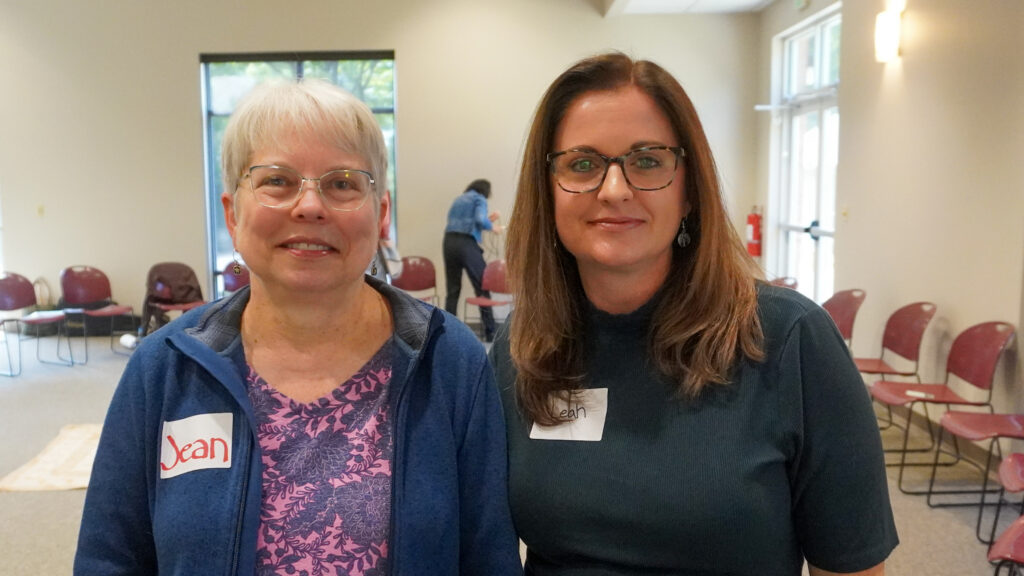
Leah Wilson-Hartgrove, Noel Nickle, and Lynda Simmons facilitated Circles throughout the day, drawing on years of experience in restorative practice and community-centered advocacy.
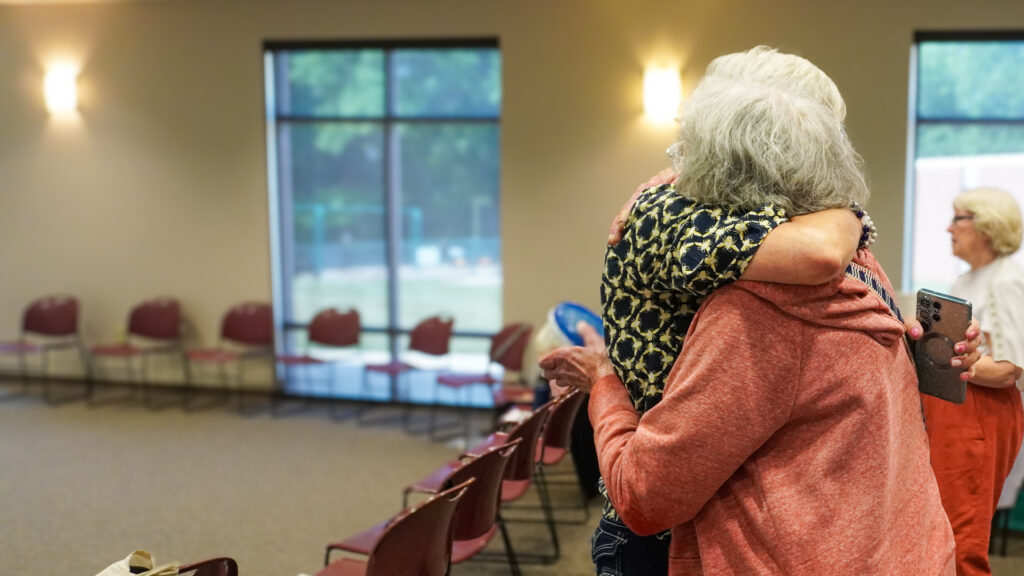
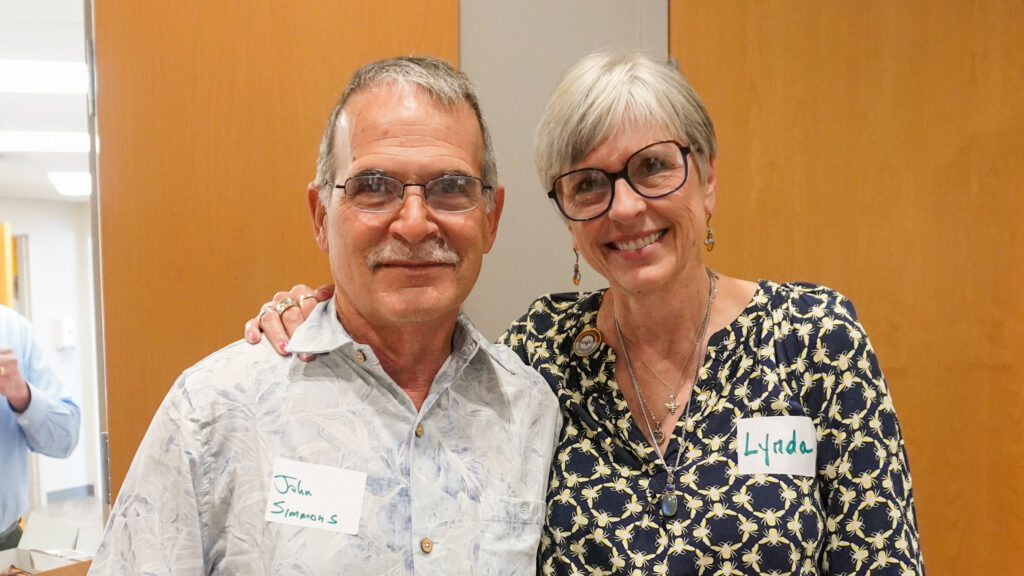
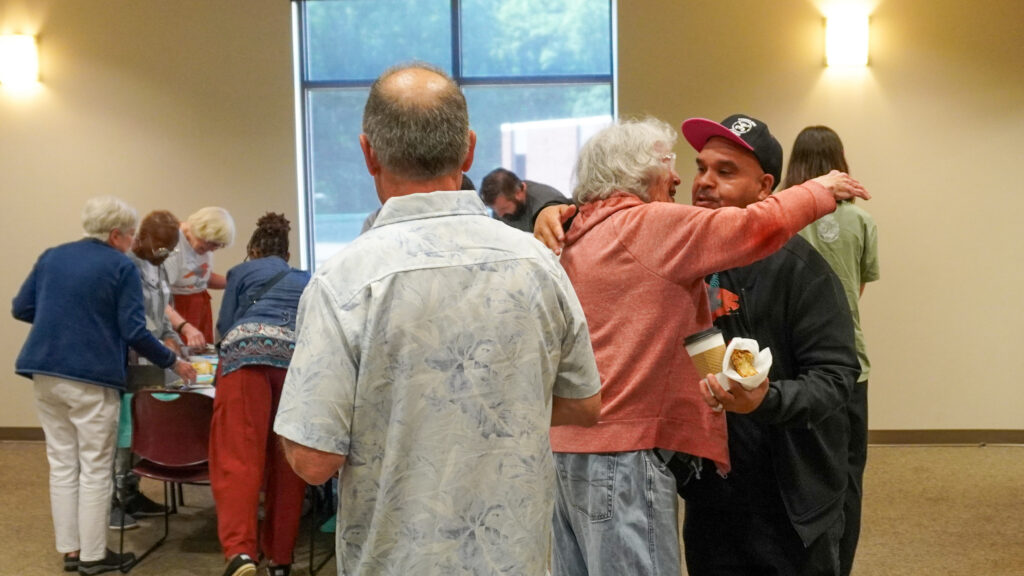
SFEG members meet monthly over Zoom. Even though their relationships span, in most cases, years, some members have never had the opportunity to meet in-person. Here, SFEG members Lynda Simmons and Carol Dreiling hug after meeting face-to-face for the first time.

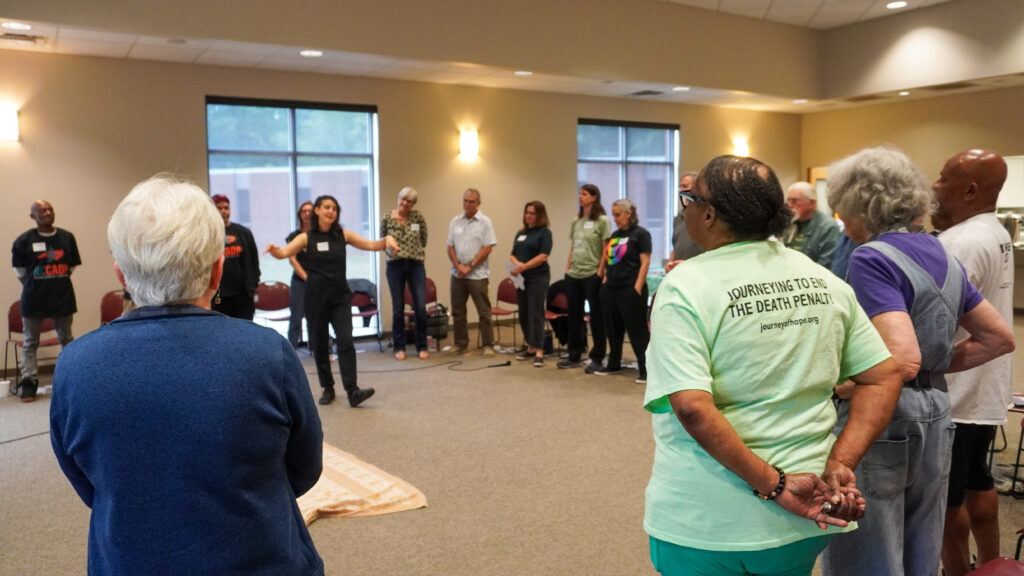
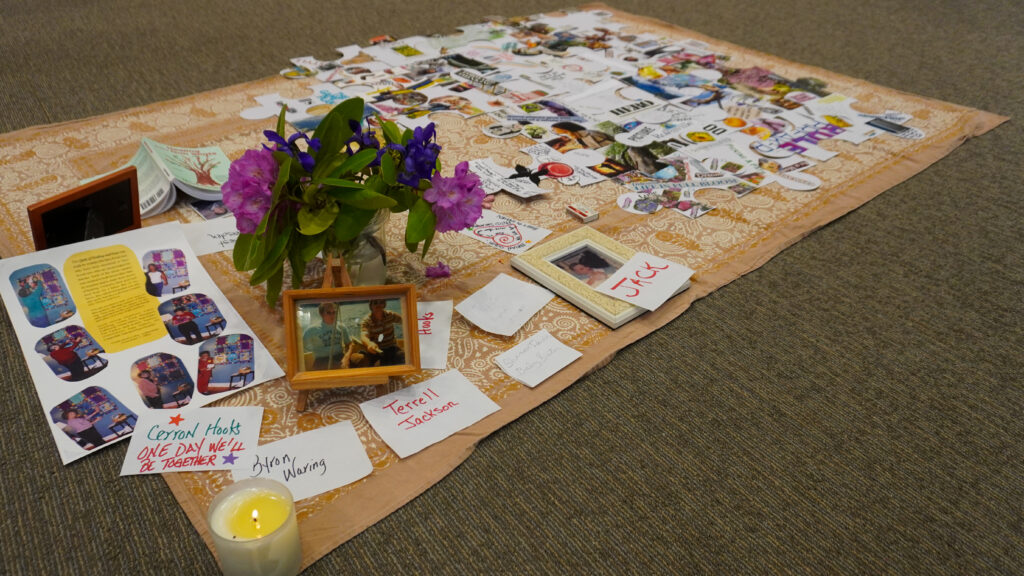
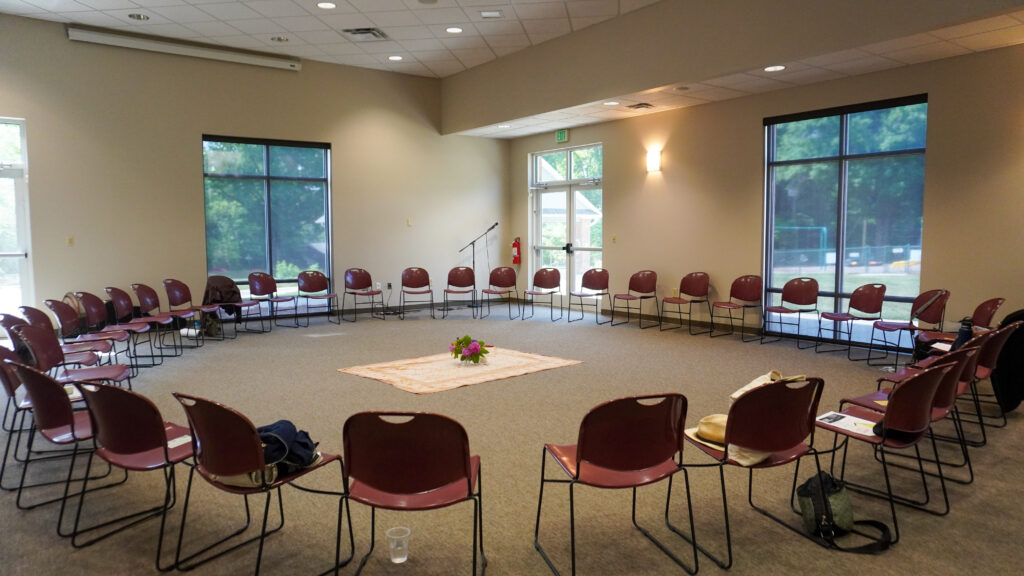
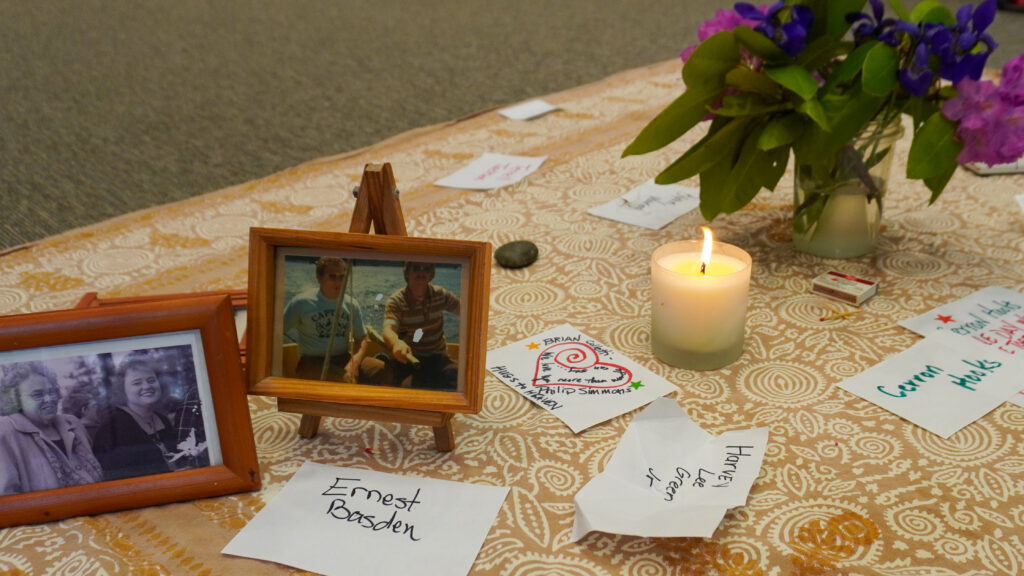
We began the day in a large Circle. One by one, people introduced themselves and named who they had come to honor through their presence. They placed photographs and mementos in the center as a memorial that remained throughout the day. The group set clear expectations for respect and presence, and Jodi McLaren led the room in song.
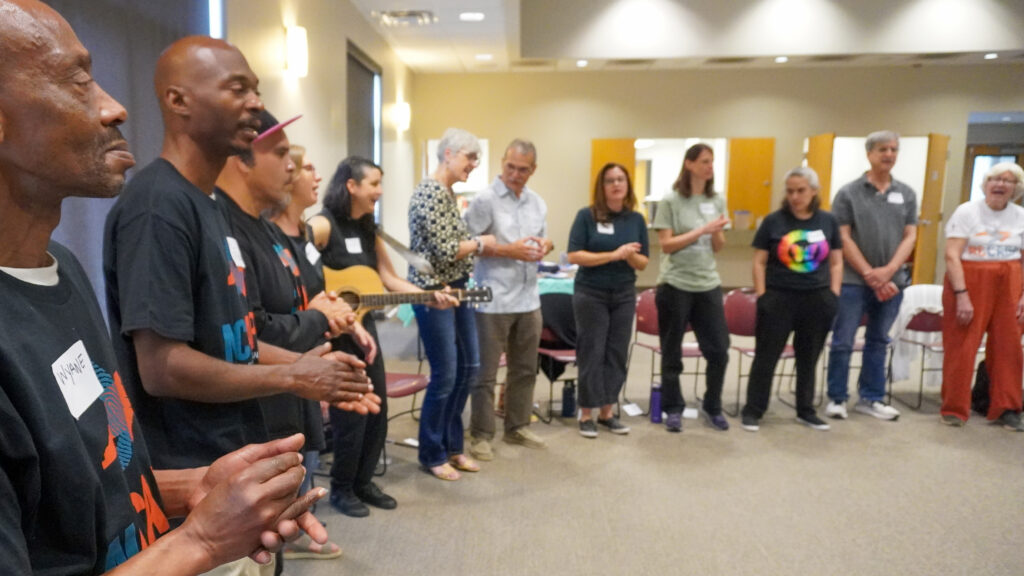
Jodi McLaren leads the Circle in song.
Participants created a memorial to honor loved ones.

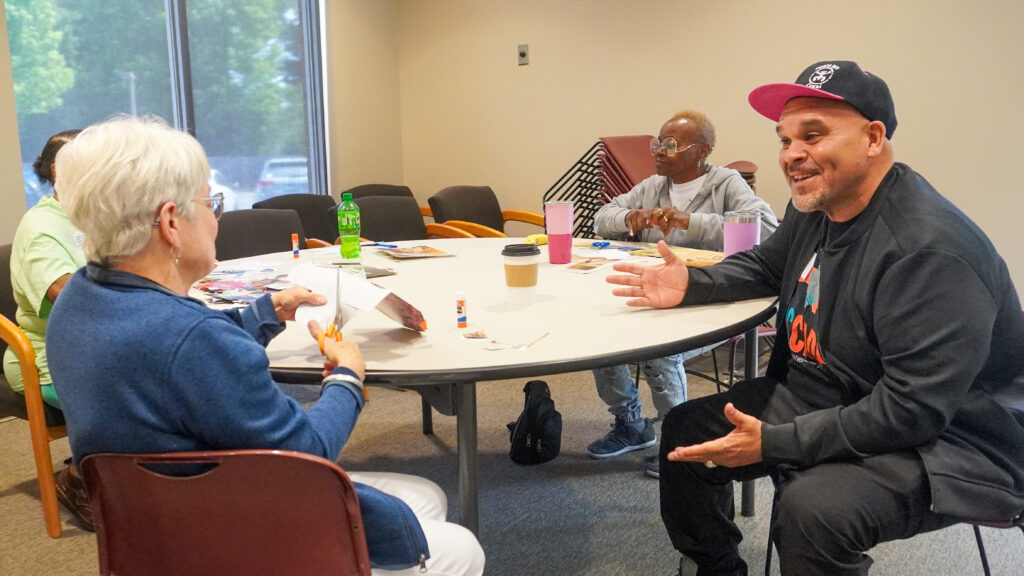
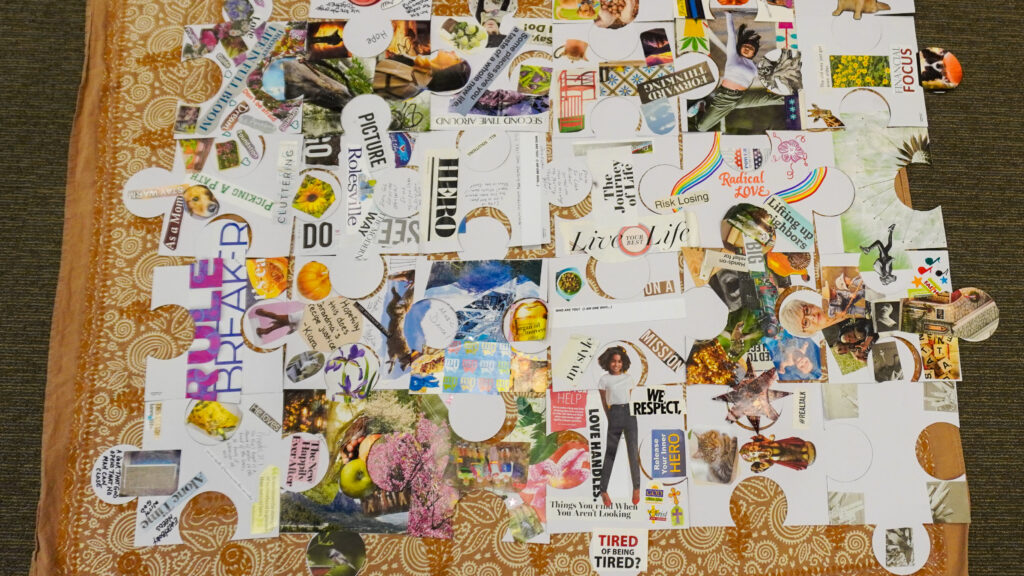
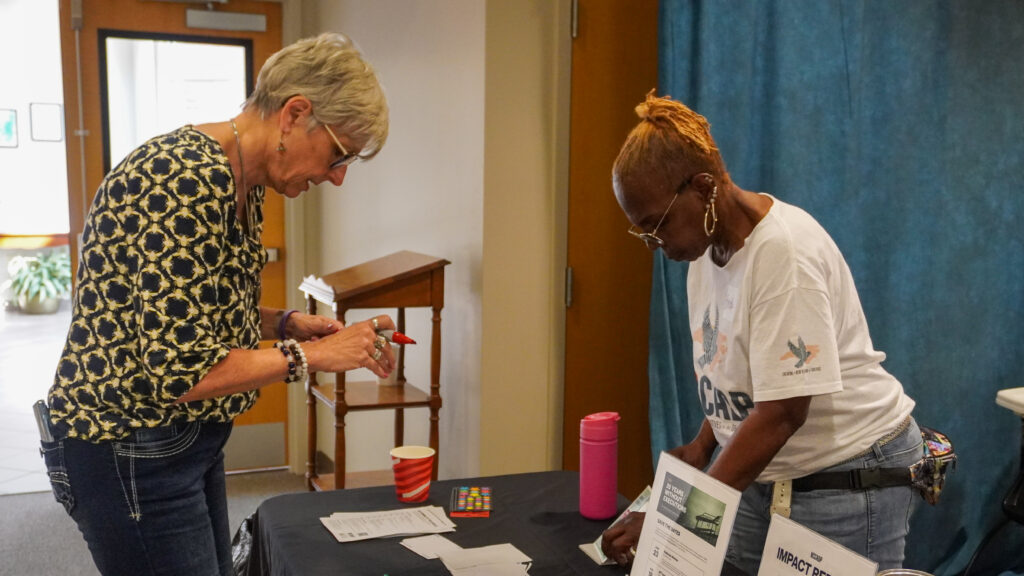
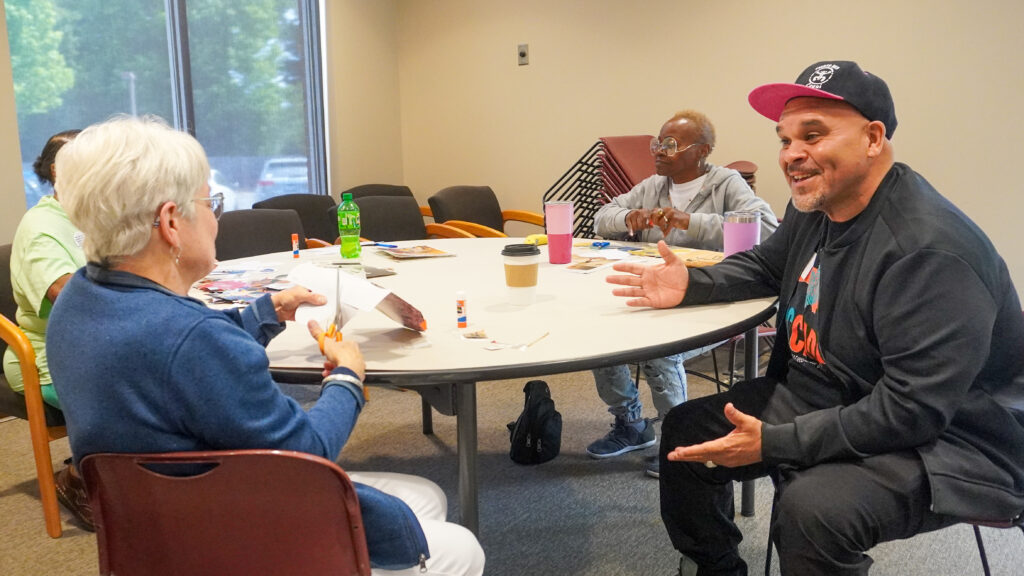
The first facilitated activity invited reflection through art. Lynda Simmons, an artist who lost her son to homicide, introduced a prompt: I am someone who… Participants created collages on puzzle piece-shaped paper using words and images that spoke to them and reflected who they are.

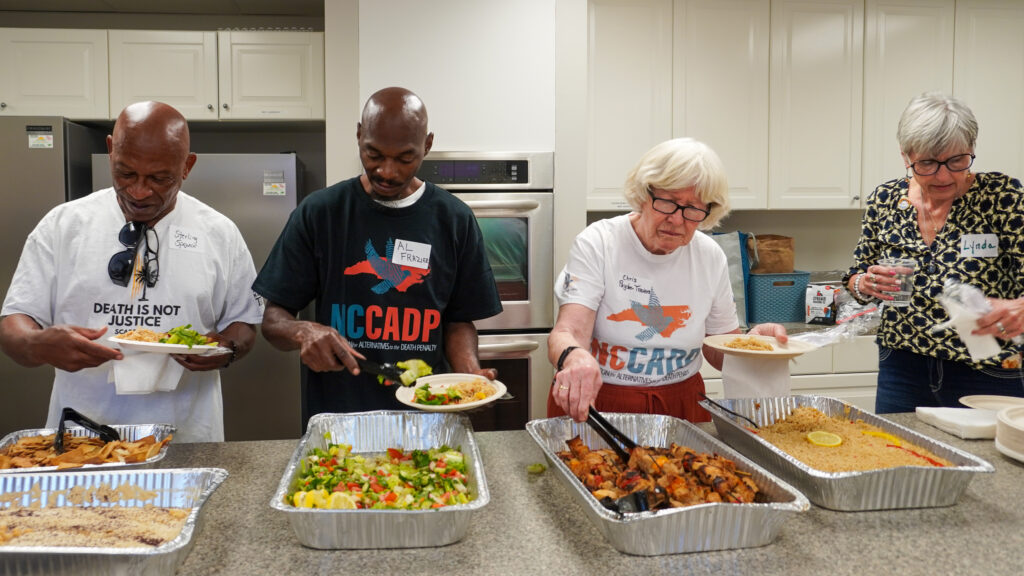
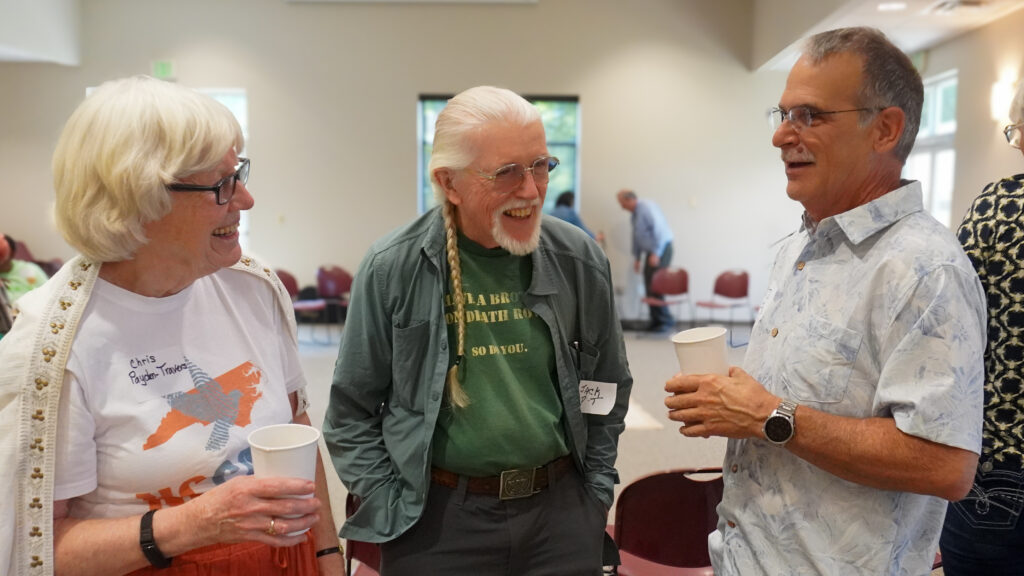
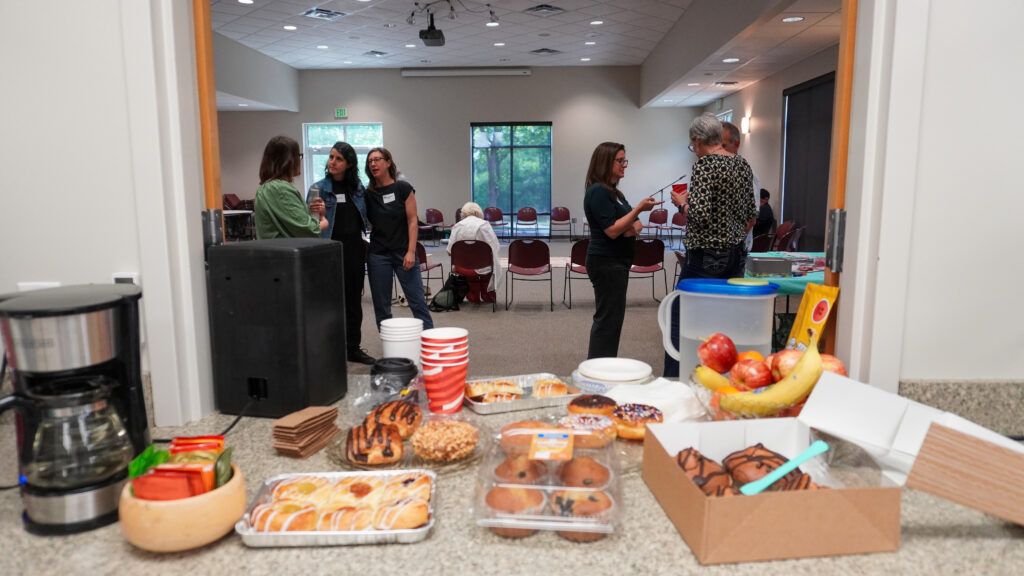
We paused for a meal and enjoyed time for unstructured conversation. When people connect for the first or after long stretches of time apart, this time together can be as important as any activity.

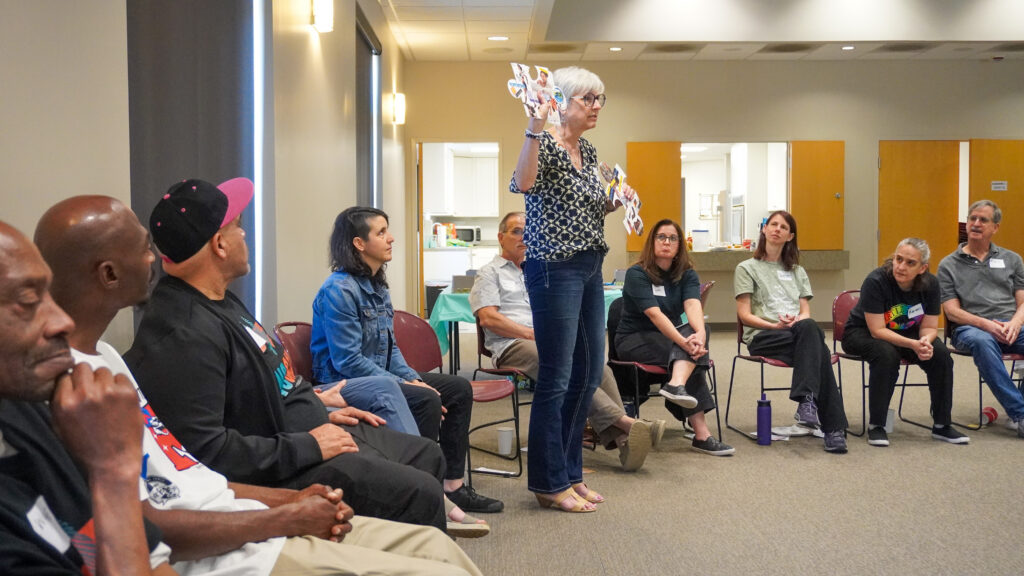
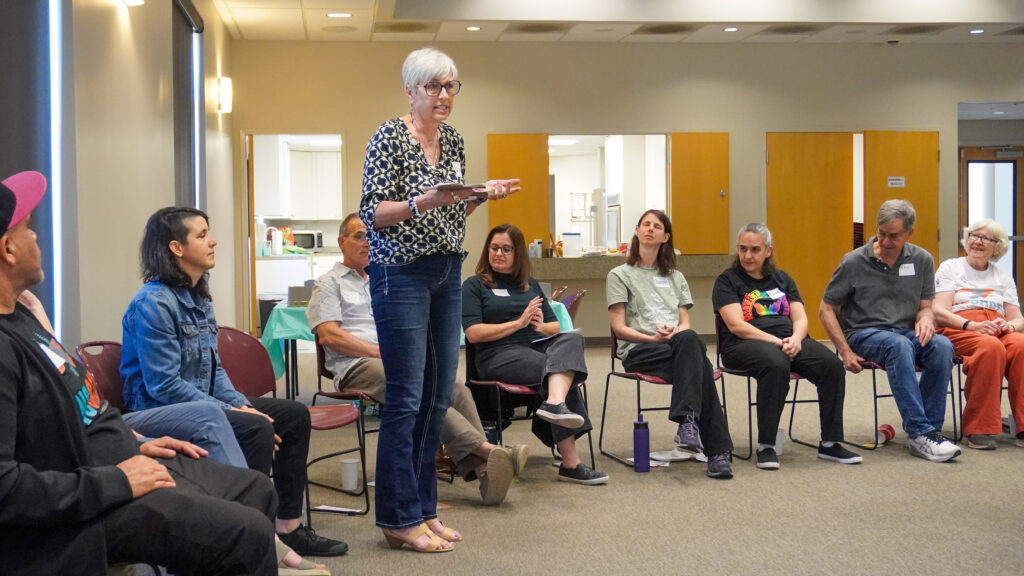
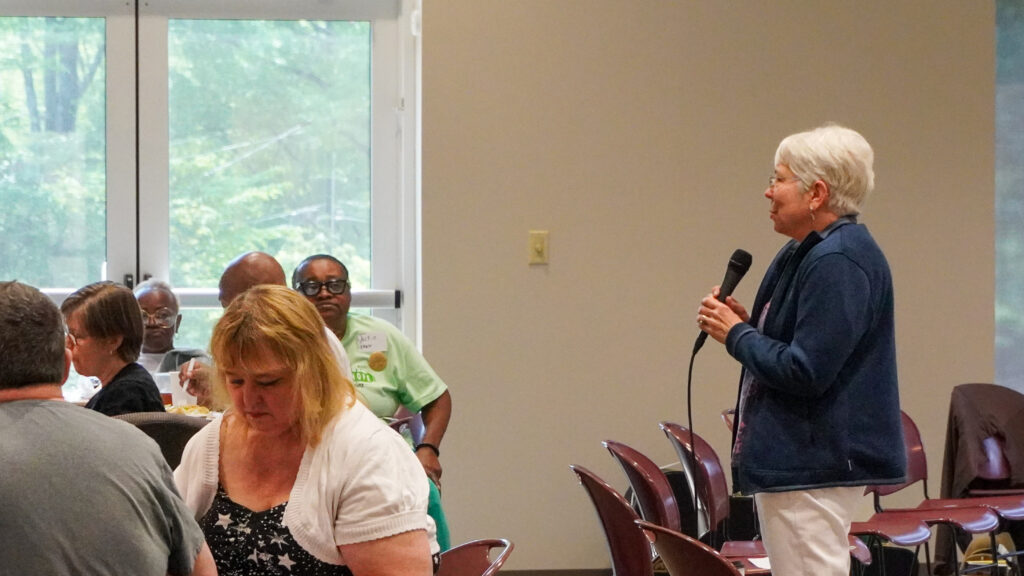
After lunch, the group returned to the Circle to read their statements aloud and share the meaning behind their collage. Many spoke about love, justice, grief, and the ongoing effort to remain connected in the face of harm. Grief, folks shared, isolates. Community, on the other hand, interrupts that isolation.

As each person finished speaking, they placed their puzzle piece at the center of the circle.

An uneven mosaic formed. Each piece reflected a unique life and story, but alongside other collaged puzzle pieces, they showed how loss and connection intersect. Meaning shifts when it is placed in relation to others.
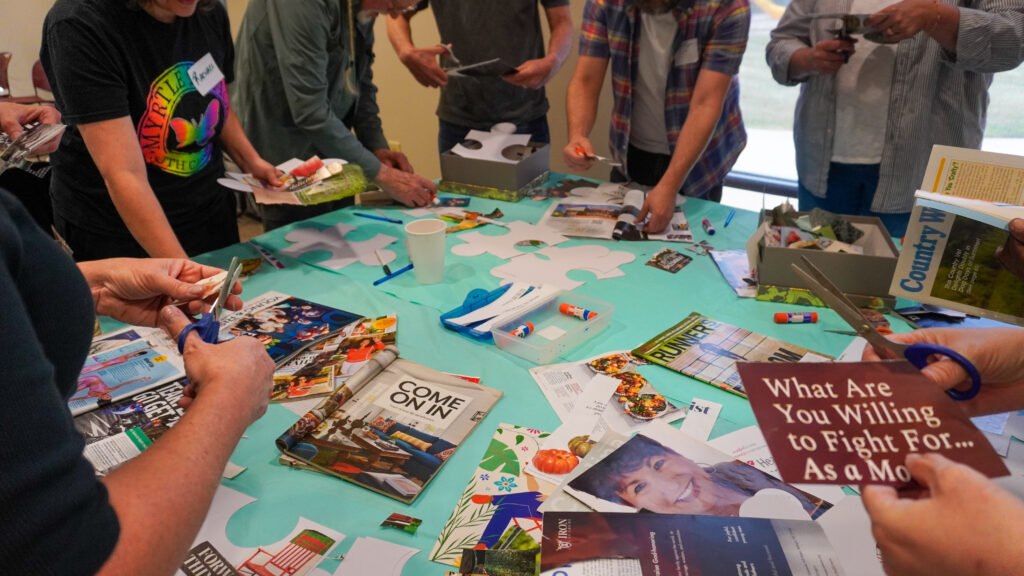
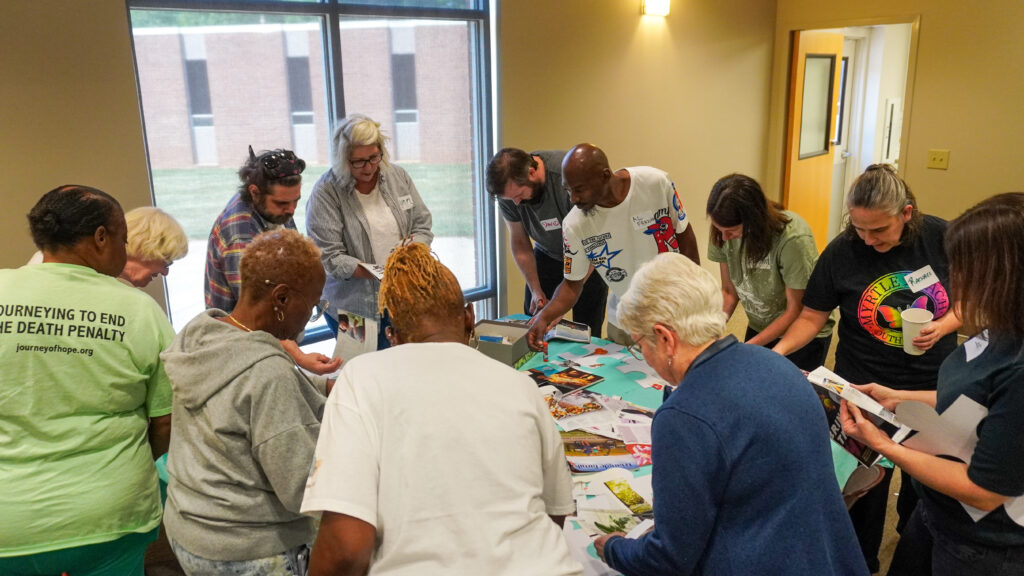
Individual collages became a tapestry for collective experience.

A Different Approach

The gathering offered a clear contrast to the framework underpinning the death penalty.

The state continues to invest significant resources in capital punishment, often justified as a measure that delivers safety or closure. Participants challenged that premise through lived experience. Many have spent years navigating the legal system, witnessing how it addresses harm and how it falls short.

Returning to the Circle offered a different approach. Restorative justice centers those most affected by harm and prioritizes accountability and healing. Throughout the day, participants practiced these principles directly. They listened without interruption. They spoke about loss and responsibility. They engaged one another with the understanding that harm cannot be addressed through isolation or retribution alone.

Reflecting on the power of the day, one participant shared that its potency came from “a sense of community of people on both sides, knowing that we still are one.” What more is there to say?

Closing in Reflection

The afternoon concluded with music and group reflection. In one word, folks named what they were taking with them: gratitude, joy, peace, hope, resilience, community.

For those who stayed, a final Circle extended the work. This session, led by Lynda Simmons and filmed as part of an upcoming documentary, focused on identifying and honoring each person’s sense of inner light. Participants reflected on moments when they feel most connected to that sense of self, then created lanterns as a visual expression of that.

We dimmed the lights as everyone raised their lanterns. Light spread across the dark room.

Sustaining the Work

In addition to the leadership of Leah, Lynda, Noel, and Jodi, volunteers made Returning to the Circle possible. Special thanks to the NCCADP Survivor Family Engagement Group, who have envisioned this day for over a year. 

Thanks also to Rev. Nathan Parrish and Peace Haven Baptist Church, who offered a welcoming space for our gathering, and to the Hartgrove family, who graciously provided a delicious home-cooked dinner.

The gathering was funded by the Unitarian Universalist Fund for a Just Society, an investment in community-based approaches to justice.

For NCCADP, this work is central. Ending the death penalty requires policy change. It also requires a shift in how people understand and live out justice. That will only ever be possible through the leadership of those most proximate to injustice.

On April 25 in Winston-Salem, this community chose – and made real – a different way forward.
Filed Under: Abolition, Blog, Stories Tagged With: Abolition, North Carolina Death Penalty, Racial Justice, Restorative Justice, Wrongful Convictions

Footer

Contact

NCCADP Alternate Logo
NCCADP
3326 Durham-Chapel Hill Blvd.
Building D, Suite 201
Durham, NC 27707
noel@nccadp.org
919-404-7409

Follow Us on Instagram

You're invited! We hope you'll join us on June 23 You're invited! We hope you'll join us on June 23 for a webinar featuring some of the top experts who have helped shape North Carolina's death penalty landscape over the past 2 decades.

For nearly 20 years, North Carolina has paused executions while courts, impacted families, and communities across the state have continued grappling with the realities of the death penalty system. What have these two decades revealed?

Featured speakers:
• Henderson Hill, Co-Director of RedressNC, civil rights and capital defense attorney
• Rep. Vernetta Alston, North Carolina Representative and former capital defense attorney
•  Alfred Rivera, North Carolina death row exoneree and activist
•  Dr. Seth Kotch, Associate Professor of American Studies at UNC-Chapel Hill, author of Lethal State: A History of the Death Penalty in North Carolina

Moderated by NCCADP Executive Director Noel Nickle.

💻 20 Years With No Executions: What Have We Learned? (Webinar)
📆 Tuesday, June 23, 12–1:15 PM
📍 Zoom
🔗 Register at bit.ly/nccadpwebinar or at the link in our bio

#NoMoreDeathRow #EndTheDeathPenalty #NorthCarolina #20YearsWithoutExecutions #20thAnniversary #FYP
We're delighted to share that Melissa Boughton (@m We're delighted to share that Melissa Boughton (@melbough) has stepped into a new role as Board Co-Chair of NCCADP, serving alongside Erica Washington (@erica_webber_).

Melissa brings a wealth of experience in communications and advocacy to this role. She currently serves as Communications Director at Southern Coalition for Social Justice and previously led communications at the Wilson Center for Science and Justice at Duke Law School. Before that, she spent more than a decade as a journalist covering courts, criminal legal issues, and some of the most consequential justice stories of our time.

Melissa has long been a valued leader within NCCADP. We're excited for this next chapter of her leadership and grateful for all she contributes to our movement.

We're equally thankful for Erica Washington's longstanding service as board Co-Chair!

As we welcome Melissa into this role, we also extend our deepest thanks to Jennifer Marsh for her years of service as Board Co-Chair. Jennifer's leadership has helped strengthen NCCADP and our movement in countless ways. We are grateful that she will continue serving on the board as Secretary through the end of the year.

Please join us in congratulating Melissa and thanking Jennifer for her leadership!

Photo 1: Melissa Boughton
Photo 2: Erica Washington
Photo 3: Jennifer Marsh

Learn more about our board members at https://nccadp.org/leadership/
📢 NEW COALITION PARTNERS 📢 Please join us in warm 📢 NEW COALITION PARTNERS 📢

Please join us in warmly welcoming NC NAACP (@ncnaacp1) and Deep Time (@deeptimeavl) to NCCADP!

During our spring coalition call, members unanimously voted both new partners into our movement. We're delighted to share that our coalition has now grown to 27 organizations.

The North Carolina State Conference of the NAACP works to “achieve equity, political rights, and social inclusion by advancing policies and practices that expand human and civil rights, eliminate discrimination, and accelerate the well-being, education, and economic security of Black people and all persons of color.” Their longstanding leadership in civil rights advocacy strengthens our shared work to challenge systems of injustice and build a more equitable future.

Deep Time is an Asheville-based coffee roaster and community space “celebrating, employing, and creating spiritual community with people impacted by incarceration.” Their work reflects the transformative possibilities of community-rooted reentry support.

Give these amazing organizations a follow if you haven't already!
Follow on Instagram

Stay Connected

  • Facebook
  • Instagram
  • Twitter

Copyright © 2026 · NC Coalition for Alternatives to the Death Penalty · All Rights Reserved · Website by Tomatillo Design