Subscribe to Our Newsletter

This field is for validation purposes and should be left unchanged.
Name(Required)
Email(Required)
Address(Required)
Check all that apply:

  • Skip to main content
  • Skip to footer

NC Coalition for Alternatives to the Death Penalty

Committed to ending the death penalty and creating a new vision of justice

  • Who We Are
    • Mission & History
    • Our Values
    • People Most Proximate
    • Coalition Members
    • Staff, Board, & Advisory Council
    • Our Funders
  • What We Do
    • Commutations Campaign
  • Why End the Death Penalty?
    • Column 1
      • Racism
      • Innocence
      • Intellectual Disability & Mental Illness
    • Column 2
      • Public Safety
      • High Cost of Death
      • Waning Support
    • Column 3
      • Lethal Injection
      • Antiquated Sentences
      • Unfair Trials
  • Events
  • 20 Years With No Executions
  • Blog
  • The Pledge
  • Get Involved
  • Donate

Search NC Coalition for Alternatives to the Death Penalty

Why end the death penalty?

The death penalty does not keep us safe

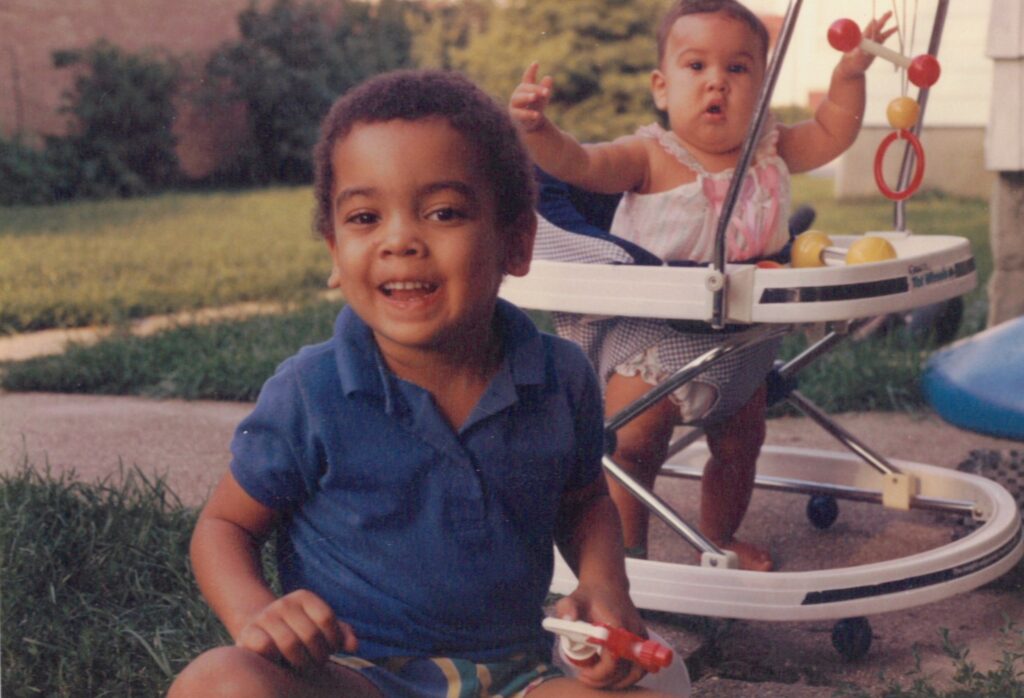
Andre Smith lost his son Daniel, pictured with his sister, to murder. Andre says the death penalty does nothing to heal families or change the societal forces that lead to violence.

If we want to prevent violence, we should focus on restorative justice and ending racism, poverty, and child abuse — not an inhumane punishment that creates more grieving families and traumatized children.

Any response to crime, but especially the extreme punishment of death, should be rooted in evidence-based strategies to make society safer. However, more than three decades of studies on deterrence and the death penalty show no link between murder rates and capital punishment.

The 23 U.S. states that have abolished the death penalty do not have higher murder rates than those that carry out executions, nor do countries that eschew the death penalty. In North Carolina, the death penalty is still on the books but executions stopped 2006. Yet, the murder rate showed no corresponding uptick. 

Our close work with death-sentenced people, as well as families who have lost loved ones to violence, confirms that there are more effective ways to prevent murder. The vast majority of those on death row committed unplanned crimes arising out of mental illness, poverty, substance abuse, and trauma. Societal efforts to remedy those problems, along with the racial inequities that underlie them, would have a far greater impact on public safety. Many surviving family members also say the death penalty fails to bring them healing, and they ask that the state not kill in the names of their loved ones. Practices like restorative justice are designed to address harm and bring healing, rather than focusing on retribution.

We must end the inhumane death penalty because it serves only to perpetuate violence and suffering.

Right now in North Carolina:

  • Studies that claim to show a link between the death penalty and crime deterrence, which have been touted by some NC politicians, have since been debunked.
  • In a survey, police chiefs from across the country ranked the death penalty at the bottom of a list of effective crime-fighting tools. 
  • A 2018 study found that nations that abolish the death penalty tend to see their murder rates decline.

Stories

Case File: Jean Parks

She lost her sister to murder, and learned that the death penalty only creates more grieving families

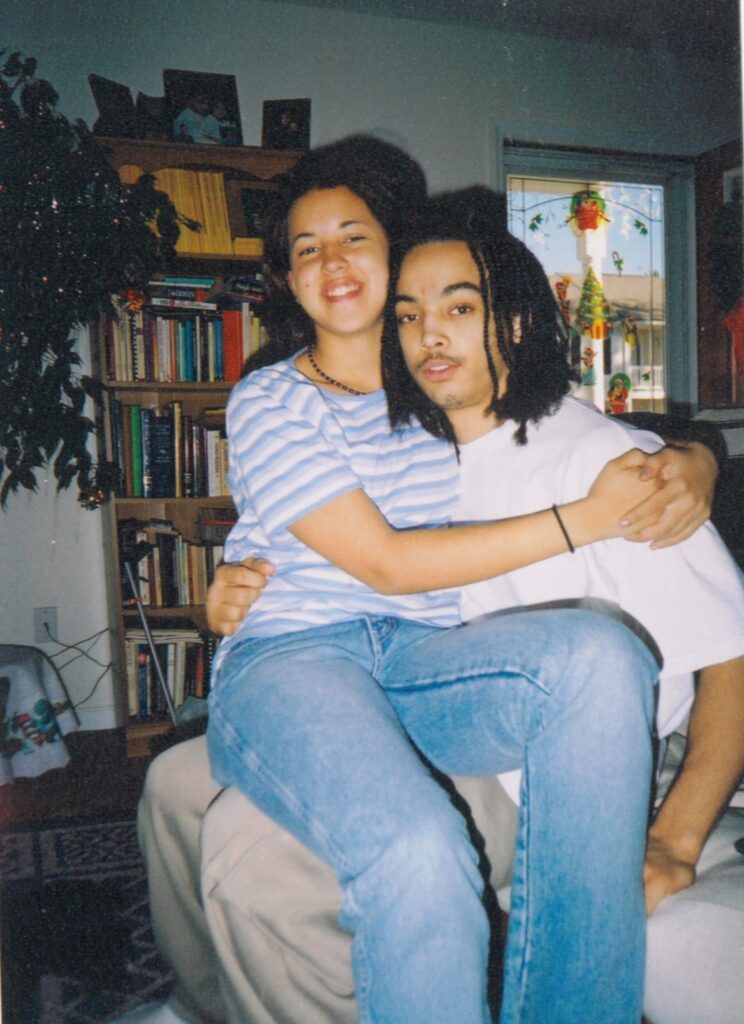
“I immediately began imagining what it would be like to have a loved one about to be executed by the state, knowing there wasn’t a damn thing I could do about it. The feelings I imagined were so similar to what my family experienced after Betsy was killed: grief, rage, helplessness.”
Learn More
Case File: Andre Smith

After his son was killed, he recommitted to helping men in prison transform their anger

“We erroneously think that if we take this guy’s life, then I have closure, and society has closure. But it doesn’t stop the killing. Yeah, that guy won’t kill again because he’s dead, right? But there will be someone else.”
Learn More
Last Updated: February 17, 2022

Footer

Contact

NCCADP Alternate Logo
NCCADP
3326 Durham-Chapel Hill Blvd.
Building D, Suite 201
Durham, NC 27707
[email protected]
919-404-7409

Follow Us on Instagram

During last week's coalition meeting, we reflected During last week's coalition meeting, we reflected on 2026 and took a look back 
on the events, milestones, and people who made this year so meaningful. 

Thank you to everyone who continues to stand with us as we work toward a North Carolina without the death penalty.

Here's to continuing the work in 2027! 🧡
Please join us in welcoming Laura Webb as the newe Please join us in welcoming Laura Webb as the newest member of NCCADP’s Board of Directors! 🧡💙

Laura brings years of experience advocating for second chances, fair opportunities, and criminal justice reform. We’re excited to have her join us as she begins her term in January 2027!

Welcome, Laura! 🎉
Please join us in welcoming our newest member orga Please join us in welcoming our newest member organizations: DurhamCares, Second Chance Federation, and Eno Friends Meeting of Hillsborough! 🧡💙

We’re excited to have these organizations join our coalition as we continue working toward a North Carolina without the death penalty!
Follow on Instagram

Stay Connected

  • Facebook
  • Instagram
  • Twitter

Copyright © 2026 · NC Coalition for Alternatives to the Death Penalty · All Rights Reserved · Website by Tomatillo Design