Juneteenth focuses our attention and joy on Black and Brown people and calls on everyone to embrace the wisdom of people most affected by systemic injustice. If you’re asking yourself what Juneteenth has to do with ending the death penalty here in North Carolina, this essay is for you. After all, “injustice anywhere is a threat to justice everywhere.”
What is Juneteenth?
On a summer evening in 1865, two and a half years after the Emancipation Proclamation had been signed, Union troops arrived in Galveston, Texas, to enforce what should have already been law: the end of slavery in the United States. This day – June 19th, now celebrated as Juneteenth – is a celebration of freedom and also an indictment of delayed justice. And it is that delay, that chasm between law and reality, between freedom declared and freedom lived, that still upholds the American legal system. Especially in North Carolina. Especially on death row.
Freedom deferred is freedom denied, and today reminds us that words alone are not enough to achieve liberation for all. It takes action, specifically from those of us whose ancestors looked like (or were) both the enslaver and the soldier on June 19th, 1865. So, on this day and beyond, we celebrate the radical joy of emancipated Black and Brown people while reminding ourselves that a single day, a single proclamation, does not mean that slavery in practice was ended for all. This is another place where the racist roots of the death penalty grow deep. Even now, in 2026 – 161 years after that first Juneteenth –, enslavement is still a legal, growing, and profitable industry, especially here in North Carolina.
Juneteenth and the 13th Amendment
On December 4, 1865, North Carolina ratified the 13th Amendment to the US Constitution, abolishing slavery “except as a punishment for crime.” That exception clause built a legal bridge between the plantation and the prison. And North Carolina, like so many other states, sprinted across it.
The very next year, North Carolina and most other southern enslaver states passed the Black Codes, a set of laws that, by and large, adapted the language of slave laws to appear more race-neutral while leaving their enforcement open to the interpretation of white police, judges, juries, attorneys, and vigilante lynching mobs. These laws criminalized Black existence. You could be arrested for standing still too long. For quitting a job. For not having a job. For speaking your mind. For speaking at all. Many who had just been freed were forced back into bondage – this time under state sanction. In other words, slavery was never really abolished in practice. It was simply rebranded as “law and order.”
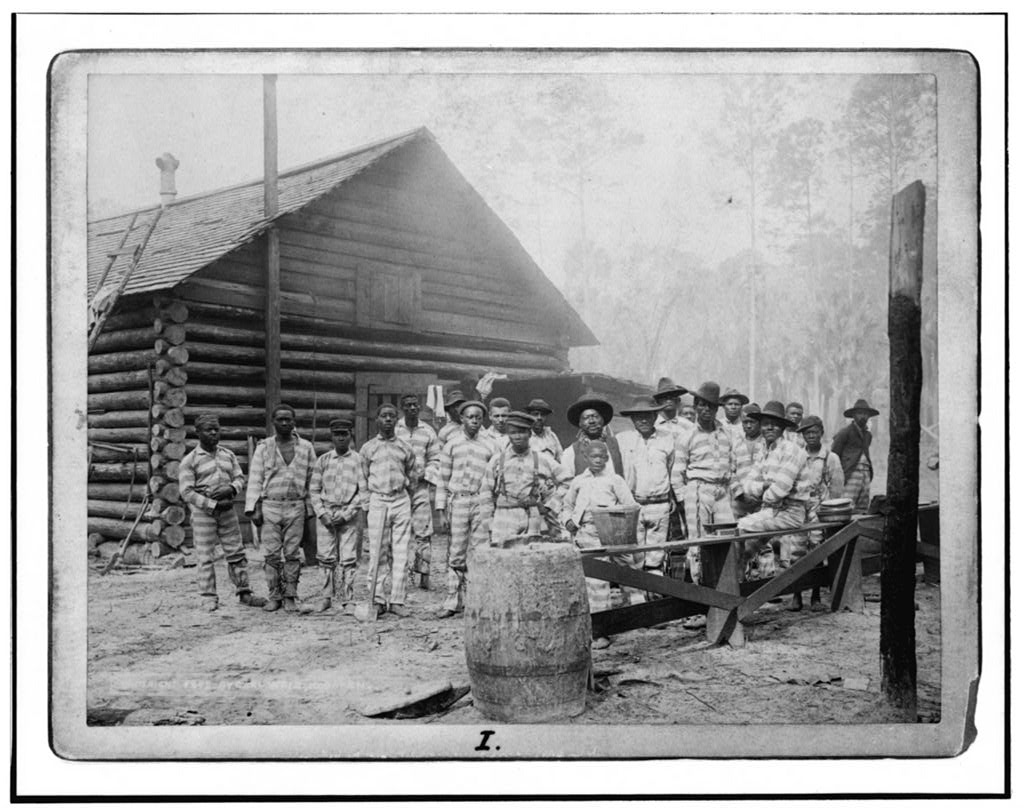
In 1870, North Carolina opened Central Prison, its first state penitentiary. That same year, the state began leasing prisoners, mostly Black men, to railroad companies to build infrastructure for white prosperity. These men – convicted of petty crimes, or of nothing at all – were beaten, starved, worked until their bodies collapsed. They slept in cages. Some lost limbs. Many lost lives.
Then, in 1892, the state leased a plantation in Halifax County: 7,500 acres, once worked by more than 250 enslaved people. Seven years later, North Carolina bought the land outright and called it Caledonia Prison Farm. Imprisoned Black men were forced to work the cotton fields, watched over by armed white guards. The soil was state-owned. The laborers, effectively, were too.
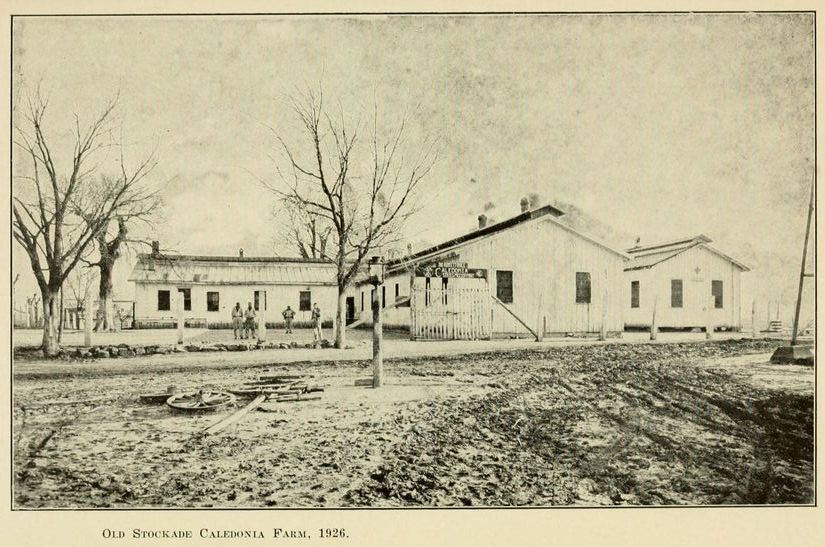
Today, that plantation is still in operation. Caledonia is one of North Carolina’s largest state-run prison farms, now known as the Roanoke River Correctional Institution. A cannery onsite churns out half a million gallons of food each year, feeding a system that cannot be sated.
The men who work these fields are paid pennies. Thirty-six cents an hour. Two dollars and eighty-eight cents for a full day under the sun and under surveillance.
The name, crop, and year may have changed, but the framework of exploitation has not. North Carolina’s prison system continues to disproportionately target Black people, exercising slavery-era exploitation and dehumanization of Black bodies and reducing human beings to the labor they perform and the revenue they generate.
Juneteenth, a holiday that commemorates liberation in action, demands that we see this clearly and that we work, we act, we do not stop until freedom becomes a reality in practice.

The Death Penalty
The death penalty, though rarer than incarceration, was designed to enforce the same racial hierarchy. Its purpose was spectacle, fear, and control. Today, over 50% of the people on North Carolina’s death row are Black, in a state where Black residents make up just 22% of the population.
Wake and Forsyth counties have issued the most death sentences in the modern era. These are also counties where racial disparities in arrests, charging decisions, and sentencing remain most acute. The same courthouses that overlooked lynchings now preside over capital trials.
Mass incarceration and the death penalty exist on the same spectrum of disposability. Black people in North Carolina are five times more likely than white people to be incarcerated. In some rural counties, incarceration rates exceed the national average by double or more. Many are locked up pretrial, simply because they cannot pay bail. Families are torn apart; entire communities are surveilled, punished, and forgotten.
Juneteenth
Juneteenth is a celebration. It is joyful. It is defiant and sacred. But it is also a mirror.
It reflects the promises of freedom and the failures to deliver it. It asks us to honor the past and to examine how the past still lives in our laws, our prisons, our executions.
It is right to celebrate Juneteenth.
But we must also mourn what freedom has not yet reached, recognizing that the work of liberation remains unfinished. Ending the death penalty and systems of mass incarceration in North Carolina is part of that unfinished work; it is a matter of human dignity, racial justice, and historical responsibility. The same state that once executed people by lynching now preserves the right to do so by lethal injection. The rituals have changed; the violence has not.
To end capital punishment is to reject a system built on the myth that death can be justice. It is to challenge the structures that have always devalued Black life. It is to proclaim that every person, regardless of what they have done or been accused of, is worthy of humanity.
This Juneteenth, we remember the long road from Galveston to Greensboro, from Caledonia Prison Farm to Central Prison. We honor the ancestors who resisted. We celebrate the communities who continue. And we commit, again, to the work of making freedom more than a rumor that arrives too late.
Let North Carolina be a place where justice is not delayed, not denied, not buried beneath red tape and razor wire. Let it be a place where we do more than remember. Let it be a place where we act.