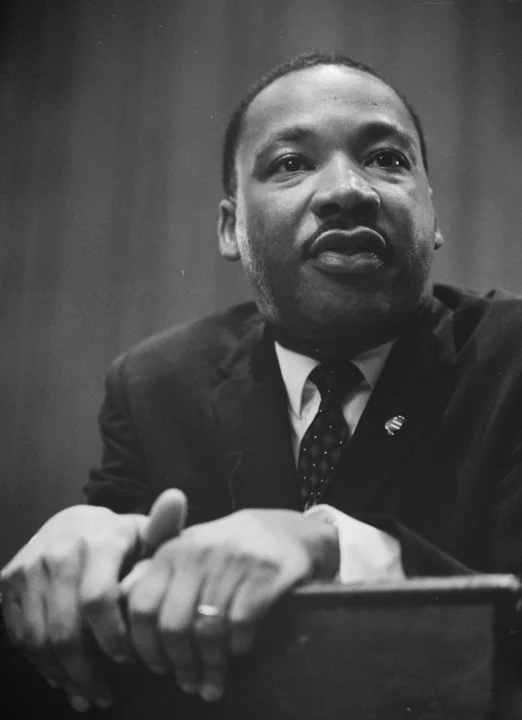
Each year on Martin Luther King Jr. Day, we honor a life devoted to justice, equality, and the transformative power of nonviolent action. While Dr. King is most often remembered […]
NC Coalition for Alternatives to the Death Penalty
Committed to ending the death penalty and creating a new vision of justice

· Liv Perkins-Davenport

· Kristin Collins

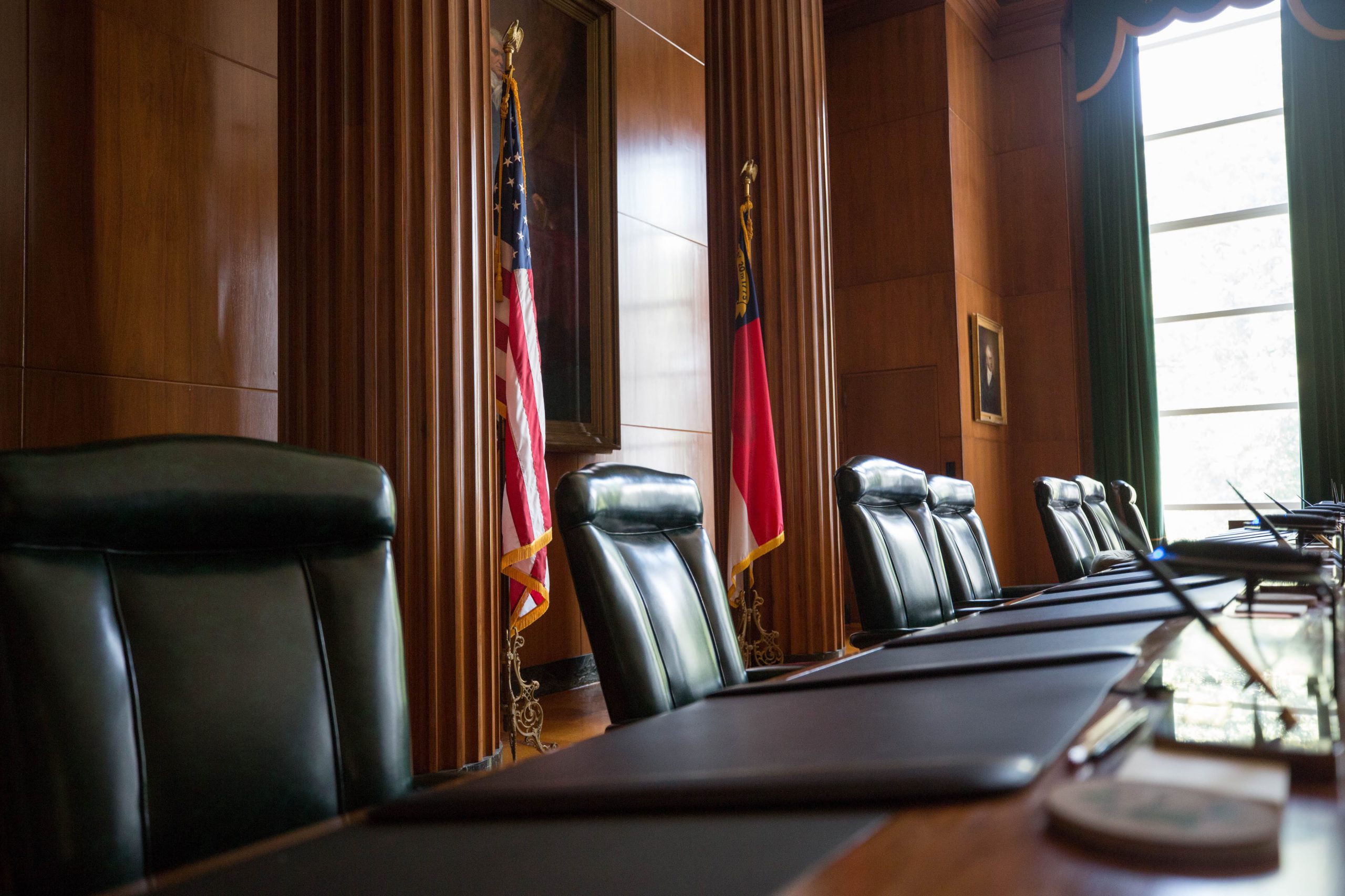
A man who has spent nearly 30 years on death row finally had a chance to present evidence that Black jurors were illegally excluded from his trial. Frank Chambers, a Black man, was sent to death row in 1994 by a Rowan County jury that included only a single non-white member. The evidence of discrimination was so extensive that the hearing took an entire week.

· Kristin Collins

Russell Tucker was a Black man facing the death penalty in the South in the “tough-on-crime” 1990s. He deserved the chance to be tried by a jury of his peers. However, a Forsyth County prosecutor came up with reason after reason why Black people could not remain on the jury. On Feb. 8, Mr. Tucker’s attorneys will present evidence to the NC Supreme Court that jurors were illegally excluded because of their race.

· Kristin Collins

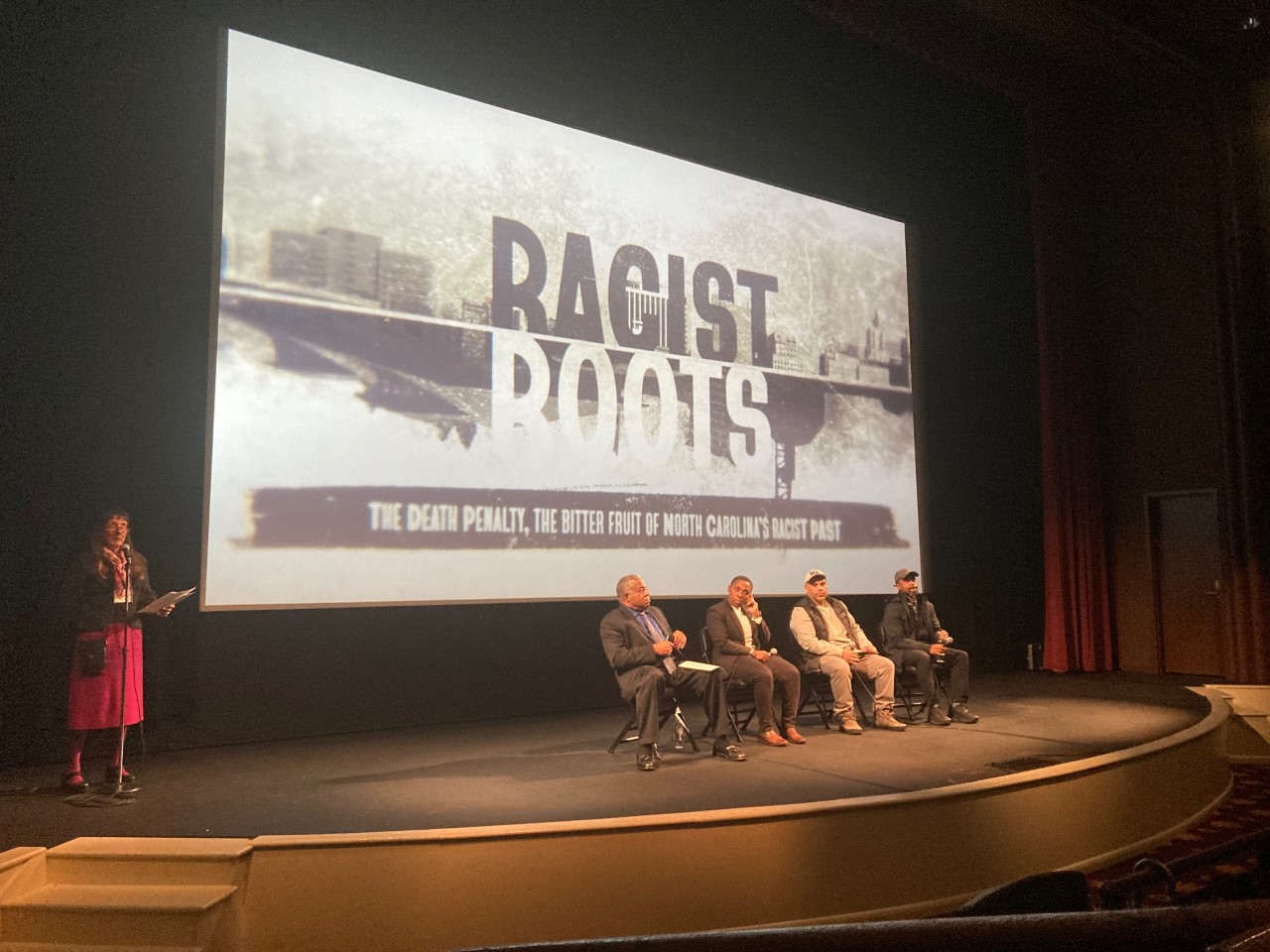
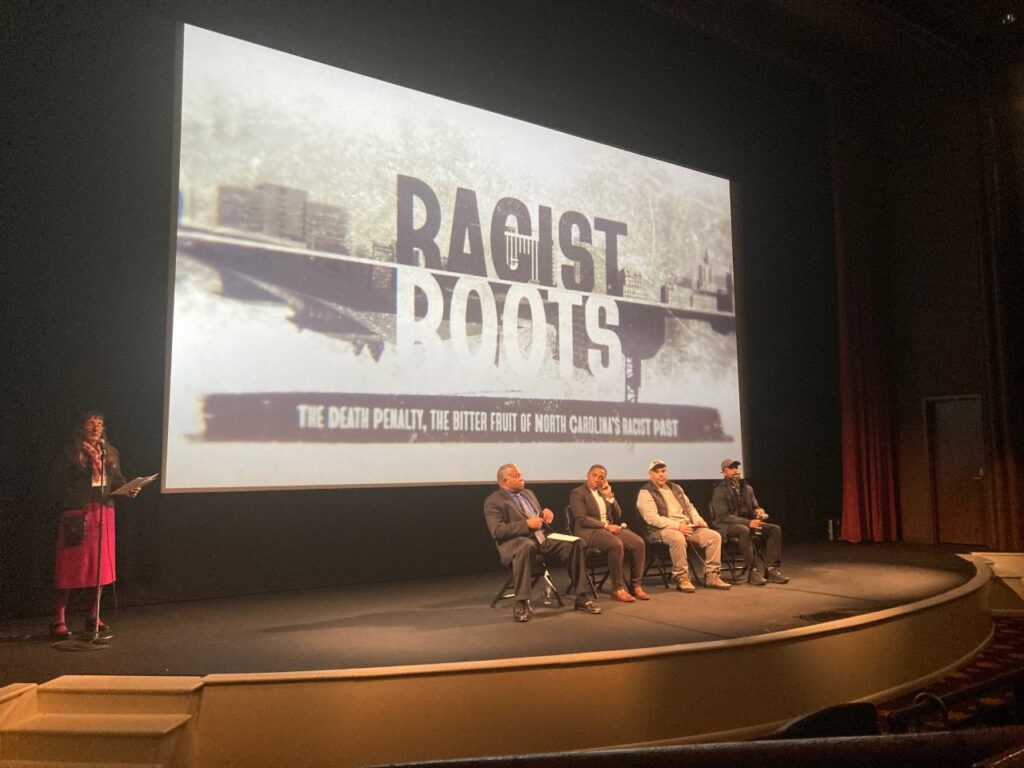
You may think that watching a video doesn’t make a difference in the world. But we’re here to tell you that it does. At more than two dozen screenings, we’ve seen this film’s power to educate and move people to action. It’s a key part of our work to organize a public movement to end the North Carolina death penalty. If it spreads far and wide, it will lead to change.

· Kristin Collins

· Kristin Collins

· Kristin Collins

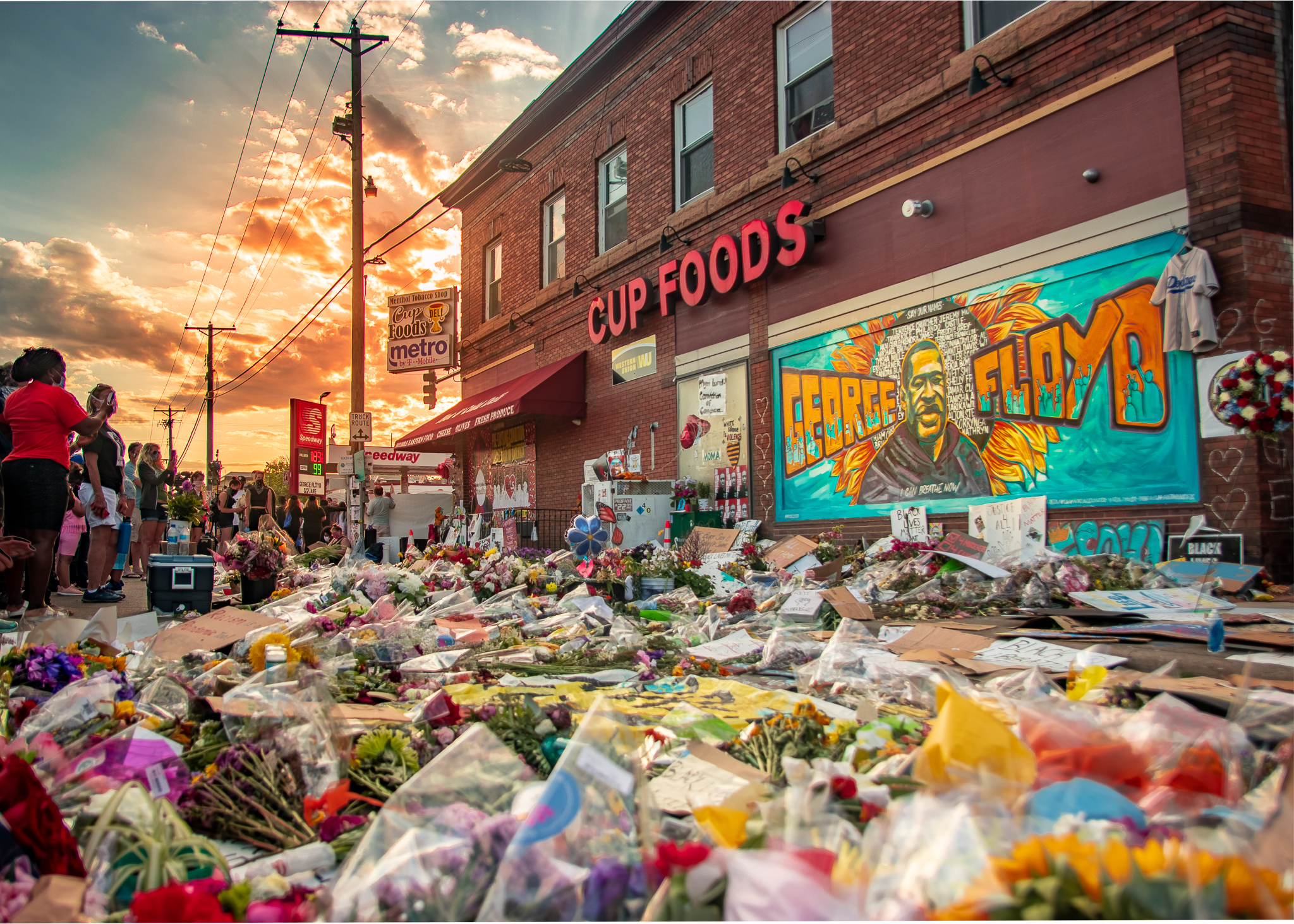
No one should have been on the edge of their seat about the verdict in Derek Chauvin’s trial. He was caught on video kneeling on George Floyd’s neck for more than nine minutes as Floyd begged for his life. But this is America, where police are almost never held accountable, so we held our breath and prepared for Chauvin to be acquitted. But in this rare case, a jury of six white, four Black and two multiracial people provided a measure of justice, finding Chauvin guilty of murder. Surely, the jury’s diverse makeup helped it reach this much-needed verdict. Yet, it’s exactly this kind of diversity that prosecutors often work to avoid. They strike Black citizens from juries at far higher rates than whites. Then, when they’re accused of violating the law prohibiting racist jury strikes, they offer the flimsiest possible defenses. And no matter how implausible their excuses are, they almost always get away with it.

· Kristin Collins

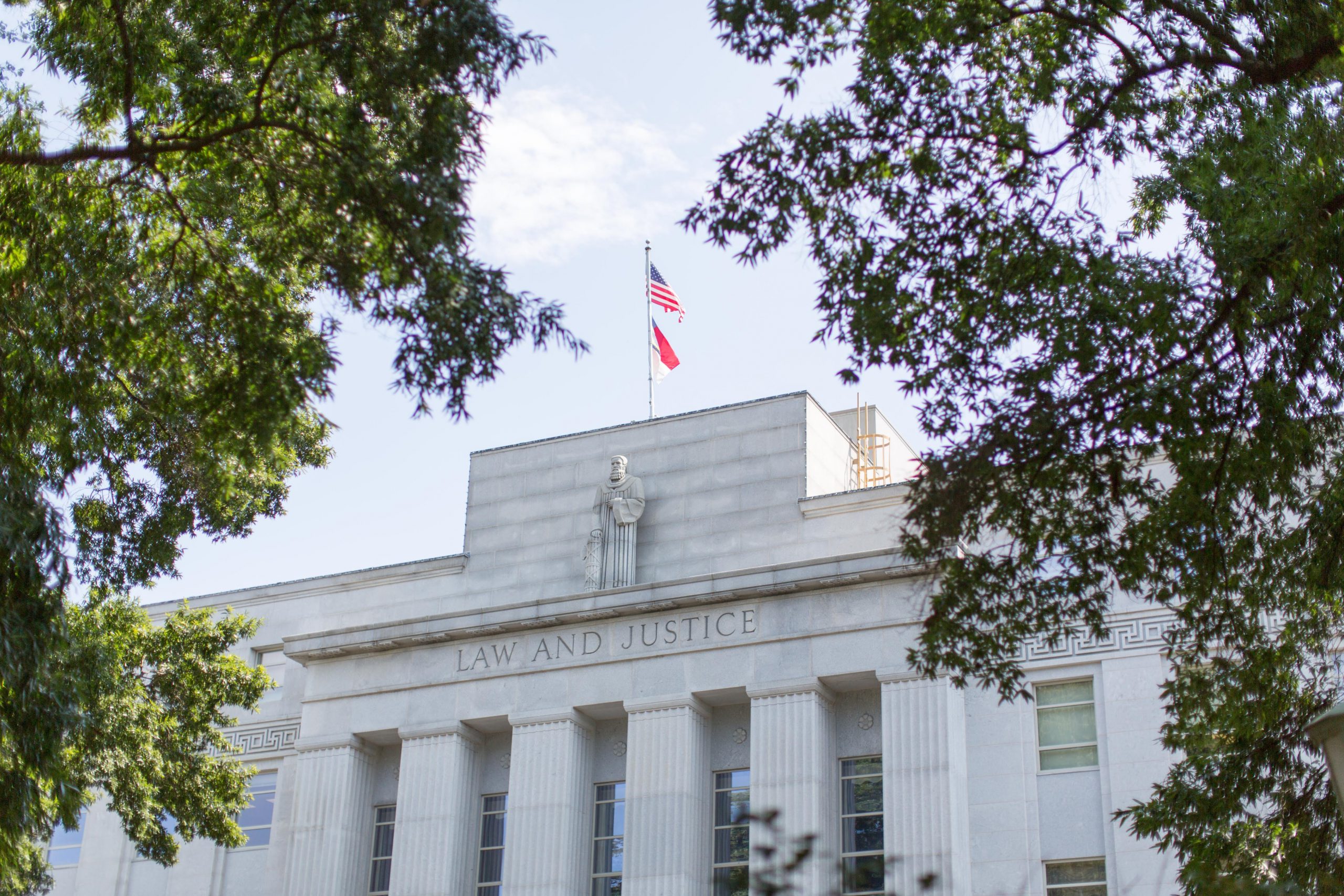
This week, a diverse group of criminal justice leaders announced a campaign to rid North Carolina’s courthouses of Confederate symbols. At least 39 counties have these racist monuments on grounds that should be dedicated to impartial justice. The N.C. Commission on Racial and Ethnic Disparities in the Criminal Justice System says it will create a complete database of all Confederate symbols on courthouse grounds; sponsor events to educate the public on the history of these monuments, most of which were erected in the Jim Crow era as symbols of white supremacy; develop a legislative and legal strategy for monument removal; and serve as a resource for communities seeking to remove them. At NCCADP, we wholeheartedly support this work and see it as closely related to our efforts to abolish the death penalty.

· Emily Baxter

· Emily Baxter

· Kristin Collins

In these days of COVID, it’s easy to be overwhelmed by bad news. But we shouldn’t forget to celebrate good news, and we’ve had a little of that in the past week. On Friday, the North Carolina Supreme Court issued a decision that sends a clear message: North Carolina’s courts must finally begin to take the exclusion of black jurors seriously. The decision says that, when a person on trial suggests that a prosecutor struck a juror because of the juror’s race, the courts must fully investigate. They must consider the history of disproportionate jury strikes in the county, and compare the treatment of white people and people of color in the jury pool to see if it’s been equal. If these sound like no brainers, that’s because they are. This is the least the courts can do to begin to end the decades-long practice of denying people of color a voice in the criminal punishment system.

· Kristin Collins

· Kristin Collins

For generations, North Carolina politicians of both parties have had one thing in common: Almost all of them staunchly supported the death penalty. That’s largely because they believed their voters supported it. But late last month, a statewide poll asked the question: What do North Carolinians think about the death penalty today? The results should make state politicians question their death penalty orthodoxy. After more than a decade without executions and a wave of exonerations of innocent people on death row, voters no longer trust the system to decide who should live and die.

· Kristin Collins

Last week, Washington became the 20th state to end the death penalty after its Supreme Court ruled that capital punishment is arbitrary and racially biased. If those are reasons to outlaw the death penalty, then it is surely time for the North Carolina death penalty to go. If anything, the death penalty in NC is more racist, more arbitrary, and threatens the lives of far more people.

· Kristin Collins

Last week, the Supreme Court halted the execution of Keith Tharpe in Georgia because of a juror’s admission that he voted for death because he believed Tharpe was a “n—-r.” It might be tempting to believe this case was just an anomaly. But Keith Tharpe is far from the only defendant to be sentenced to death by a deeply racist juror.

· Kristin Collins

A man who spent nearly 20 years on death row was recently re-sentenced to life in prison without parole. It was a sane resolution to a senseless and much-regretted crime committed by a deeply troubled teenager. Phillip Davis was re-sentenced with the full of support Buncombe County District Attorney Todd Williams. If only more North Carolina district attorneys would consider resolving decades-old cases with evidence of prosecutorial misconduct.